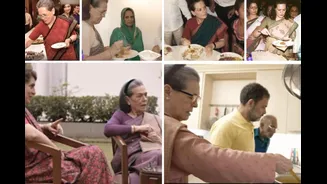

For many, the aroma of a specific dish is enough to transport them back in time. It's a universal language of memory and belonging. In a rare personal moment, Sonia Gandhi shared one such memory, pulling back the curtain on her family's festive traditions.
A Diwali Memory Rekindled
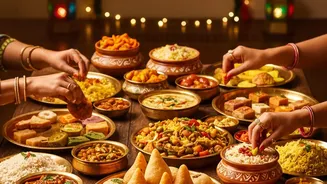
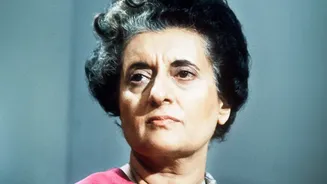
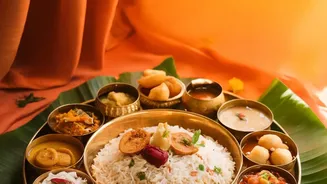
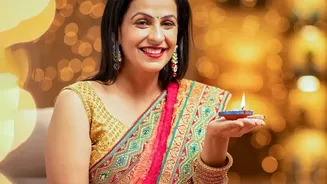
In a recent video conversation with her daughter Priyanka Gandhi Vadra and granddaughter Miraya, Sonia Gandhi revisited fond memories of Diwali celebrations at 1, Safdarjung Road, the former residence of her mother-in-law, Indira Gandhi. Amidst recollections of lighting diyas around the garden and pond, she shared a detail that spoke volumes about the family's enduring traditions. "On festivals, we always used to have Kashmiri food and that sweet rice, like that, which we still make, by the way," she recalled. This small but significant detail highlights how, for the Gandhis, festive occasions were deeply intertwined with their cultural and culinary heritage, a practice that continues to this day.
A Taste of the Valley
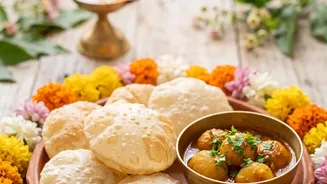
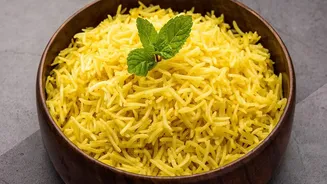
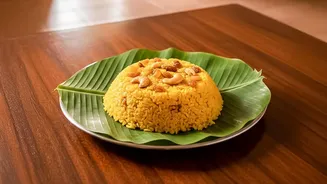
The family's preference for Kashmiri food has deep roots, stemming from the Nehru family's heritage as Kashmiri Pandits. This connection was a prominent feature on Indira Gandhi's dining table, especially during festivals. While Sonia Gandhi didn't name the specific 'sweet rice', it is likely Modur Pulav, a traditional Kashmiri festive dish. Known for its fragrant, saffron-infused rice, it gets its richness from ghee and its delicate sweetness from a touch of sugar, balanced with spices like cardamom and cinnamon. A generous garnish of fried nuts and raisins completes this celebratory dish, making it a feast for the senses. Her fondness extends to other Kashmiri staples as well, including dishes like kofta and the leafy green preparation, haak.
An Evolving Palate
Her appreciation for India's diverse cuisine was a journey in itself. In excerpts from her memoir, 'Belonging: A Journey of Love', and related interviews, she has been candid about her initial struggles. She once disliked the smell of Indian spices so much she would hold her breath walking past certain restaurants in Cambridge. Her first taste of tandoori chicken, an outing with Rajiv Gandhi in London, famously left her mouth 'on fire'. However, what began as an overwhelming experience gradually transformed into love. She now counts kebabs and tandoori chicken among her favourites, alongside a surprising appreciation for Bengali and even Gujarati food from Surat.
The Comfort of Daily Rituals
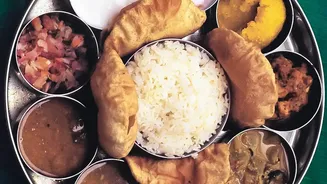
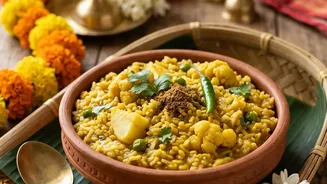
Beyond the elaborate festival spreads, it's the daily food rituals that truly define a sense of home. In the Gandhi household, one humble dish has remained a constant for decades. "So in our house from the day I came to this house till today, the only dal cooked is arhar ki dal. No other dal," she revealed. This unwavering loyalty to a simple lentil dish speaks volumes about routine, comfort, and the creation of new family traditions. Having once been 'scared' by the spice, she now says that 'dal chawal is the taste of home', a dish she cannot go a day without. This evolution from a wary newcomer to someone who finds ultimate comfort in India's most basic meal is a powerful narrative of belonging.