






The Surprising Culprit in Your Breakfast
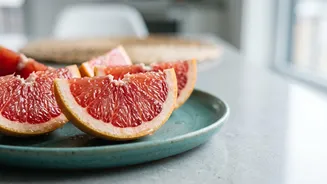
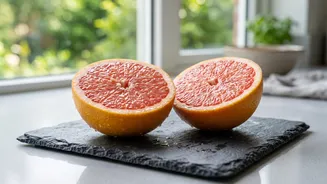
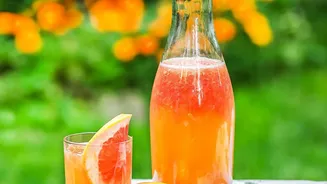
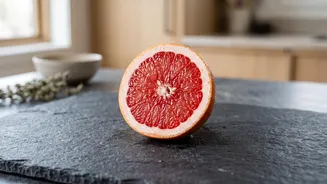
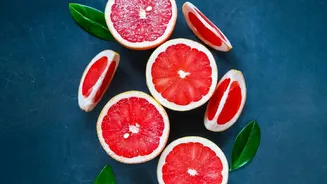
Grapefruit is often celebrated for its health benefits, packed with vitamin C and potassium. However, for people taking certain common medications, it holds a hidden risk. This isn't limited to the whole fruit; it includes grapefruit juice, supplements,
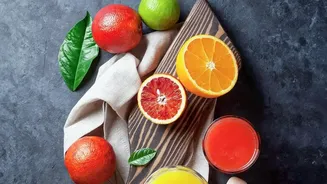
and even certain sodas. The core of the issue lies in chemical compounds within grapefruit called furanocoumarins. These natural substances are also found in other, less common citrus fruits, such as Seville oranges (often used in marmalade), pomelos, and tangelos, all of which can cause similar problems.
How Juice Interferes With Your Medication
When you take a pill, your body uses enzymes to break it down and process it. A crucial enzyme found in your intestines and liver, called CYP3A4, is responsible for metabolizing a large percentage of medications. The furanocoumarins in grapefruit block this enzyme. When CYP3A4 is inhibited, it can't break down the medication as it normally would. As a result, much more of the drug gets absorbed into your bloodstream, leading to dangerously high levels. This effect is not brief; the enzyme can be blocked for up to 72 hours, meaning you can't simply space out your medication and juice intake to avoid the interaction.
Which Heart Medications Are at Risk?
Many medications prescribed for cardiovascular conditions are affected by this interaction. The most notable groups include: - Statins: Certain statins used to lower cholesterol, such as atorvastatin (Lipitor), simvastatin (Zocor), and lovastatin, are particularly vulnerable. The interaction significantly raises the concentration of these drugs in the blood. However, other statins like rosuvastatin (Crestor) and pravastatin are generally considered safe as they are metabolized differently. - Calcium Channel Blockers: These drugs, used to treat high blood pressure, like felodipine and nifedipine, can reach much higher levels when taken with grapefruit, increasing the risk of side effects. - Antiarrhythmics: Medications intended to control abnormal heart rhythms, such as amiodarone, can also be impacted, potentially leading to increased toxicity.
The Real-World Health Consequences
When medication levels become too high, it's essentially an overdose, and the side effects can be severe. For patients on affected statins, the risk of serious muscle problems, including a rare condition called rhabdomyolysis, increases. This condition involves the breakdown of muscle tissue and can lead to kidney damage or failure. For those taking blood pressure medications, the interaction can cause an excessive drop in blood pressure, leading to dizziness, flushing, or headaches. With drugs meant to control heart rhythm, like amiodarone, elevated levels can disrupt the heart's electrical signals, the very issue the medication is meant to treat.
Less Common Interactions and How to Stay Safe
While grapefruit is the main offender, it's worth noting that other citrus fruits like Seville oranges (often in marmalade), pomelos, and some limes can also inhibit the same enzyme. Conversely, some juices, including orange and apple juice, can sometimes decrease the absorption of certain drugs, making them less effective. The most important step you can take is to communicate with your healthcare provider. Always read the patient information leaflet that comes with your medication, as it will list any known food interactions. Before starting a new medication, ask your doctor or pharmacist specifically about any foods or drinks you should avoid. If you enjoy grapefruit but are prescribed an interacting drug, ask if a safer alternative, like a different statin, is available.