






What is the NIN AI Bot?
Hyderabad's National Institute of Nutrition (NIN), part of the Indian Council of Medical Research (ICMR), has announced it is developing an AI-powered platform to help people make more informed food choices. The primary goal is to create a one-stop source
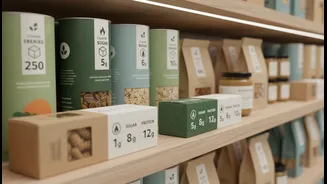
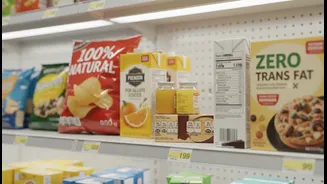
for nutrition information, especially concerning the thousands of pre-packaged food products available in the Indian market. Users will be able to search for a specific product or brand and get a detailed breakdown of its nutritional profile. This initiative comes in response to rising consumption of packaged foods and an increase in non-communicable diseases like diabetes and hypertension. To build its database, NIN has partnered with a Hyderabad-based company that developed the 'TruthIn' app, which has already indexed over 75,000 food products.
The Useful Context: A Tool Built for India
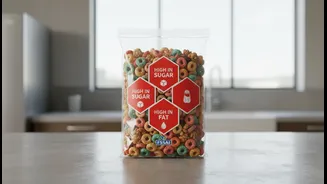
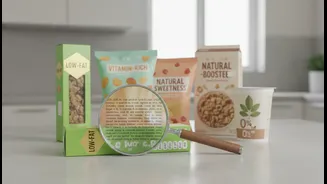
The most significant promise of the NIN bot is its specific focus on the Indian context. Unlike generic international health apps, this tool will be built on a database of Indian food products and backed by data from ICMR-NIN. This means it can provide relevant information on local packaged foods and potentially traditional meals. The platform aims to demystify complex food labels, explaining ingredients often listed with technical terms or INS numbers in simple language. For researchers and policymakers, the aggregated, anonymised data could be invaluable. It will help in analysing nutritional trends, supporting studies on dietary patterns, and generating evidence for future policies like front-of-pack labelling (FOPNL). It could even encourage food manufacturers to reformulate products by showing them how their nutritional profiles compare to others in the market.
The Hype: AI is Not a Nutritionist
Here is where we need to be careful. While AI can process data rapidly, it is not a replacement for a qualified human nutritionist or doctor. An AI bot can tell you the sugar content of a biscuit packet, but it cannot understand your unique health history, your metabolic rate, your allergies, or the complex interplay of factors that determine your overall health. International experts are currently developing safety guides for health-related AI chatbots precisely because these systems can sometimes 'hallucinate' or provide incorrect advice. There are also concerns about data privacy and the potential for biases in algorithms to reinforce health inequalities. The NIN bot will base its information on product labels, which is a great start, but it's a starting point. It is a data retrieval tool, not a diagnostic or prescriptive medical device.
How to Use It Smartly
When the NIN bot launches, the smartest way to approach it will be as an informational guide, not a guru. Use it to quickly compare two brands of breakfast cereal at the supermarket. Use it to understand what an ingredient with a long, chemical-sounding name actually is. This is where its strength lies—in providing accessible, on-the-spot information drawn from a reliable national database. However, for personalised diet plans, managing a health condition like diabetes, or understanding deep-seated nutritional deficiencies, a conversation with a human expert remains essential. Think of the AI as your knowledgeable shopping assistant who can read and interpret labels for you, while your doctor or dietitian remains the chief strategist for your personal health journey.