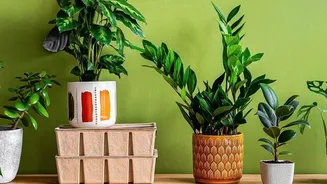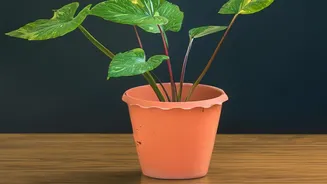




The Myth of the Air-Purifying Plant
The widespread belief that houseplants are natural air purifiers can be traced back to a 1989 NASA study. In a search for ways to clean the air on sealed space stations, researchers found that common indoor plants could remove volatile organic compounds
(VOCs) like formaldehyde and benzene from small, sealed chambers. The results were compelling, and soon, lists of 'air-purifying' plants like the Snake Plant and Peace Lily became common knowledge for any aspiring plant parent. The problem, as recent research highlights, is that our homes and offices are nothing like a sealed laboratory chamber.
A Reality Check on Clean Air
Modern studies have put the NASA findings into a real-world context, and the results are sobering for those hoping to scrub their air with greenery. Research from Drexel University and other institutions concluded that in a typical room with normal ventilation—from an open window or an HVAC system—the air is exchanged far more quickly than a plant can filter it. To actually match the air-cleaning rate of a building's ventilation system, you would need an impossibly large number of plants. Estimates suggest it would take anywhere from 10 to 1,000 plants per square metre of floor space to make a significant difference. For the average home, that means turning your living room into a dense jungle, which simply isn't practical.
The Real, Proven Benefits for Your Well-Being
This doesn't mean you should give up on your green friends. The most significant benefits of having indoor plants are psychological. Multiple studies have shown that interacting with and even just being around plants can reduce stress and anxiety. A 2015 study found that active interaction with indoor plants—like touching and caring for them—can lower physiological and psychological stress by suppressing nervous system activity and reducing blood pressure. People reported feeling more comfortable, soothed, and natural after working with plants. This connection to nature helps us de-stress and can even improve focus and mood, making plants a valuable addition to any room where you spend a lot of time.
Beyond the Psyche: Aesthetics and Humidity
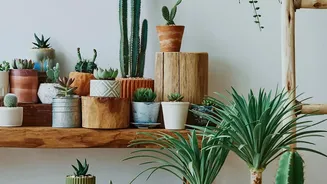
Even without being powerful air purifiers, plants bring undeniable aesthetic value, brightening our homes and adding a touch of life to sterile spaces. They connect us to nature, which is a joy in itself. Furthermore, plants do have a modest, measurable effect on their immediate environment. Through a process called transpiration, they release water vapour, which can slightly increase the humidity in a dry room. While they may only remove VOCs at a very slow rate, the overall positive impact on mental health and environment remains significant. Some studies also suggest the microorganisms in the soil can contribute to a healthier indoor microbiome and may even have anti-depressive effects.
Choosing Plants for Joy, Not Just a Job
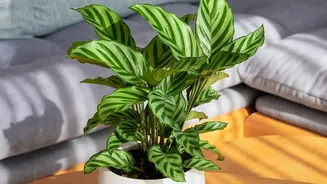
So, what's the takeaway for plant lovers? Shift your focus from function to enjoyment. Instead of buying a Spider Plant solely to fight formaldehyde, choose it because you love its sprawling, wild look. Pick a Peace Lily for its elegant white blooms, not its unproven ability to scrub ammonia from the air in a typical home setting. The best reason to have a houseplant is because you enjoy it. The joy of nurturing something and watching it thrive offers a satisfaction that no air purifier can replicate. Focus on low-maintenance plants that suit your light conditions and lifestyle to maximize the pleasure and minimize the stress.