



A Shift in Traveller Priorities
There's a quiet revolution reshaping how and where people explore India. According to a recent Skyscanner report from July 2026, a staggering 84% of Indian travellers are showing a growing interest in culture-led travel within the country. But 'culture'
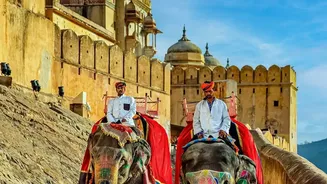
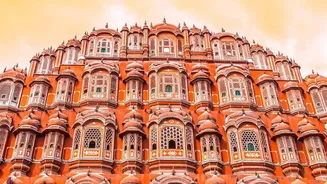
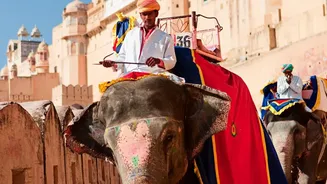
is no longer just about visiting historical sites. While heritage remains a strong motivator, the modern traveller is seeking a deeper, more immersive connection. This new wave of tourism prioritises experience over simple sightseeing. Instead of just seeing a place, the goal is to feel it, taste it, and understand its rhythm. This shift means that the metrics for what makes a destination desirable are changing, moving from architectural marvels alone to the richness of its living culture, particularly its food and social norms.
The Gastronomic Compass
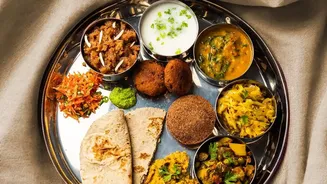
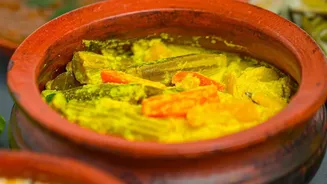
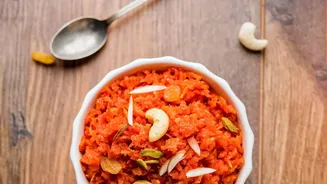
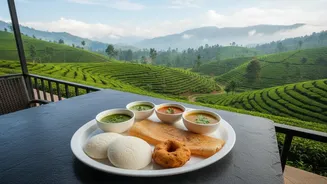
Food has become a primary reason to travel, not just an afterthought. Market forecasts show the culinary tourism sector in India is booming, expected to be a multi-billion dollar industry by 2026 and projected to grow significantly in the coming decade. This isn't just about visiting high-end restaurants. Travellers are drawn to the authenticity of regional flavours, from street food tours and city food walks to cooking workshops and farm-to-table dining experiences. Destinations are becoming famous for their unique culinary offerings—think of Kerala's spice gardens, Lucknow's kebab trails, or the distinct flavours of the Northeast. Hotels and homestays are responding by curating special culinary experiences, recognizing that a meal can tell a story that no guidebook can. This trend is about exploring India's diverse identity one dish at a time.
The Art of 'Atithi Devo Bhava'
The other, more subtle, pillar of this new travel culture is an appreciation for local etiquette. The ancient Indian ethos of 'Atithi Devo Bhava' (The Guest is God) is being met with a reciprocal effort from travellers to be more respectful and engaged guests. Understanding local customs is no longer an academic exercise but a practical tool for deeper connection. This includes knowing the nuances of dining etiquette, such as the tradition of eating with the right hand, which can be a liberating, tactile experience for visitors who embrace it. It also extends to understanding appropriate dress codes at religious sites, asking for permission before taking photographs, and respecting the host-guest dynamic, which is central to Indian hospitality. This mutual respect transforms a transactional tourist visit into a meaningful cultural exchange, often leading to warmer hospitality and more authentic interactions.
Emerging Stars and Economic Impact
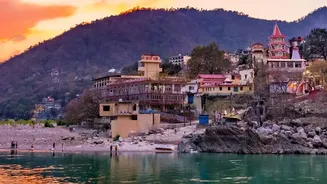
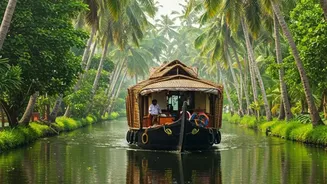
This shift is bringing lesser-known, Tier 2 and Tier 3 towns into the spotlight. As travellers venture beyond the usual metro circuit, they discover that smaller communities often offer the most genuine experiences. Kerala's Responsible Tourism Mission, which connects visitors with local households for authentic meals, is a prime example of this model's success. This form of tourism has a direct, positive impact on local economies. It empowers community-based initiatives, supports local chefs and artisans, and helps in the preservation of traditional practices that might otherwise fade. When a tourist chooses a homestay for its home-cooked meals or seeks out a local artisan, they are not just having a holiday; they are contributing to a sustainable and inclusive form of economic development.