

The Myth of the 'Off-Season'
For years, the word on Goa was to visit between November and February. The monsoon period, from June to September, was widely considered the 'off-season'—a time of shuttered shacks and relentless rain. But that perception is rapidly changing. What was once
a sleepy, rain-soaked hiatus is now a celebrated travel window for those in the know. While it's true that the sea is too rough for swimming and some beachside businesses take a break, the state itself doesn't shut down; it simply transforms. This period is seeing a surge in popularity, as visitors realise the monsoon offers a unique and more authentic Goan experience, trading crowded beaches for verdant landscapes and quiet moments.
A Greener, More Serene Paradise
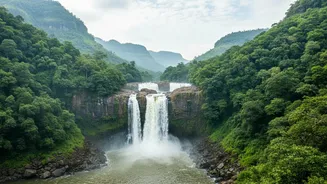
The most dramatic change during the monsoon is the landscape itself. The rains breathe life into the countryside, turning the entire state into an emerald paradise. The hills of the Western Ghats become covered in dense foliage, rivers swell, and spectacular waterfalls like Dudhsagar and Tambdi Surla thunder back to life. This is the time for nature lovers. The air is cooler, the dust has settled, and the scenery is perfect for exploring Goa’s hinterlands. Instead of vying for a spot on the sand, you can enjoy quiet drives through picturesque villages, hike through misty forests, or simply relax to the sound of tropical rain. It's a calmer, more restorative version of Goa, offering a genuine sense of peace away from the tourist bustle.
Beyond the Beach: What to Do
While beach activities are limited, the monsoon opens up a world of other experiences. Adventure seekers can go white-water rafting on the Mhadei River, which offers thrilling rapids during this season. Hiking and trekking are incredibly popular, with numerous trails leading to hidden waterfalls and stunning viewpoints. For a dose of culture, explore the colourful, rain-washed lanes of Fontainhas, Panjim’s Latin Quarter, or visit the historic churches of Old Goa. Spice plantations are another major draw, offering guided tours where you can learn about local flora and enjoy a traditional Goan meal. Many also find it the perfect time for wellness, with yoga and meditation retreats offering a tranquil environment for a recharge.
The Perks of a Monsoon Visit
Beyond the serene atmosphere, there are significant practical advantages to visiting Goa during the off-season. One of the biggest draws is the affordability. Prices for flights and accommodations can drop significantly, with many luxury hotels and boutique resorts offering steep discounts, sometimes up to 40-60%. This allows travellers to enjoy premium stays for a fraction of the peak-season cost. With fewer tourists, there are no long queues at restaurants, and you can explore popular attractions without the crowds. It’s also a fantastic opportunity to connect more deeply with the local culture, as community festivals like Sao Joao (June) and Bonderam (August) offer a unique glimpse into Goan traditions.
Tips for Your Monsoon Trip
A monsoon trip to Goa requires slightly different planning. Pack light, quick-drying clothes and waterproof footwear with a good grip. A poncho or a reliable rain jacket is more practical than an umbrella against windy showers. While renting a scooter is a Goan rite of passage, roads can be slippery and treacherous when wet, so experienced local taxi services are often a safer bet. It’s also wise to book accommodation in well-connected areas, as remote locations can become difficult to access during heavy downpours. Finally, embrace a flexible itinerary. The weather can change quickly, so build in buffer time and have backup indoor plans, like visiting the Museum of Goa or cozying up in a warm cafe.