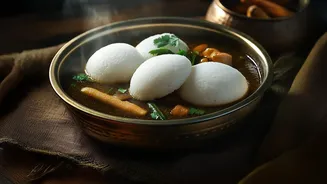


Appam and Ishtu (Vegetable Stew)
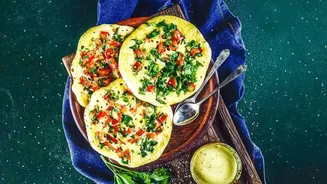
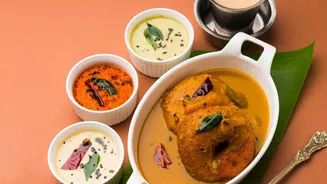
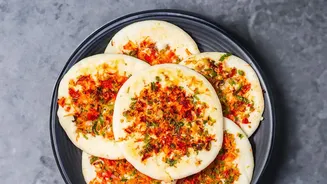
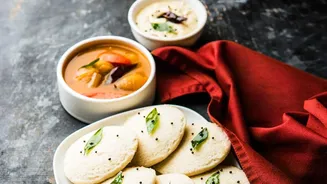
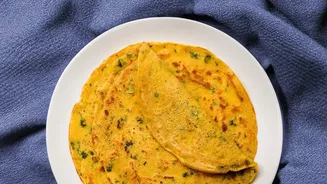
Appam is a soft, bowl-shaped pancake made from a fermented batter of rice flour and coconut milk. It's famously light, with a pillowy, soft centre and crisp, lacy edges. The perfect partner for appam is ishtu, a fragrant and mildly spiced vegetable stew.
Its name is a local adaptation of the English word 'stew'. The creamy coconut milk base is gently flavoured with ginger, green chillies, and whole spices, making it a comforting and gentle introduction to the flavours of Kerala. This combination is a beloved breakfast across the state.
Puttu and Kadala Curry
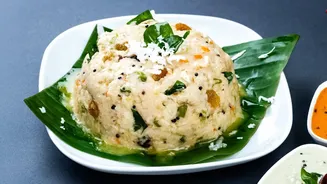
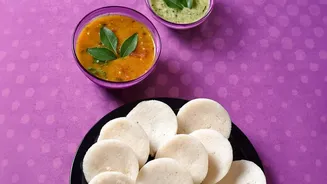
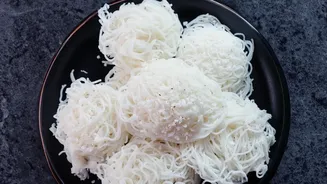
A staple breakfast for many Keralites, Puttu is a unique dish of ground rice and grated coconut steamed in a cylindrical mould. The result is a soft, crumbly rice cake with layers of fresh coconut. It’s almost always served with Kadala Curry, a robust and spicy curry made from black chickpeas (kala chana). The rich, aromatic gravy, often thickened with a paste of fried coconut and spices, provides a flavourful contrast to the mildness of the puttu. This pairing showcases how simple, local ingredients can be transformed into an exciting and balanced meal.
Avial
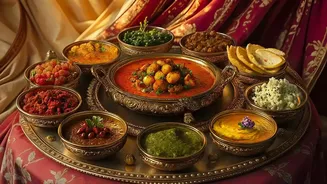
Avial is a thick, colourful medley of mixed vegetables cooked in a distinctive sauce of coconut and yogurt. It’s a cornerstone of the traditional Kerala feast known as Sadya. A wide variety of vegetables are used, typically including drumsticks, plantain, yam, carrots, and beans, all cut into uniform strips. The dish is seasoned with cumin seeds and fresh curry leaves, and finished with a drizzle of coconut oil. Its unique tangy and creamy flavour profile makes it a must-try for understanding the complexity of Keralan vegetarian cooking.
Thoran
Thoran is a simple and versatile dry vegetable stir-fry that is a part of everyday meals in Kerala. It can be made with a variety of finely chopped vegetables, such as cabbage, green beans, or beetroot, which are quickly cooked with grated coconut, mustard seeds, curry leaves, and turmeric. The dish comes together in minutes and is a perfect example of how coconut is used to create texture and flavour in Keralan side dishes. It’s a healthy, flavourful, and quick preparation that highlights the freshness of the vegetables.
Malabar Parotta
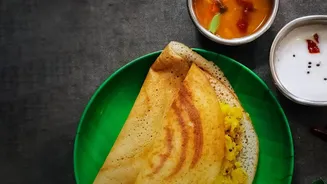
While flatbreads are common across India, the Malabar Parotta (or Kerala Parotta) is in a class of its own. It is a layered, flaky flatbread made from maida (all-purpose flour). The dough is kneaded, rolled thin, and then folded into layers before being coiled and rolled out again, creating its signature flaky and soft texture. Often found as a popular street food, its origins are debated, with some theories linking it to Sri Lanka or West Asian traders. It’s a rich and indulgent bread that is perfect for sopping up flavourful curries.
Meen Curry (Kerala Fish Curry)
Representing Kerala's extensive coastline, Meen Curry is a tangy and spicy fish curry that varies from region to region. A common preparation involves cooking fresh fish in a vibrant sauce made with ground spices like chilli powder and turmeric, often soured with kudampuli (Malabar tamarind), which imparts a unique smoky tartness. Many versions also include coconut milk, which adds a creamy richness to balance the spice and tang. Served with steamed rice or kappa (tapioca), it’s a true taste of coastal Kerala.
Payasam
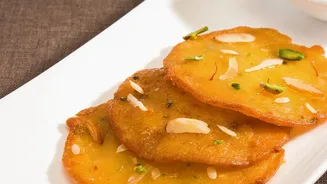
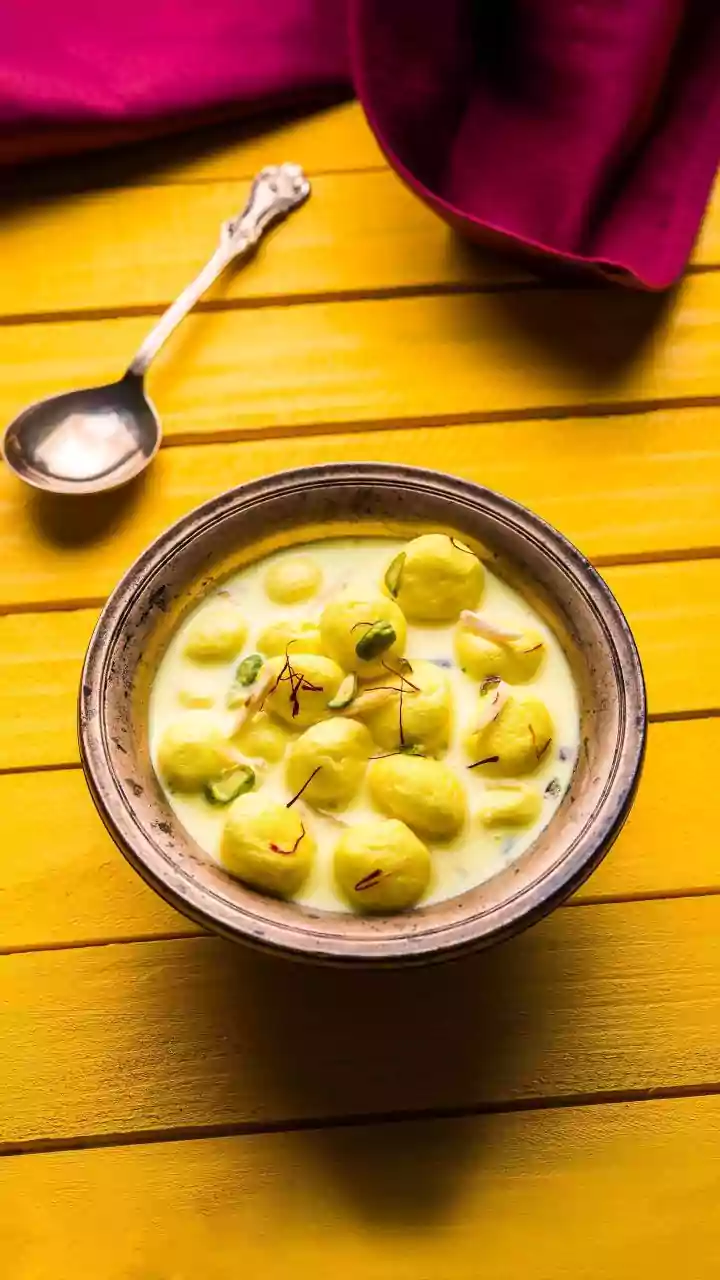
No culinary journey is complete without dessert, and in Kerala, that often means Payasam. A sweet, pudding-like dessert, it is a staple at festivals and celebrations. Payasam, similar to kheer in other parts of India, is typically made by boiling rice, vermicelli, or lentils with milk and sweetening it with either sugar or jaggery. It is then flavoured with cardamom and garnished with cashews and raisins fried in ghee. This rich, creamy, and comforting dessert is the perfect sweet ending to any South Indian meal.