



The Calorie Conundrum
A recent study focusing on young adults in India has delivered a fascinating insight into our relationship with food. It found that simply knowing about calories or possessing nutritional knowledge does not automatically lead to better food choices or a healthier
Body Mass Index (BMI). Researchers discovered that while many participants knew what was healthy, they struggled to eat well. This highlights a gap between knowing and doing, a challenge familiar to anyone who has ever abandoned a diet. The study suggests that our modern food environment, flooded with processed options and aggressive marketing, makes it difficult to translate theoretical knowledge into daily practice. The findings point towards a more complex reality: health is not just a math problem to be solved.
Why Counting Alone Isn't Enough
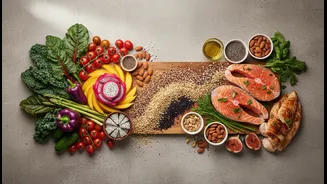
The obsession with calorie counting has several critical flaws. Firstly, it operates on the false assumption that all calories are created equal. In reality, 100 calories from a soft drink impact the body very differently than 100 calories from almonds. The latter provides fibre, protein, and healthy fats that promote fullness and offer nutrients, while the former causes a rapid blood sugar spike. Secondly, for Indians, the tools for counting are often flawed. Many popular global health apps have databases that are poorly adapted to Indian cuisine. A 'katori' of dal might be misinterpreted as 'lentil soup' with wildly inaccurate protein and calorie data, making precise tracking a frustrating exercise in guesswork. This can lead to a distorted view of one's diet and ultimately, discouragement.
A New Approach: Food Literacy
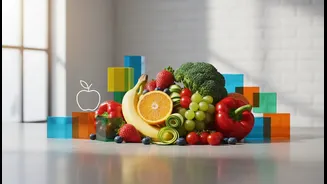
If counting calories is not the answer, what is? The research proposes a more powerful concept: food literacy. This goes far beyond just reading nutrition labels. Food literacy is the practical set of skills needed to navigate our complex food world and make genuinely healthy choices. It includes the ability to plan meals, shop for fresh ingredients, understand where food comes from, and possess the cooking skills to prepare nourishing meals. It also involves being able to critically assess food advertising and understand the emotional and cultural roles food plays in our lives. Unlike the restrictive nature of calorie counting, food literacy is about empowerment and building a positive, sustainable relationship with what we eat.
What Food Literacy Looks Like in Daily Life
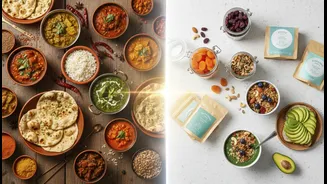
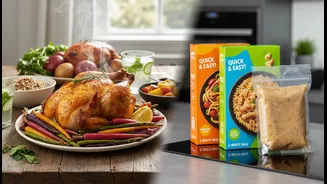
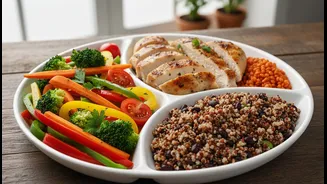
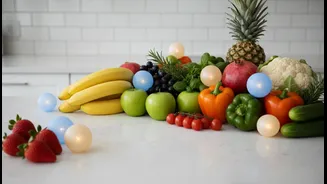
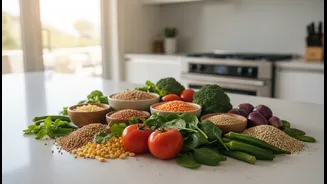
Putting food literacy into practice is simpler than it sounds. It means choosing a balanced, home-cooked meal over a processed, packaged snack that claims to be 'low-calorie'. It's about visiting the local market and buying seasonal vegetables, which are often fresher and more nutrient-dense. It involves reading the entire ingredient list on a packaged food item, not just the calorie count, to spot hidden sugars and unhealthy additives. It could be learning to cook a simple dal and rice, a foundational skill that offers far more long-term health benefits than knowing the exact calorie difference between two brands of biscuits. Food literacy is about understanding that a traditional Indian thali, with its variety of components, is a masterclass in balanced nutrition, offering carbohydrates, protein, fats, and fibre in one meal.