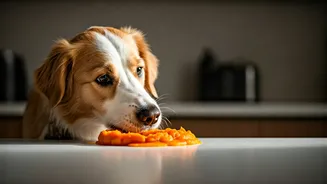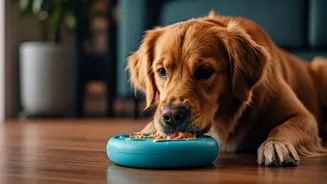





Why This Simple Treat Works Wonders
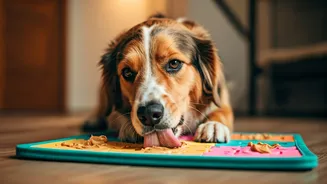
A frozen peanut butter treat isn’t just a tasty distraction; it’s a powerful enrichment tool that benefits your puppy in several ways. Firstly, the act of licking is naturally self-soothing for dogs. It releases endorphins, helping to reduce anxiety and
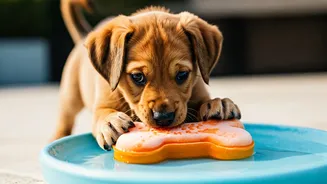
promote a state of calm. This is invaluable during crate training or when you need a few moments of peace. Secondly, the cold temperature provides welcome relief for a teething puppy. The cool, hard surface soothes their sore gums much like a teething ring does for a human baby. Finally, working to get the treat out of a toy provides crucial mental stimulation. This problem-solving activity combats boredom, prevents destructive behaviours like chewing on furniture, and tires out your puppy’s brain, which is just as important as physical exercise.
The Most Important Step: Choosing Safe Peanut Butter
Before you do anything else, you must learn to read peanut butter labels. Many brands, particularly “low-sugar” or “natural” ones, now contain an artificial sweetener called xylitol. Xylitol is extremely toxic to dogs, even in small amounts, and can cause a rapid, life-threatening drop in blood sugar and liver failure. Never, ever give your dog any product containing xylitol. The safest option is to choose a peanut butter where the only ingredients are peanuts and perhaps salt. Look for natural, unsweetened, and unsalted varieties. If the ingredient list is long and contains words you can’t pronounce, it’s best to put it back on the shelf and find a simpler alternative. Your puppy’s safety depends on it.
Easy Recipe & Simple Variations
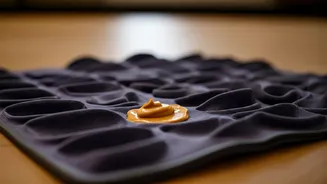
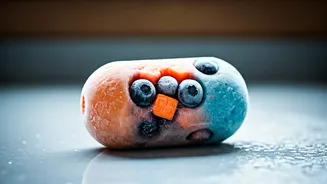
Making these treats couldn't be easier. You don’t need to be a chef to delight your puppy. **The Basic Recipe:** 1. Take 2-3 tablespoons of xylitol-free peanut butter. 2. Mix it with a small amount of water or plain, unsweetened yoghurt to create a smoother, less sticky consistency. This also makes it easier to fill toys and lowers the calorie density. **Method:** - For a quick treat, spoon the mixture into the compartments of a standard ice cube tray. - For a longer-lasting challenge, stuff the mixture inside a durable, hollow rubber toy designed for this purpose (like a Kong). **Simple Variations:** - **Pumpkin Power:** Mix in a tablespoon of plain, canned pumpkin purée (not pie filling). Pumpkin is great for digestive health. - **Banana Boost:** Mash up half a ripe banana and mix it with the peanut butter for extra flavour and potassium. - **Broth Blocks:** For a lower-fat option, you can freeze low-sodium chicken or beef broth in ice cube trays. Once prepared, place the tray or toy in the freezer for at least 3-4 hours, or until completely solid.
How and When to Use Frozen Treats
Timing is everything. A frozen treat can help shape your puppy's behaviour when used strategically. It's a fantastic tool for creating positive associations with things your puppy might find stressful. Give them one when you are putting them in their crate to teach them that the crate is a place where good things happen. Offer one when you need to leave the room for a few minutes to help prevent separation anxiety. It can also be a lifesaver on a rainy day when your puppy can’t burn off energy outside. The key is to offer the treat as a reward for calm behaviour or as a tool to prevent anxiety, not as a desperate attempt to quiet a puppy that is already barking or acting out. You want to reward the quiet, not the chaos.
A Friendly Reminder on Moderation
While beneficial, peanut butter is high in fat and calories. Treats should be just that—treats. A good rule of thumb followed by many veterinarians is the 10% rule: treats should not make up more than 10% of your dog’s total daily caloric intake. For a small puppy, this isn't very much. A single tablespoon of peanut butter can contain around 100 calories. Using a smear inside a toy rather than filling it to the brim is often enough to keep them engaged. Always supervise your puppy with any new toy or treat to ensure they are enjoying it safely. If you have any concerns about your puppy's diet, weight, or potential food allergies, the best source of information is always your trusted veterinarian.