




The Myth's Origin: A NASA Study
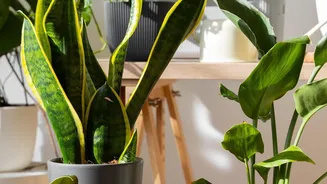
The popular belief that houseplants are detoxification powerhouses stems largely from a 1989 NASA study. Researchers, looking for ways to clean the air in sealed space stations, placed common houseplants like peace lilies and snake plants into small,
sealed chambers. They introduced harmful volatile organic compounds (VOCs) like benzene and formaldehyde and found that the plants effectively removed a significant portion of these pollutants from the chamber. This groundbreaking study suggested that plants could be a natural way to scrub the air of indoor pollutants, and the idea quickly took root in popular culture.
From Sealed Chamber to Living Room Reality
The problem is that your home is not a sealed space station chamber. More recent analyses have put the NASA findings into a real-world context, and the conclusion is clear: houseplants don't have a significant impact on indoor air quality. A 2019 review of decades of research found that the rate of air exchange from normal ventilation (like an open window or an HVAC system) removes VOCs far faster than plants can. To replicate the effects seen in the lab, you would need a staggering number of plants—somewhere between 10 and 1,000 per square metre of floor space, depending on the plant and the pollutant. While your collection of potted friends is lovely, it simply isn't dense enough to compete with basic ventilation.
The Real Benefit: A Breath of Fresh Air for Your Mind
So, should you get rid of your green companions? Absolutely not. While they may not be scrubbing the air clean, they provide a host of well-documented psychological benefits. Numerous studies have shown that interacting with indoor plants can reduce stress and anxiety. One study found that participants who engaged in a simple task with a plant experienced a drop in blood pressure and reported feeling more comfortable and relaxed compared to those doing a computer task. Simply being around greenery can lower levels of cortisol, the body's stress hormone, making your home a more calming and restorative environment.
The Green Focus Effect
Beyond just calming us down, plants can also help sharpen our minds. Research suggests that the presence of plants can improve concentration, attention, and productivity. Some researchers link this to Attention Restoration Theory, which posits that looking at nature can help restore our capacity to direct our attention after it has been fatigued. In one study, elementary school students who had a view of plants showed altered brain waves associated with better attention. For those working or studying from home, adding a few plants to your desk could provide a genuine, measurable boost in focus.
More Than Just a Pretty Leaf
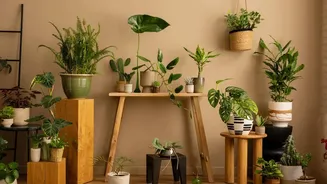
Let's not forget the most obvious benefits: plants are beautiful. They add life, colour, and texture to our indoor spaces, making them more pleasant and personalised. There's a deep satisfaction that comes from nurturing a living thing and watching it thrive. Furthermore, through a process called transpiration, plants release water vapour, which can slightly increase the humidity in a dry room. While it won't replace a dedicated humidifier, this can contribute to a more comfortable indoor environment, especially during dry winter months. These aesthetic and nurturing aspects are valuable contributions to our overall sense of well-being at home.