


The Challenge of Cosmic Distance
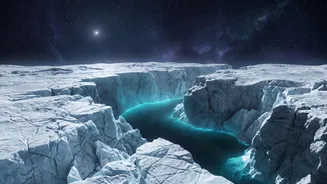
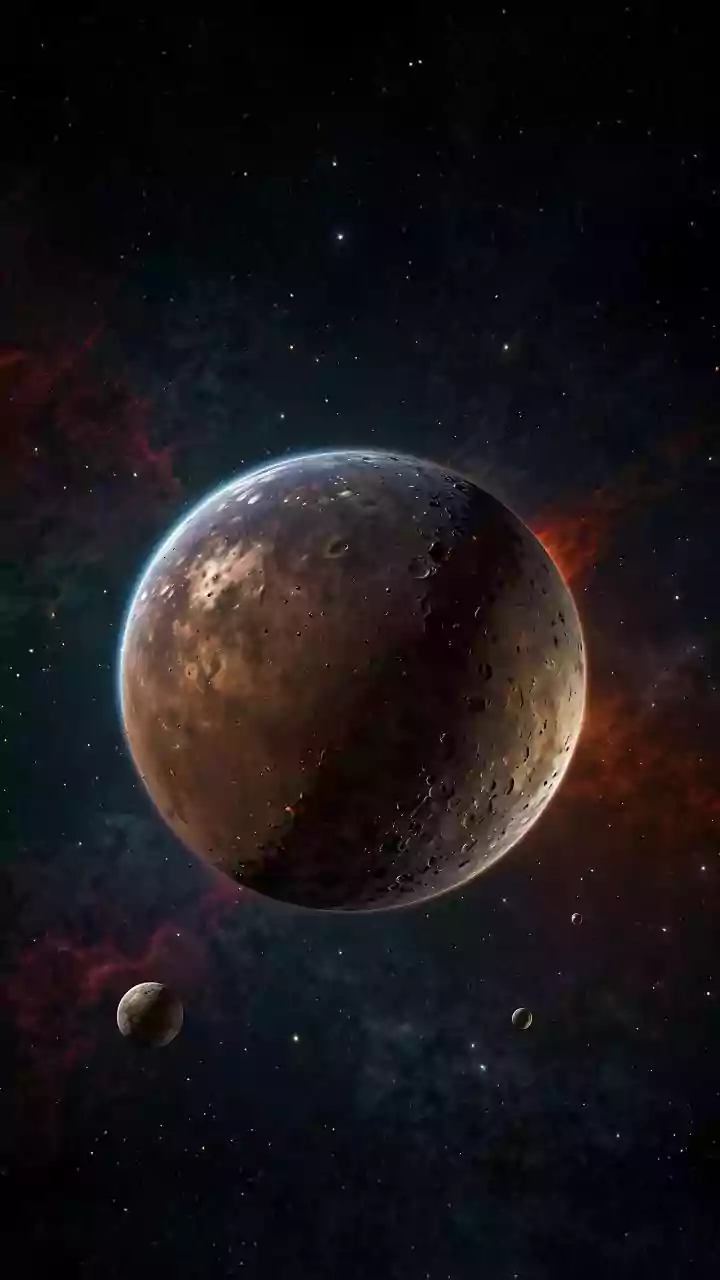
Searching for liquid on a dwarf planet is a cosmic detective story of epic proportions. These worlds, such as Eris and Makemake, are so far away they appear as little more than faint specks of light even to powerful telescopes. Unlike the icy moons of Jupiter
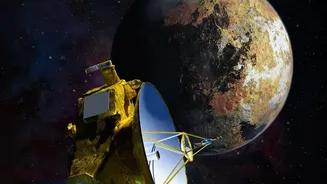
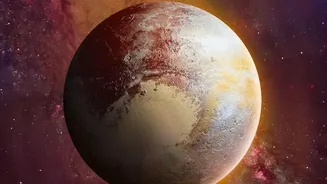
and Saturn, which we have visited with probes, no spacecraft has yet made the long journey to these distant bodies, with the notable exception of Pluto. This immense distance means scientists must rely on incredibly clever, indirect methods to look for clues of liquid activity buried deep beneath frozen surfaces.
Decoding the Faintest Light
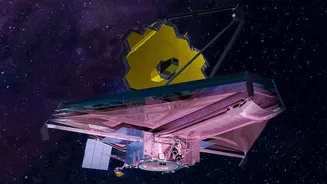
The primary tool in this search is spectroscopy. When sunlight travels across the solar system and bounces off a dwarf planet’s surface, the reflected light carries a chemical fingerprint. By capturing this light with telescopes like the James Webb Space Telescope (JWST) and splitting it into a spectrum, scientists can see which elements and compounds are present. They look for the signature of water ice, which is plentiful. But more importantly, they search for other molecules that hint at warmer, subsurface processes. Finding specific isotopes, or different atomic flavors, of methane has recently provided compelling evidence for geothermal activity deep inside Eris and Makemake.
Hunting for Hot Spots
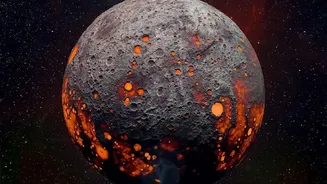
The presence of certain types of methane suggests it was formed in a hot, high-pressure environment, such as a rocky core interacting with water. This points to the possibility of hydrothermal activity, similar to deep-sea vents on Earth. Scientists believe radioactive elements within the dwarf planets' rocky cores could be decaying, generating enough heat to maintain a liquid ocean layer sandwiched between the core and the frozen outer crust. This internal heat could drive material upwards, in a process known as cryovolcanism, or ice volcanism.
The Clues of Cryovolcanism
Cryovolcanism is a key concept in the search for liquid water. Instead of molten rock, these volcanoes would erupt a slushy brine of water, salts, and gases like methane from the interior ocean. This activity would leave telltale signs on the surface. For example, freshly erupted material would be much brighter and more reflective than the older, darker surface that has been exposed to billions of years of cosmic radiation. By mapping surface brightness, scientists can look for unusually fresh patches that signal recent geologic activity. The analysis of carbon isotopes in the methane on Eris and Makemake suggests this resurfacing may have happened in the geologically recent past.
Building Worlds on Computers
Finally, scientists take all these disparate clues—surface composition, temperature readings, density, and mass—and plug them into complex computer models. These simulations help determine if a subsurface ocean is a physically plausible explanation for the observations. For example, models based on data from the Dawn mission to the dwarf planet Ceres concluded that its bright surface spots were likely caused by brine percolating up from a deep, salty reservoir. Similarly, recent models of Eris, based on JWST data, support the idea that it has a rocky core surrounded by a deep interior ocean. These models allow scientists to test different theories and build a coherent picture of what these mysterious worlds might look like on the inside.