



First, Try a Tailor
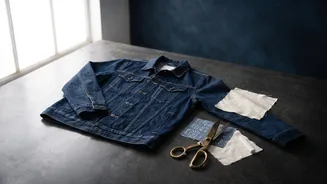
Before giving up on a beloved piece, consider a professional alteration. A skilled tailor can work wonders on clothes that are slightly too big, too small, or just don't hang right. This is often a cost-effective way to get more life out of high-quality
items or those with sentimental value. A professional can adjust a waistband, shorten a hem, or taper a shirt to fit your body perfectly, enhancing both comfort and style. Not only does this revive old favourites, but it also promotes a more sustainable wardrobe by reducing the need to buy new clothes.
Sell for Extra Cash
If a garment is in great shape but isn't something you see yourself wearing again, selling it is an excellent way to declutter and make some money. In India, numerous online platforms and apps are dedicated to pre-owned fashion. Websites and apps like OLX, Quikr, Coutloot, and Poshmark India let you list items, set your price, and reach a wide audience of potential buyers. For a hassle-free experience, take clear photos, write an honest description of the item's condition, and be prepared to ship it once sold.
Host a Clothing Swap
Turn your wardrobe clear-out into a fun social event by hosting a clothing swap with friends or community members. The premise is simple: each guest brings a set number of clean, gently used items to trade. To keep it organised, set up designated areas or racks for different categories like tops, pants, and dresses. You can use a ticket system, where each person gets one ticket per item they bring to 'spend' on new-to-them clothes, ensuring a fair exchange. It's a free, eco-friendly way for everyone to refresh their wardrobe and a great excuse to get together. Any leftover items can be donated to a local charity.
Donate to a Good Cause
Donating your clothes is a classic choice for a reason—it helps others while keeping textiles out of landfills. Many organisations in India accept clothing donations to support those in need. Look for local NGOs and charities like Goonj, Ratna Nidhi Charitable Trust, or SERUDS, which have established distribution networks. Some services, like Share At Door Step (SADS) in Bengaluru, help you find local NGOs and may even offer pickup services. Before donating, ensure the clothes are clean and wearable. A good rule of thumb is to only donate items you would be comfortable giving to a friend.
Get Creative with Upcycling
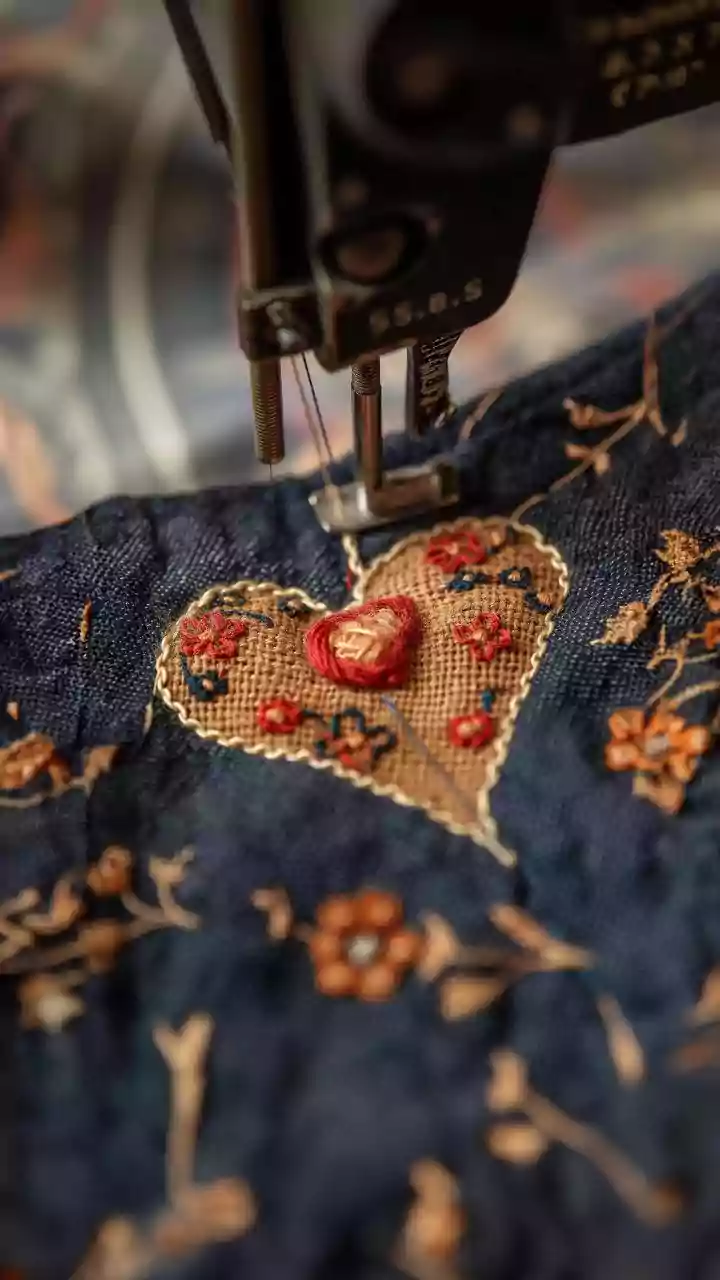
For those with a creative streak, ill-fitting clothes are a treasure trove of raw materials. Upcycling transforms old garments into entirely new and useful items. You don't need to be an expert sewer to get started. Old t-shirts can be cut into cleaning rags or braided into a rug. Denim from old jeans is sturdy enough to be turned into a tote bag, an apron, or unique patches. With a pair of scissors and some fabric glue, you can create accessories, add pockets to other garments, or even make decorative pillows. It's a fantastic way to give fabric a second life and create something truly one-of-a-kind.
Give to Family or Friends
Sometimes the simplest solution is the best. An item that no longer suits your style or size might be the perfect fit for a sibling, cousin, or friend. This is especially true for classic pieces, children's clothes that have been quickly outgrown, or trendy items that still have plenty of life left in them. Passing clothes on within your social circle is a personal and sustainable way to ensure they continue to be worn and appreciated, preventing waste and strengthening bonds at the same time.