



Why More Is Merrier for Your Gut
Your gut is home to trillions of microorganisms, known as the gut microbiome. Think of it as a bustling internal ecosystem. A healthy, resilient gut is one with a wide variety of these microbes. Research consistently shows a direct link between the diversity
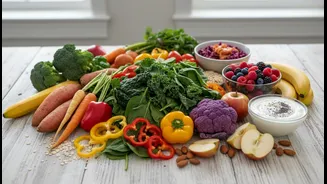
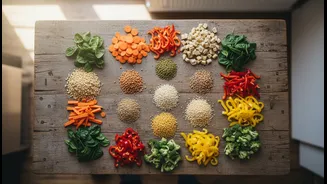
of foods we eat and the diversity of our gut bacteria. When you eat a wide range of foods, you provide different types of fuel for different families of beneficial bacteria, helping them all to thrive. This variety makes your gut more adaptable and robust. Conversely, restrictive diets that eliminate entire food groups can reduce the richness of your microbiome, which is a common finding in several chronic health issues. The goal isn't to follow a perfect, complicated plan, but to simply embrace variety.
The Foundational Power of Fibre
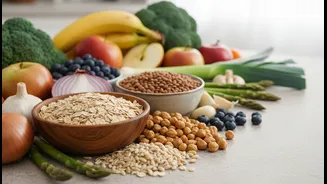
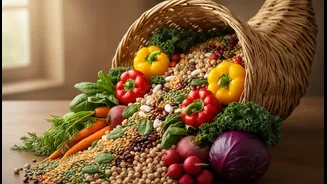
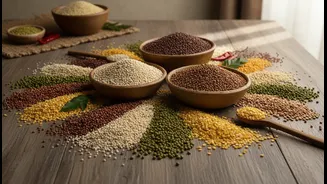
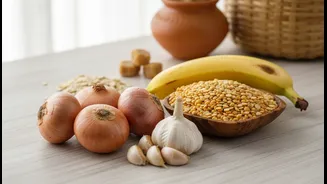
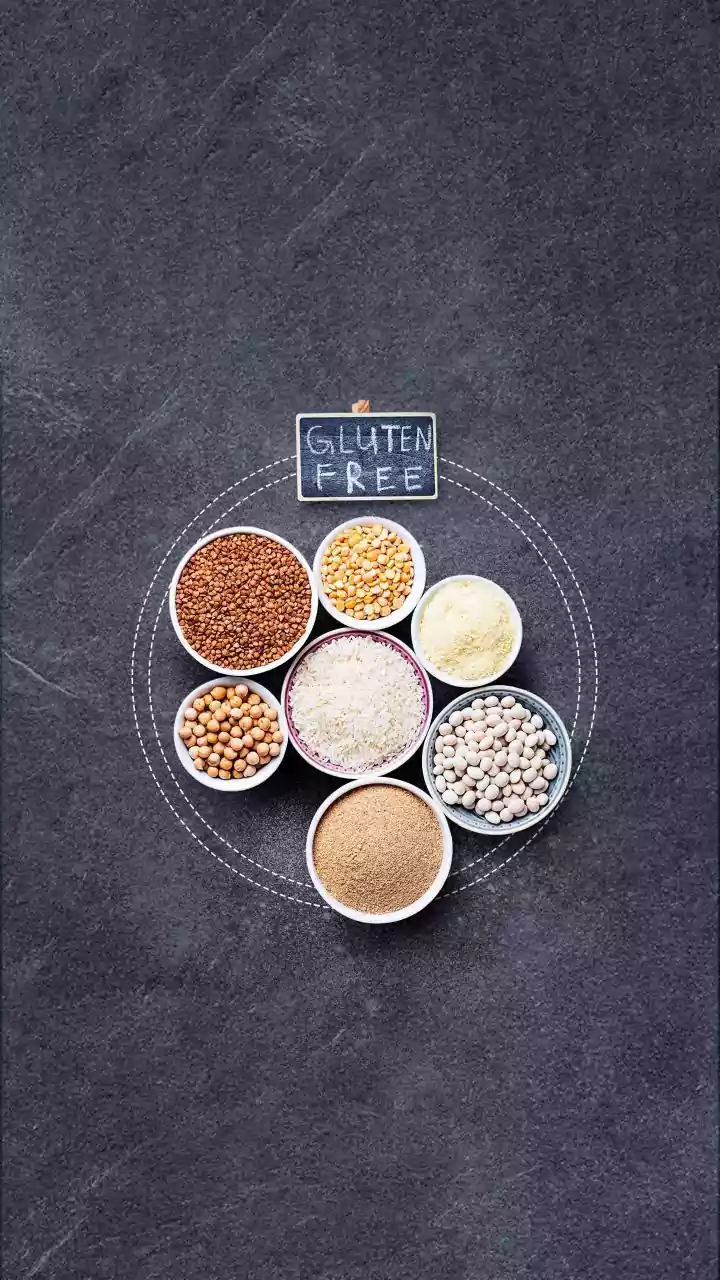
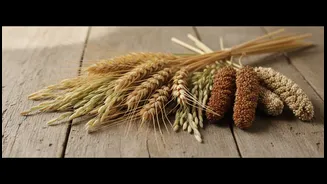
If there's one nutrient your gut microbes love, it's fibre. Dietary fibre, the part of plant foods your body can't digest, acts as a prebiotic—essentially, it's food for your beneficial gut bacteria. When these microbes ferment fibre, they produce beneficial compounds like short-chain fatty acids (SCFAs). These compounds nourish the cells lining your colon, strengthen your gut barrier, and help reduce inflammation. The good news for an Indian kitchen is that fibre is everywhere. Traditional staples like dals and legumes (chana, rajma, moong), whole grains like ragi, jowar, and bajra, and a wide array of vegetables are fantastic sources of gut-friendly fibre. Simply aiming to include more of these in your daily meals is a huge step forward.
Embrace Fermented Favourites
Fermented foods contain probiotics, which are live beneficial bacteria that can help bolster your gut's population of good microbes. In India, you don't need to look for expensive speciality products; probiotics are a core part of traditional cuisine. Homemade dahi (curd or yogurt) is one of the most accessible and effective probiotic foods, containing live bacterial cultures. Other excellent choices include chaach (buttermilk) and the fermented batters used for idli and dosa. Even traditional homemade pickles (in moderation) can contribute to microbial diversity. Including a small serving of these foods daily is a simple way to introduce beneficial bacteria into your system.
Eat a Rainbow of Plants and Spices
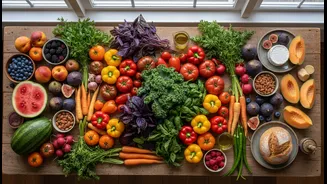
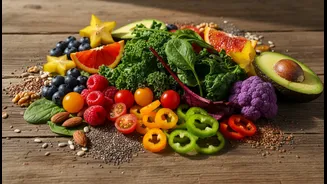
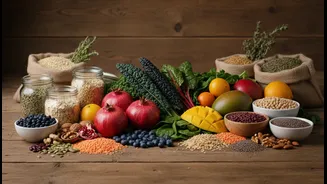
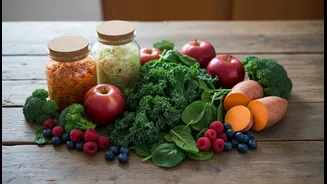
The vibrant colours in fruits and vegetables come from compounds called polyphenols. These act as antioxidants and also serve as fuel for beneficial gut bacteria. The advice to “eat the rainbow” is about more than just vitamins; it's about feeding your microbiome a variety of these beneficial plant compounds. Spices, the heart of Indian cooking, are also packed with polyphenols. Turmeric, ginger, cloves, cinnamon, and cumin don't just add flavour; they may positively influence the gut microbiome. One study showed that consuming a mix of common Indian spices helped increase beneficial Bifidobacterium in the gut. So, your daily tadka is doing more than you might think.
Simple Swaps, Not Strict Rules
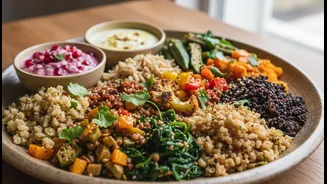
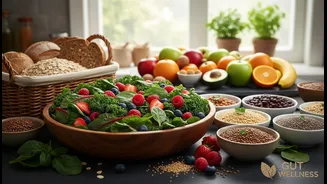
Improving gut health doesn't require a complete dietary overhaul. It's about making small, sustainable changes that add diversity. Try swapping refined white rice for brown rice or millets a few times a week. Add an extra vegetable to your sabzi or dal. Snack on a handful of nuts or dry-roasted chana instead of a processed snack. Have a small bowl of dahi with your lunch. One study found that people who ate more than 30 different types of plants per week had more diverse microbiomes than those who ate 10 or fewer. This might sound like a lot, but remember that grains, lentils, nuts, seeds, herbs, and spices all count. Instead of focusing on what to cut out, focus on what you can add in.