


What is Pranayama, Exactly?
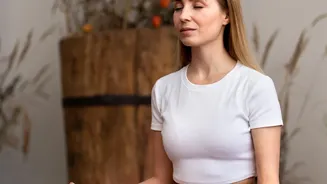
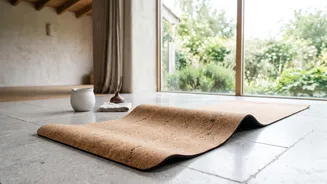
Pranayama is a term from ancient yoga, but you don't need a yoga mat to practice it. Derived from the Sanskrit words 'prana' (life force energy) and 'ayama' (to control or extend), it is the practice of conscious breath regulation. Unlike our normal,
often shallow automatic breathing, Pranayama involves intentional patterns of inhaling, exhaling, and sometimes holding the breath. The goal isn't just to breathe, but to guide your body's energy and calm your mind, making it an incredibly effective tool for managing modern-day stress.
The Science of Your Sigh of Relief
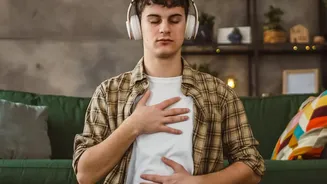
To understand why Pranayama works so quickly, we need to look at our nervous system. It has two main parts: the sympathetic system ('fight or flight') and the parasympathetic system ('rest and digest'). High-pressure situations trigger our 'fight or flight' response, flooding us with stress hormones like cortisol, increasing our heart rate, and making our breathing fast and shallow. Slow, deep breathing, as practiced in Pranayama, does the opposite. It activates the parasympathetic nervous system, telling your body it's safe to relax. This conscious shift from a state of high alert to one of calm is what provides that 'instant grounding' feeling. Studies show this switch can help lower blood pressure, reduce stress hormones, and promote emotional balance.
Your Body’s Secret Calming Switch
The key player in this calming process is the vagus nerve, the longest cranial nerve in the body, which acts as a superhighway of information between the brain and many vital organs. When you breathe deeply and slowly, especially with a longer exhale, you stimulate the vagus nerve. This stimulation sends signals to your brain to slow down, reducing your heart rate and promoting a sense of peace. It's like flipping a biological switch that turns down the volume on your body's stress response. Techniques that involve humming, like Bhramari Pranayama, are especially effective as the vibrations further stimulate this nerve.
A Simple Pranayama to Try Right Now
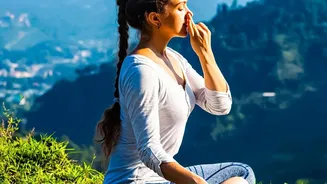
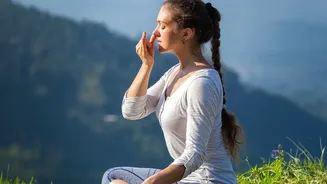
One of the most accessible and effective techniques for beginners is 'Anulom Vilom', or Alternate Nostril Breathing. It's known to balance the nervous system and quiet mental chatter. Here’s how to do it: 1. Find a comfortable, upright seat. Relax your shoulders. 2. Place your right thumb gently over your right nostril. 3. Inhale slowly and deeply through your open left nostril. 4. At the top of your breath, close your left nostril with your right ring finger, and release your thumb from the right nostril. 5. Exhale slowly and completely through the right nostril. 6. Now, inhale through the right nostril. 7. Close the right nostril with your thumb and exhale through the left. This completes one full round. Continue this pattern for 3-5 minutes, focusing on a smooth, even breath.
Making It a Daily Habit
The beauty of Pranayama is its accessibility. You can practice it anywhere, anytime you feel stress levels rising—before a big meeting, while stuck in traffic, or before bed to unwind. Start with just five minutes a day. The key is consistency. By regularly engaging your 'rest and digest' system, you can build greater resilience to stress over time. Think of it as a small, daily deposit into your well-being account. Instead of letting pressure build, you can use your breath to reset your nervous system and face challenges with a clearer, calmer mind. Consistent practice has been shown to improve not just stress levels, but also sleep quality, focus, and overall emotional balance.