




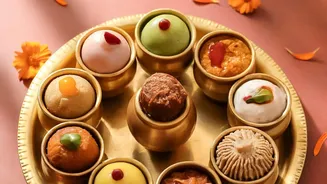
The Golden Rules of Snack Storage
Before we get into specific snacks, a few universal principles apply. First, always let your snacks cool down completely before storing them. Packing them while still warm traps steam, leading to sogginess and spoilage. Second, your best friends are clean,
dry, and airtight containers, preferably made of steel or glass. These are superior to plastic for long-term freshness. Finally, store your containers in a cool, dry place away from direct sunlight, as heat and light can degrade both taste and texture.
For the Crispy and Crunchy (Mathri, Chakli, Namak Pare)
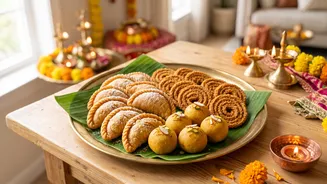
Dry, fried snacks like mathri, chakli, shankarpali, and namak pare are cherished for their satisfying crunch. The enemy here is moisture. To keep them perfectly crisp, store them in absolutely airtight containers. Many sources suggest that these snacks can last for two to three weeks, or even a month if stored correctly. One pro tip is to line the container with a paper towel or tissue paper to absorb any rogue moisture. It’s also crucial to store each type of snack separately to prevent their flavours from mingling and to stop any moisture transfer between them. When reaching for a snack, always use clean, dry hands or a spoon to prevent introducing contaminants.
Handling the Delicate Sweets (Ladoos and Barfis)
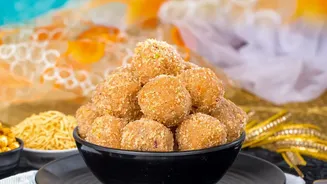
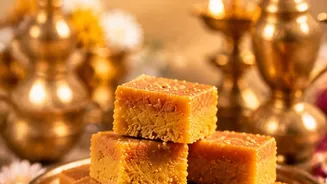
The storage method for sweets like ladoos and barfis depends heavily on their ingredients. Sweets made primarily with ghee, flour, or nuts (like besan ladoo or kaju katli) have a lower moisture content and can be stored at room temperature in airtight containers for about 7 to 10 days. In fact, refrigerating ghee-based sweets can cause them to harden and lose their desirable texture. However, sweets made with khoya (milk solids) or fresh milk, such as milk barfi or pedas, are far more perishable. These must be refrigerated in a sealed container and consumed within 4 to 5 days to prevent them from spoiling. Placing parchment paper between layers can prevent them from sticking together.
Storing Fried Pastries (Gujiya and Samosa)
Gujiya, the crescent-shaped pastry filled with a sweet mixture of khoya and nuts, is a Diwali staple. Like other fried items, gujiyas must be cooled completely to room temperature before being stored. Storing them while hot will make the crispy shell turn soft and chewy. Keep them in an airtight container in a cool, dry place, not the kitchen where temperatures fluctuate. While some suggest refrigeration can spoil their texture, if your gujiyas have a high khoya content, it is safer to refrigerate them and consume within a few days. For best results, avoid stacking them too tightly to prevent breakage.
Syrup-Based Sweets (Gulab Jamun and Rasgulla)
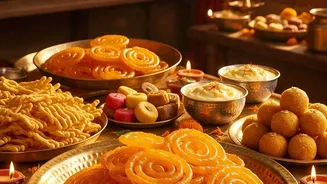
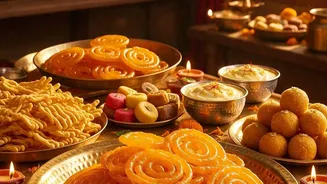
For sweets soaked in sugar syrup, like gulab jamun or rasgulla, the syrup itself acts as a preservative. These should be kept in the refrigerator, fully submerged in their syrup, inside a steel or glass container. It's essential to use a clean spoon every time you serve them to avoid introducing bacteria that could cause the syrup to ferment. While they can last for about a week when refrigerated properly, it's best to bring them to room temperature for 10-15 minutes before serving for the best flavour and texture.