





Why Your Brain Craves Green
This pull towards nature is more than just a trend; it's a core human need. The concept is called 'biophilia'—our innate tendency to connect with nature. In the concrete-heavy environments of urban India, this connection is often severed. Introducing
plants into our homes is a direct way to restore it. Studies have shown that interacting with indoor plants can lower stress hormones like cortisol, reduce blood pressure, and promote feelings of calm. The simple act of looking at greenery can provide a mental break, improving focus and concentration, which is especially beneficial for those working from home. Plants also act as natural air purifiers, filtering common toxins and releasing oxygen, contributing to a healthier indoor environment. Even a few well-placed plants can start to make a tangible difference in how a space feels.
Designing Your Green Moments
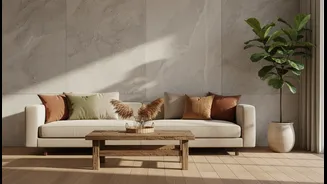
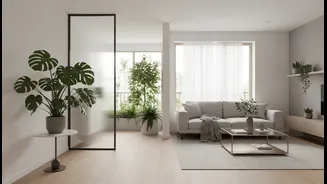
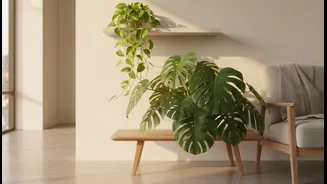
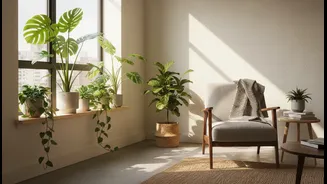
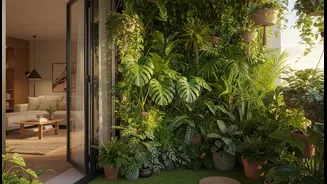
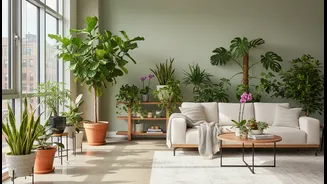
Creating a 'visual pause' is about being intentional. It's not about cluttering every surface with pots, but about designing specific corners of tranquility. Think of a reading nook anchored by a large, leafy fiddle-leaf fig, making it an inviting escape. Or consider a 'balcony exhale' corner, where even a small outdoor space is transformed into a mini-retreat with a few hardy plants. In the kitchen, a vertical wall of herbs can be both beautiful and functional. The goal is to create a focal point that draws the eye and calms the mind. This can be achieved by grouping plants of different heights and textures to create a lush, layered look. By placing a cluster of green near your entryway, you can soften the transition from the chaotic outside world to the calm of your home.
The Right Plant for the Right Space
The key to a thriving indoor garden, especially for busy urbanites, is choosing the right plants. Low-maintenance varieties are your best friends. For Indian apartments, which often have to contend with varied light conditions and summer heat, certain plants are particularly resilient. The Snake Plant is almost indestructible, tolerating low light and infrequent watering while purifying the air at night. The ZZ Plant, with its waxy, dark green leaves, is another champion of neglect, thriving in even the darker corners of a home. The ubiquitous Money Plant (Pothos) is a favourite for a reason; it's easy to grow, versatile, and can be trained to climb or trail beautifully. Other excellent choices for beginners include the Spider Plant, Peace Lily, and Areca Palm, which also acts as a natural humidifier.
Green Solutions for Small Apartments
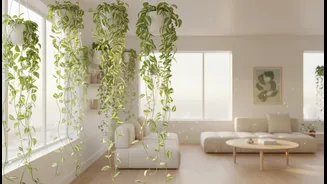
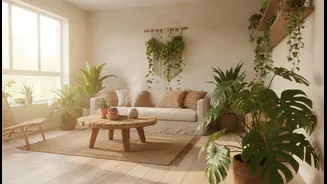
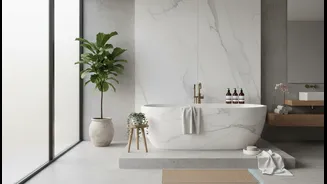
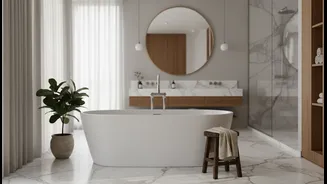
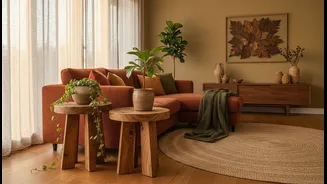
Limited square footage is a common reality in urban India, but it shouldn't be a barrier to creating a green sanctuary. The secret is to think vertically. Wall-mounted planters and hanging baskets draw the eye upward and utilize empty wall space without sacrificing precious floor area. Trailing plants like the Money Plant or Spider Plant are perfect for placing on high shelves, from where they can cascade down dramatically. Grouping smaller plants, like succulents or cacti, on a windowsill or a small side table can create a mini-garden effect with a small footprint. Even the bathroom, with its high humidity, can become an ideal home for plants like ferns and peace lilies, transforming it into a spa-like retreat. The principle of biophilic design is not about quantity, but about the thoughtful integration of natural elements into your daily life.