




Meet the Snake Plant: Nature’s Survivor
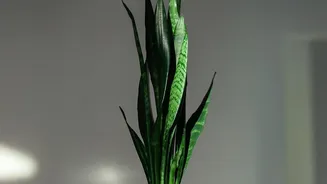
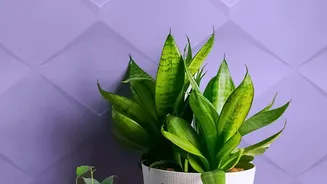
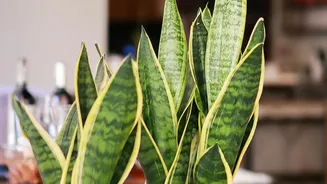
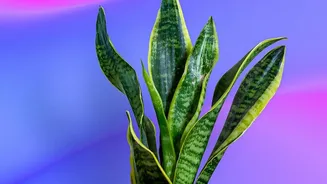
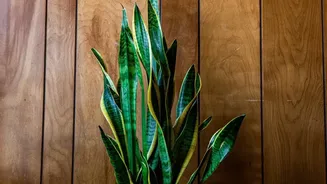
The Snake Plant, also known as Sansevieria or Mother-in-Law’s Tongue, is the very definition of a tough, low-maintenance plant. With its striking, upright leaves that grow in shades of green, often with yellow or silver edges, it has a modern, architectural
look that fits into any decor. Originally from West Africa, it's built to withstand dry conditions, which is great news for busy or forgetful owners. This plant is a succulent, meaning its fleshy leaves store water, allowing it to go for weeks without a drink. In fact, the most common mistake with snake plants is giving them too much attention and overwatering. They are champions of tolerance, surviving in low light conditions where other plants might falter, making them ideal for corners, hallways, and rooms with less-than-perfect sun exposure. For anyone convinced they can't keep a plant alive, the snake plant is here to prove you wrong.
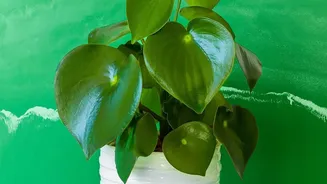
Meet the Pothos: The Eager Vine
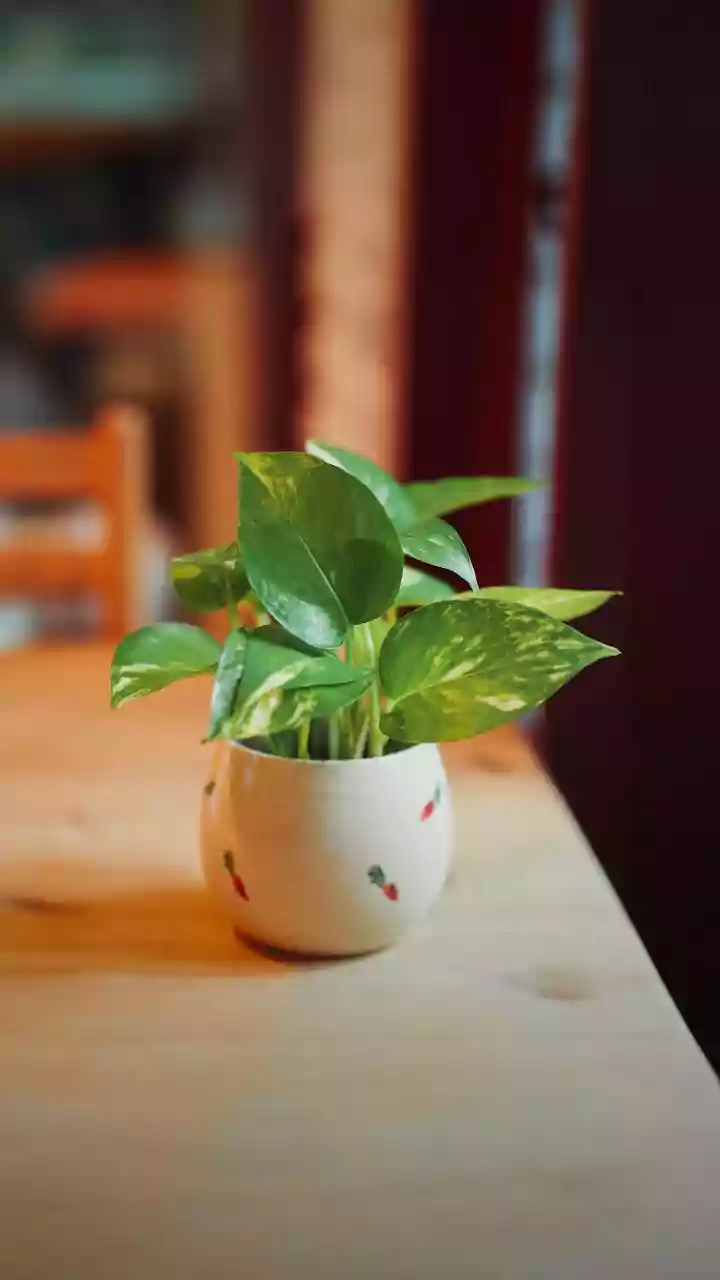
If the snake plant is a stoic survivor, the Pothos is its cheerful, fast-growing cousin. Known in India as the Money Plant, this trailing vine with heart-shaped leaves is one of the most common and beloved houseplants for good reason. It is incredibly forgiving and visually rewarding, quickly sending out long vines that can be trained up a trellis or left to cascade gracefully from a high shelf or hanging basket. Pothos is an excellent communicator; its leaves will visibly droop when it's thirsty, springing back to life shortly after watering. Like the snake plant, it's adaptable to various light conditions, from bright, indirect light to lower-lit office environments. Its resilience and rapid growth provide a wonderful sense of accomplishment for new plant parents, making it a confidence-booster for anyone just starting their indoor garden.
The Truth About Air Purification
The claim that houseplants purify the air is one of their biggest selling points, and it originates from a famous NASA study from 1989. The study found that certain plants, including snake plants and pothos, could remove common household toxins like formaldehyde and benzene from the air. However, there's a crucial piece of context that often gets lost: the experiments were conducted in small, sealed chambers, much like a spacecraft. Your home, with its windows, doors, and natural ventilation, is a much larger and more dynamic environment. More recent analysis has shown that to replicate NASA’s results in a typical room, you would need an enormous number of plants—far more than is practical for most homes. In reality, the air-cleaning effect of a few houseplants is negligible compared to simply opening a window for a few minutes. While they may not be the magical air scrubbers they are sometimes claimed to be, their psychological benefits, like reducing stress and improving mood, are well-documented.
A Simple Guide to Happy Plants
Caring for both snake plants and pothos is refreshingly simple because they thrive on a 'less is more' approach. The number one rule for both is to avoid overwatering. Always check the soil first; if the top couple of inches feel dry, it's time to water. In practice, this might mean watering your snake plant only every 2-4 weeks and your pothos every 1-2 weeks, even less in winter. For lighting, both are flexible. They thrive in bright, indirect sunlight but will tolerate low light. If you have a variegated (multi-coloured) variety, giving it more light will help keep its patterns vibrant. Use a well-draining potting mix, like one for cacti or succulents, especially for the snake plant, to ensure its roots never sit in waterlogged soil. That's it—master these simple rules, and you'll enjoy these green companions for years.