



A Nostalgic Summer Staple
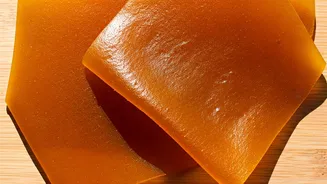
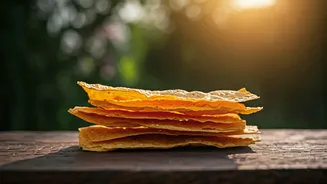
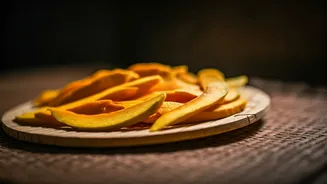
For generations of Indians, the mention of aam papad, or mango fruit leather, evokes powerful memories of summer vacations and grandmother’s kitchens. Traditionally made from the sweet pulp of ripe mangoes mixed with sugar, it's spread in thin layers
and patiently sun-dried. [1, 12] This process, originating in India as a clever way to preserve the bounty of mango season, results in a chewy, intensely flavoured snack that can be enjoyed year-round. [1, 10] Known by various names like 'aamsotto' in Bengal or 'mamidi tandra' in Andhra Pradesh, it’s a sweet staple woven into the country's culinary fabric. [12]
The Gen Z Twist: Going Raw and Tangy
Recently, a new version of this classic has been gaining traction, particularly among younger food enthusiasts: aam papad made from raw, unripe mangoes. [7, 8] Instead of the familiar sweetness of ripe Alphonso or Kesar mangoes, this preparation delivers a bold, tangy, and often spicy kick. [2, 21] The process involves boiling and pureeing green mangoes, then cooking them with sugar and spices like black salt, cumin, and chilli flakes before drying. [7, 17] The result is a 'chatpata' candy that aligns perfectly with a modern palate that craves complex flavour profiles—a departure from the purely sweet original.
Why the Sudden Revival?
This trend isn't just about flavour; it taps into several key characteristics of the Gen Z consumer. This generation, while digitally native, shows a strong inclination towards authenticity, wellness, and tradition. [6, 16] Making aam papad from scratch is a rejection of industrially produced snacks. After viral videos showed questionable hygiene in mass production, many resolved to make their own. [19, 23, 24] Furthermore, there's a growing interest in 'clean' and natural foods, with a preference for homemade items where the ingredients are known and controlled. [16] The DIY nature of making aam papad resonates with a generation that uses food for self-expression and finds joy in hands-on, craft-like processes. [15, 16]
From Family Kitchens to Viral Feeds
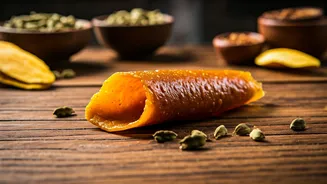
Social media is the engine driving this revival. Platforms like Instagram and YouTube are filled with aesthetically pleasing videos and recipes for raw mango papad. [8, 15] Food has become a core part of the Gen Z identity, and they are eager for culinary experiences they can capture and share. [15] The process of making aam papad—from the vibrant green of the raw mango puree to the final rolled-up treat—is visually appealing and highly 'shareable'. This digital documentation transforms a personal kitchen experiment into a communal trend, inspiring others to connect with their culinary heritage in a contemporary way. [13, 15]
Your Guide to Making Raw Mango Papad
Intrigued enough to try it yourself? The process is surprisingly straightforward. Start by peeling, chopping, and boiling raw mangoes until they are soft. [7] Once cooled, blend the pieces into a smooth puree, straining it to remove any fibres. [21] Cook this puree in a pan with sugar—adjusting the amount based on the sourness of your mangoes—and your choice of spices like black salt, chilli flakes, and roasted cumin powder. [20] Cook until the mixture thickens and becomes glossy. [4] Grease a plate or tray with ghee or oil, spread the mixture thinly, and let it dry. [5] This can be done under the sun for two days or in an oven at a very low temperature for a few hours. [9] Once fully dry and no longer sticky, simply peel it off, cut into strips, and enjoy your homemade tangy treat. [18, 22]