



What Makes a Sofa ‘Bold’?
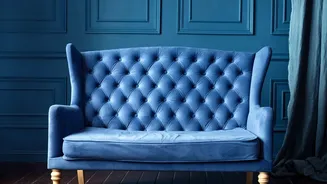
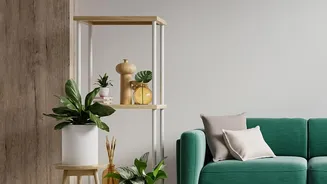
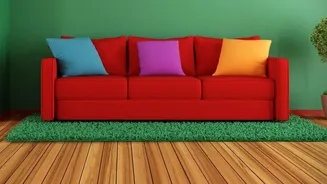
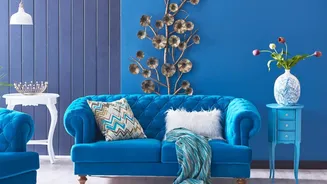
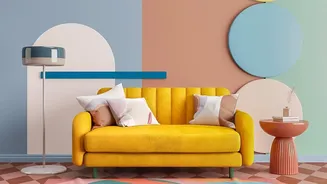
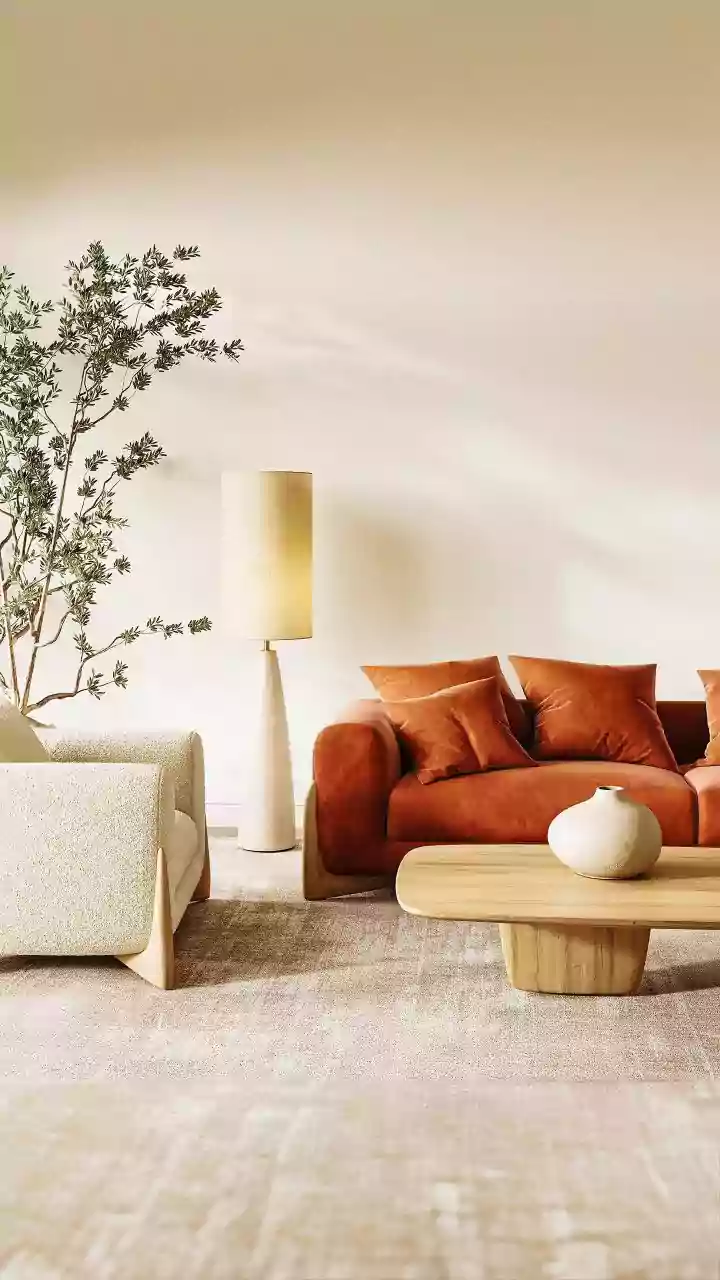
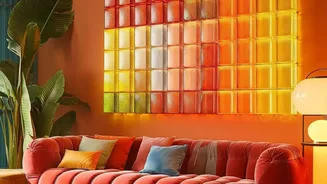
Forget the endless sea of beige and simple silhouettes that dominated past years. The 2026 statement sofa is all about personality. This isn't just about choosing a bright colour, though rich jewel tones and warm, optimistic hues are certainly part of the story.
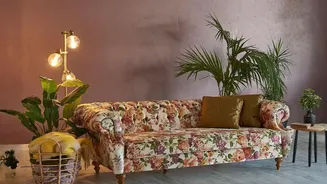
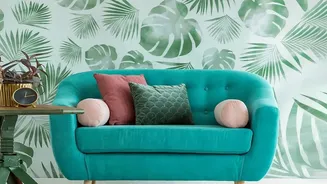
Boldness is also expressed through sculptural, curved shapes that reject straight lines, and through inviting, tactile fabrics like bouclé and plush velvets that beg you to touch them. Some designers are even championing vintage-inspired patterned sofas that act as a piece of art. The trend also includes modular sofas that offer flexibility and deep-seated designs built for ultimate lounging and comfort. The goal is to select a piece that acts as the clear focal point of the room, setting the tone for the entire space and reflecting a more expressive, personal style.
The Unbreakable Rule of Scale
Here’s where the dream meets reality. You can fall in love with a grand, sculptural sectional, but if you live in a compact apartment, it won't feel luxurious—it will feel like a mistake. Scale is the design principle that governs the relationship between the size of your furniture and the size of your room. A large sofa in a small room can feel claustrophobic and overpowering, while a tiny loveseat in a vast, open-plan space can look lost and insignificant. Getting the scale right is what makes a room feel resolved and harmonious. The key is balance. Your statement sofa should command attention without consuming the entire room. Think of it as the lead actor, not the entire cast, crew, and set.
Measure Twice, Lounge Once
Before you even start browsing, grab a tape measure. The most common mistake shoppers make is underestimating size and overestimating their space. First, measure the length and width of your room. A widely used rule of thumb is that a sofa should be about two-thirds the length of the wall it’s placed against. This leaves visual breathing room on either side, preventing the space from feeling cramped. Next, and this is crucial, use masking tape or painter's tape to mark the sofa's dimensions on your floor. This simple trick helps you visualize the footprint and see how it impacts traffic flow. You should leave at least 30 inches for comfortable walking paths around the furniture. Also, don't forget to measure doorways, hallways, and stairwells to ensure your new purchase can actually make it into the room.
Beyond Dimensions: Visual Weight
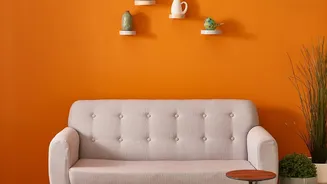
Scale isn't just about physical measurements; it's also about visual weight. A sofa with a high back, wide arms, and a dark colour will appear much larger and heavier than a low-profile sofa with slim legs and a light colour, even if they have the same footprint. For smaller rooms, a sofa raised on legs can create a sense of spaciousness because you can see the floor underneath. A low-profile design can also help a piece feel less imposing. Conversely, in a large room with high ceilings, a more substantial, grounded sofa can help anchor the space and feel more proportional. So, when you’re considering a bold piece, think about how its shape, colour, and style contribute to its overall presence in the room.
Styling Your Statement Piece
Once your perfectly scaled statement sofa is in place, the final step is to make it look intentional. The key is to let the sofa be the star of the show. Arrange the rest of your furniture around it, creating a cohesive conversation area. If your sofa is a vibrant colour or has a bold pattern, balance it with more neutral elements in the rest of the room, like a simple rug, neutral walls, or understated accent chairs. This creates harmony and prevents visual chaos. The coffee table should also be proportional—a good guideline is to choose one that is about two-thirds the length of the sofa. This ensures it is both functional and visually balanced, allowing everyone on the sofa to reach it comfortably.