




The festive season in India arrives with a familiar, fragrant whirlwind of expectations. For working parents in bustling metros, the pressure to recreate elaborate, traditional meals clashes with the reality of packed schedules and chronic time poverty.
The Weight of Tradition
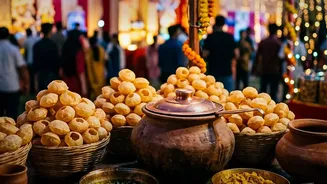
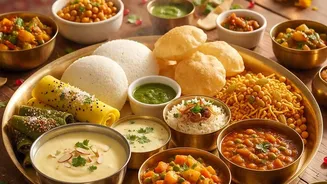
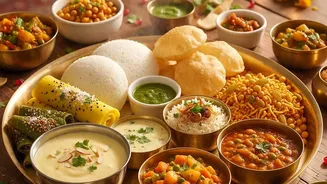
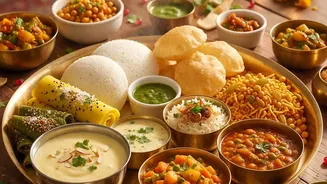
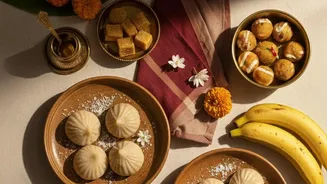
In many Indian households, festivals are synonymous with food. The aromas of freshly fried chakli, slow-simmered kheer, and perfectly crafted laddoos are deeply woven into the fabric of celebration. These culinary traditions, passed down through generations, are more than just recipes; they are acts of love, markers of cultural identity, and a cornerstone of hospitality. For decades, the responsibility for this elaborate preparation has often fallen on the women of the household. The expectation to produce a feast from scratch is a powerful cultural norm, a way of honouring guests and upholding family heritage. This pressure doesn't simply vanish in the face of a demanding career and the logistical challenges of city life.
The Urban Time Famine
Life in a metro city operates on a different clock. Long commutes, demanding work hours, and the daily juggle of school runs and household management leave little room for the time-intensive cooking that festivals demand. For dual-income families, the 'time famine' is real. The idea of spending days soaking, grinding, and frying is often a logistical impossibility. A Reddit discussion highlighted this very issue, with many working women in India noting that the expectation to cook fresh, elaborate meals daily is a significant source of stress, a burden not as intensely felt in many other parts of the world. This is where the tension arises: a deep-seated desire to celebrate authentically versus the practical constraints of modern urban life.
The Rise of the 'Smart' Kitchen
In response to this dilemma, a pragmatic middle ground has emerged, powered by convenience. The solution for many is not to abandon tradition, but to intelligently outsource parts of it. This has spurred a booming market for high-quality, ready-made and semi-prepared festive foods. Quick-commerce apps now feature dedicated sections for everything from artisanal mithai to gourmet snack hampers. You can find pre-made batters for dosas and dhoklas, jars of essential curry pastes, and par-boiled ingredients that cut down cooking time significantly. Home chefs have also become a popular option, with many families ordering traditional, freshly made snacks like bhakarwadi and chakli to get that 'homemade' taste without the labour. This approach allows parents to focus on preparing one or two signature family dishes from scratch while supplementing the rest of the feast with high-quality purchases.
From Guilt to Pragmatism
The decision to supplement homemade food with storebought options was once accompanied by a pang of guilt. Was it a compromise? A failure to live up to the standards set by mothers and grandmothers? Today, that mindset is shifting towards pragmatism. Parents are redefining what it means to be a good host and a carrier of tradition. The focus is moving from the labour of preparation to the spirit of the celebration—spending quality time with family. Brands have also played a role in this shift, offering 'fusion' sweets that blend traditional flavours with modern formats and healthier ingredients like jaggery or dates, making them more appealing to a new generation. The conversation is no longer about doing everything yourself, but about making smart choices that preserve both sanity and the festive spirit.
Redefining the Festive Table
The modern festive table in an Indian metro is a reflection of this beautiful balance. It might feature a grandmother's signature curry simmering on the stove, alongside a box of premium, storebought kaju katli and a platter of air fried snacks. It’s a spread that honours the past without being enslaved by it. By involving children in simpler kitchen tasks like garnishing or setting the table, parents are creating new, inclusive traditions. This hybrid approach ensures that the joy of the festival isn't lost in the exhaustion of the kitchen. It proves that celebration isn't measured in hours spent cooking, but in moments shared.