






The Engine of Instant Delivery
Quick commerce, or q-commerce, runs on a simple but powerful model: delivering goods to customers within 10 to 30 minutes of an online order. This isn't possible with traditional, large warehouses on the outskirts of town. Instead, the industry relies
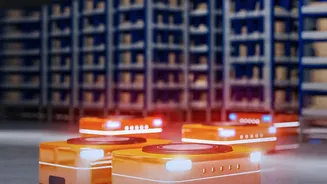
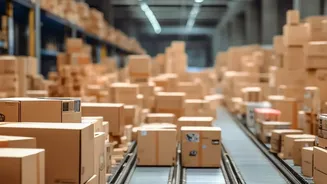
on a network of micro-fulfillment centers, often called 'dark stores'. These are small, strategically located hubs in dense residential areas that look like mini-supermarkets but are closed to the public. They are designed purely for picking and packing orders at high speed. Companies like Blinkit, Zepto, and Swiggy Instamart have built their entire business on this model, turning neighbourhood spaces into high-tech dispatch centers. This hyperlocal approach is the secret sauce that makes near-instant delivery a reality.
The Strategic Shift to Tier 2
After proving the model in major metros like Mumbai and Bengaluru, quick commerce giants are aggressively expanding into Tier 2 cities. This isn't just about finding new customers; it's a calculated business decision. Tier 2 cities like Lucknow, Jaipur, Coimbatore, and Chandigarh offer significant advantages. The cost of real estate for dark stores is 30-40% lower, and operational expenses, including labour, are about 18-25% cheaper. Moreover, these markets are far from saturated, meaning less competition and potentially more loyal customers. With rising disposable incomes and widespread digital adoption, the demand for convenience is soaring in these cities. As a result, companies are racing to establish a first-mover advantage, setting up hundreds of new dark stores. Blinkit, for instance, has expanded into cities like Kochi, Haridwar, and Vijayawada, while Swiggy Instamart has entered Kanpur, Udaipur, and Bhopal.
A New Profile of National Employment
This expansion is creating a distinct wave of employment that goes far beyond delivery partners. Each micro-fulfillment hub requires a full team to run effectively. Job postings in cities like Bhubaneswar, Coimbatore, and Cuttack show a high demand for pickers, packers, warehouse assistants, and floor associates. These roles involve managing inventory, preparing orders, and ensuring the smooth flow of goods. Monthly salaries for these positions are becoming increasingly structured, often ranging from ₹14,000 to ₹22,000, supplemented with benefits like PF and ESIC. Beyond the warehouse floor, the expansion is also creating white-collar jobs. There is a growing need for professionals in data analytics, supply chain planning, and category management, with companies establishing regional command centers in these cities. This creates a career ladder, where an entry-level associate can potentially grow into a supervisor or hub manager role over time.
Economic Ripples and Workforce Changes
The influx of quick commerce is having a broader economic impact on Tier 2 cities. The logistics sector is projected to create millions of jobs nationally by 2027, and this decentralised model is spreading that opportunity more evenly. Reports indicate that non-metro regions now account for nearly 70% of the formal workforce, with logistics being a key driver. This shift brings both opportunities and challenges. While it formalises parts of the gig economy and creates structured employment, there is also a recognised skills gap. The modern logistics role requires familiarity with handheld scanners, inventory software, and data systems. Consequently, companies often find they need to invest more in training for the Tier 2 workforce, but in return, they benefit from lower employee attrition and higher retention rates compared to the hyper-competitive metro job markets.