



A Kingdom Locked by Ice
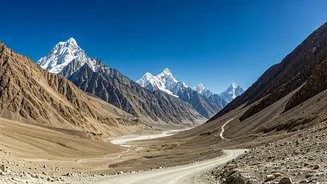
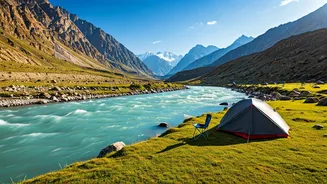
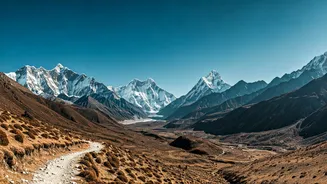
Tucked away in a remote corner of Ladakh, Zanskar is less a destination and more an epic. For nearly half the year, this high-altitude valley is completely cut off from the outside world by snow-choked passes, its lifeblood river frozen into a legendary
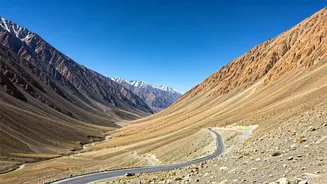
pathway known as the Chadar Trek. Geographically part of the Kargil district, it feels like a separate kingdom, a lost horizon of dust-blown mountains, turquoise rivers, and ancient Buddhist monasteries that seem to grow directly from the cliffs. Unlike the more accessible parts of Ladakh, where Leh has become a bustling hub of cafes and tourist agencies, Zanskar retains a palpable sense of isolation. Here, the rhythm of life is dictated by the seasons, not the tourist cycle. It’s a landscape that demands respect and rewards visitors with a profound sense of solitude and scale.
The Journey as a Filter
Getting to Zanskar is a deliberate act, a commitment. There are no easy flights dropping you into a comfortable hotel. The journey is an arduous, multi-day affair over some of the world's most challenging roads, whether you approach from Kargil or over the high passes from Manali. Roads are often unpaved, bone-jarring, and subject to landslides. This difficulty, however, serves a purpose: it's a natural filter. It weeds out the casual tourist, ensuring that those who arrive have truly earned their presence. For the young Indian backpackers making this trip, the grueling drive isn't a bug; it's a feature. It’s a rite of passage that strips away the trivialities of modern life long before they ever set foot in the valley's main town of Padum. The journey itself becomes part of the escape, a decompression from the noise of urban India.
Rejecting the Mainstream Trail
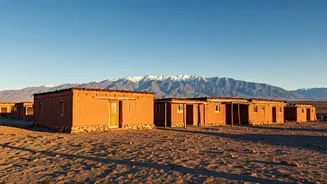
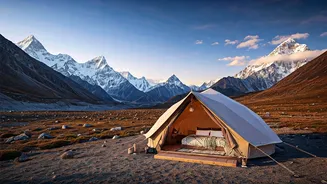
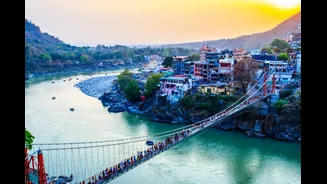
For years, the quintessential North Indian mountain trip involved a predictable circuit: the hippie-chic cafes of Manali, the biker pilgrimage to Leh, or the spiritual retreats of Rishikesh. But as these places have swelled with crowds and commercialism, their original appeal has diluted. A growing cohort of young, independent Indian travelers is now actively seeking what lies beyond. They are not just tourists; they are explorers charting a new domestic travel map. This trend is less about 'seeing' a place and more about 'experiencing' it. They’re trading Wi-Fi for conversations in a village homestay, swapping curated cafe menus for a simple meal of thukpa with a local family, and exchanging crowded viewpoints for empty valleys where the only sound is the wind. Zanskar, once the exclusive domain of hardcore international trekkers, has become the perfect answer to this search for authenticity.
The Search for Disconnection
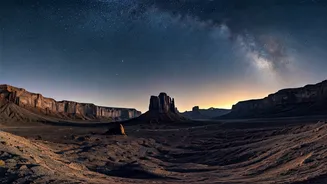
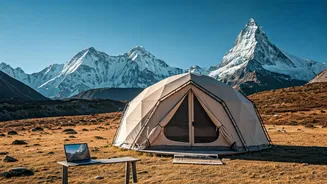
At its heart, the Zanskar trend is about the luxury of disconnection. In a hyper-connected world, the valley's spotty-to-nonexistent mobile and internet service is a core part of its allure. It forces a presence and an introspection that is nearly impossible to find elsewhere. Backpackers aren't there to create content for Instagram; they are there to live in the moment. This desire reflects a broader cultural shift among India’s youth, who are increasingly valuing experiences over possessions and mental wellness over the hustle. The stark, high-altitude desert of Zanskar offers a mental reset, a place where the grandeur of nature puts personal anxieties into perspective. It’s a pilgrimage away from the digital noise and toward a more elemental, grounded way of being, even if just for a few weeks.