



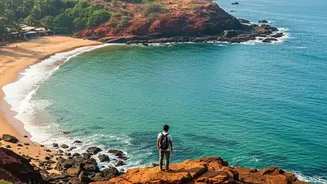
The Magic of a Post-Monsoon Drive
The period from October to February is widely considered the best time to embark on a coastal Karnataka road trip. After months of rain, the landscape is rejuvenated, painting the Western Ghats in vibrant shades of green. The air is fresh, the humidity
is lower, and the weather is pleasant for driving and exploration. Waterfalls are still flush with water, rivers are full, and the sea, while still powerful, becomes more inviting. This season also sees fewer crowds than the peak winter months, offering a more serene experience at popular spots. Furthermore, certain attractions like St. Mary's Island, which are often closed during heavy rains, become accessible again.
The Southern Stretch: Mangalore to Udupi
Your journey can begin in Mangalore, a bustling port city that serves as the southern gateway to this coastal route. Before hitting the highway, explore local spots like Tannirbhavi and Panambur beaches. The drive north towards Udupi on National Highway 66 is a delightful experience, with well-maintained roads weaving through towns and villages. A worthwhile detour is Kaup (or Kapu) Beach, home to a century-old lighthouse that offers panoramic views of the coastline. Udupi itself is a major hub, famous for its Sri Krishna Matha and as a culinary destination. Don't leave without sampling the local vegetarian cuisine. From nearby Malpe beach, you can take a ferry to the unique geological formations of St. Mary's Island.
The Jewel of the Coast: Maravanthe
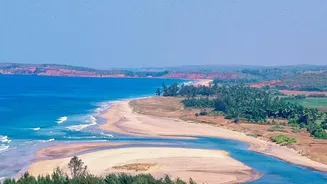
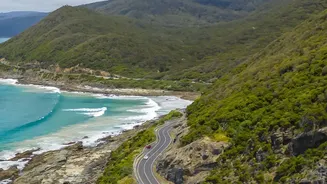
Arguably the most iconic part of this entire drive is the stretch at Maravanthe. Here, NH-66 runs on a narrow strip of land with the roaring Arabian Sea on one side and the calm Souparnika River on the other. This spectacular view, with the Kodachadri Hills visible in the distance, is unique in India and a mandatory photo stop for every traveler. While the sea can be rough, especially right after the monsoon, the sheer beauty of the location is undeniable. You'll find small shacks along the highway perfect for a quick break with a tender coconut, allowing you to soak in the incredible scenery.
Spiritual Vistas: Murudeshwar and Honnavar
Continuing north, the coastal drive takes a spiritual turn at Murudeshwar. The town is dominated by the world's second-tallest Shiva statue, which sits majestically by the sea. The temple complex, built on a hillock, offers stunning views from its tall gopuram. Just a short drive away is Honnavar, an often-overlooked town that boasts serene backwaters and a beautiful mangrove boardwalk. The nearby Kasarkod Eco-Beach, a Blue Flag certified beach, offers clean sands and well-maintained facilities, providing a tranquil escape from the more crowded tourist spots.
Bohemian Bliss: The Beaches of Gokarna
A small detour off the main highway will lead you to Gokarna, a town that effortlessly blends spiritual pilgrimage with a laid-back beach vibe. Known for its pristine beaches, each with its own character, Gokarna is a favorite among backpackers and those seeking a slower pace. Om Beach, named for its distinctive shape, and the crescent-shaped Kudle Beach are perfect for relaxing and watching the sunset. For the more adventurous, a trek or a boat ride can take you to the more secluded Half Moon and Paradise beaches. While here, visit the ancient Mahabaleshwar Temple, a significant pilgrimage site.
The Northern Frontier: Towards Karwar
The final leg of the journey takes you to Karwar, a quiet port town near the Goa border. Situated at the mouth of the Kali River, Karwar's beauty inspired Rabindranath Tagore. The drive here is marked by the convergence of rivers, hills, and the sea. Key attractions include the serene Devbagh Beach, the Warship Museum, and Sadashivgad Fort, which offers views of the river estuary. You can also take a boat trip to Kurumgad Island for mesmerizing sunset views. It's a peaceful end to a journey that showcases the incredible diversity and natural splendor of Karnataka's coastline.