


The Hidden Language of Comfort
Our connection to texture is deeply psychological. Our sense of touch is directly linked to feelings of emotional warmth and security. When we encounter soft, pleasant textures, our brains can release oxytocin, a hormone associated with calm and connection.
This is why sinking your feet into a plush rug or curling up with a woollen throw feels so instantly relaxing. A room filled with hard, smooth surfaces like glass, metal, and polished stone can feel sleek and modern, but it can also come across as cold or sterile. Soft textures balance these hard elements, softening the edges and making a space feel finished and approachable.
Creating Depth and Dimension
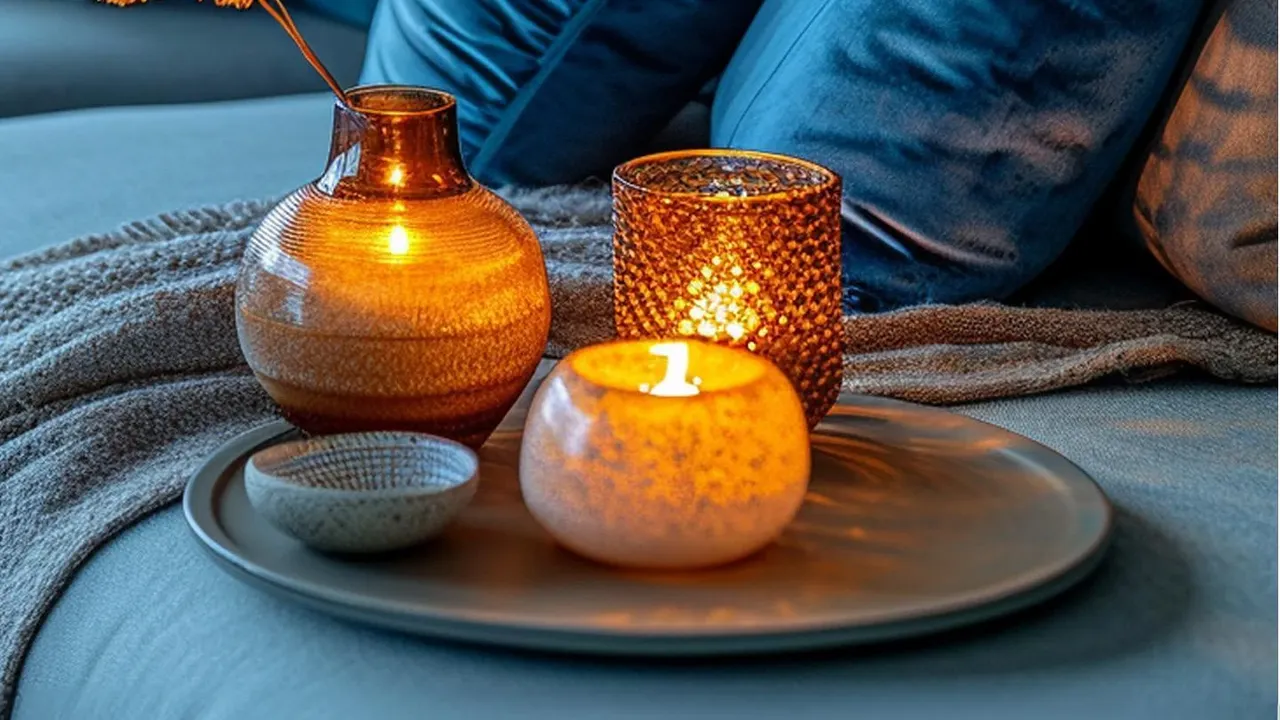
Beyond the psychological impact, texture is a crucial tool for adding visual depth. A room with only smooth, flat surfaces can feel one-dimensional, but layering different materials creates subtle contrast and interest. Soft fabrics absorb and diffuse light differently than hard surfaces, which helps to create a warmer, more gentle glow in a room. This layering of materials—a smooth leather sofa paired with a chunky knit cushion, or a velvet chair next to a wooden table—prevents a neutral colour scheme from looking bland and gives the room a rich, dynamic quality. It adds a sensory richness that transforms a space from simply 'decorated' to genuinely 'lived-in'.
Start with a Soft Foundation
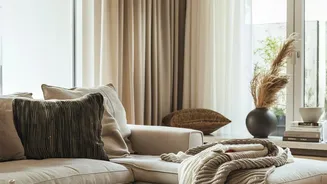
The easiest way to begin incorporating soft textures is with the largest surfaces in the room. A plush area rug is an excellent starting point, as it immediately adds physical warmth and helps absorb sound, reducing echo and making a room feel quieter and more serene. Curtains are another foundational element. Swapping out thin blinds for heavier drapes made of linen, cotton, or velvet can soften the hard lines of windows and add a sense of luxury and insulation. These large-scale textiles act as the 'anchor' for the room's entire textural palette.
Layer on Cushions and Throws
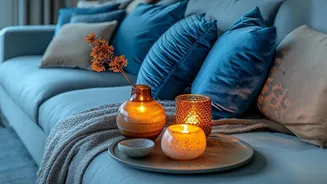
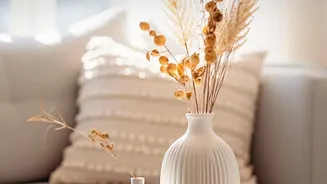
Once your foundation is set, layering smaller textiles is where the fun begins. Throw pillows and blankets are the most versatile and affordable way to add texture. Don't be afraid to mix and match materials to create contrast and interest. Pair a smooth silk or cotton cushion with a nubby bouclé or a faux fur one. Drape a chunky knit throw over the arm of a sofa or fold a soft cashmere blanket at the foot of a bed. These smaller pieces are what make a space feel truly personalized and cozy, inviting you and your guests to relax and get comfortable.
Think Beyond Fabric
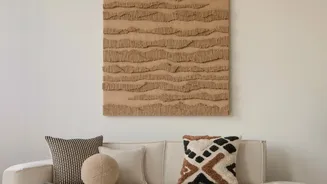
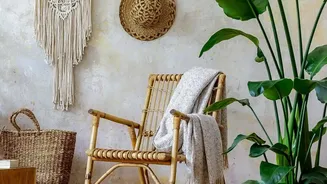
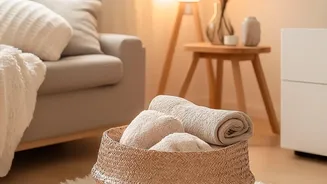
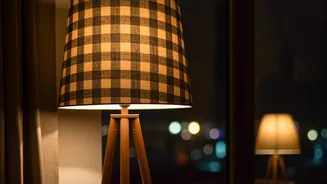
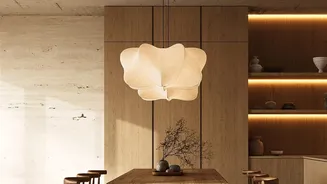
Softness isn't limited to textiles. You can introduce inviting textures through other decorative elements. Woven baskets, for example, add a natural, rustic feel while also providing stylish storage. A fabric-covered lampshade will cast a much softer, more diffused light than a metal or glass one, enhancing the room's warm glow. Even artwork, such as a canvas painting or a woven wall hanging, contributes to the room's overall textural story and adds dimension to flat walls. Incorporating natural elements like wood, plants, and clay pottery also brings in organic textures that make a space feel grounded and calm.