






A Major Push for Conservation
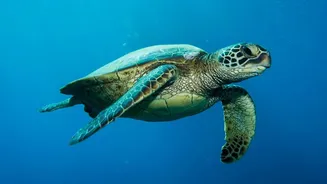
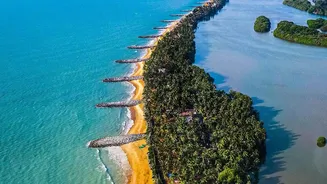
In a significant move for wildlife conservation, Goa's Forest Department has proposed declaring 24 beaches across the state as official turtle nesting sites. This proposal, sent to the Department of Environment and Climate Change, aims to bring these
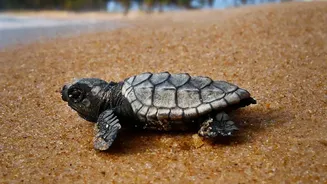
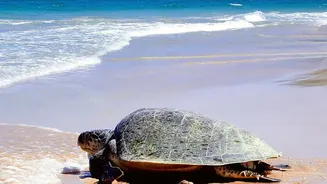
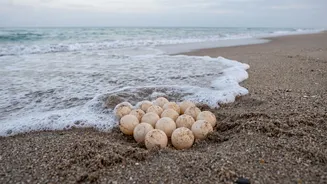
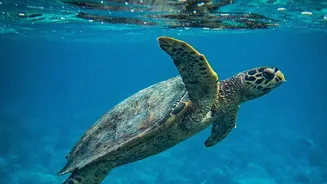
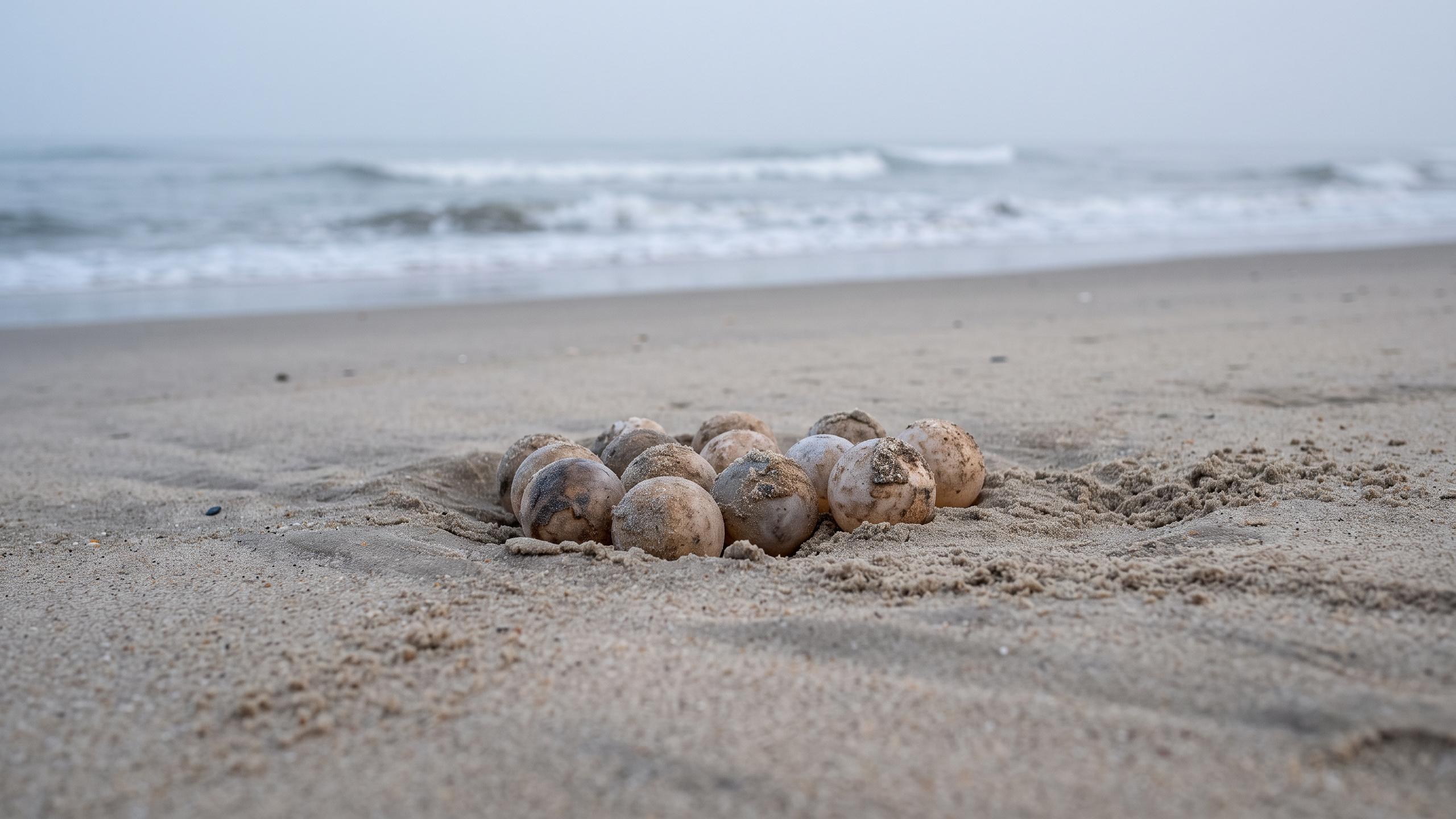
beaches under the strict regulations of the Coastal Regulation Zone (CRZ) Notification, 2019. If accepted, this would dramatically increase the number of protected beaches beyond the four already notified: Morjim, Mandrem, Agonda, and Galgibaga. The goal is to provide a safer environment for the endangered Olive Ridley turtles that visit Goa's shores annually to lay their eggs. This comes amid concerns about a decline in nesting numbers observed in recent seasons compared to previous years.
Which Beaches Are on the List?
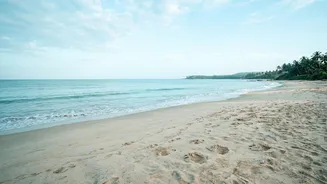
The proposal covers a wide swathe of Goa's famous coastline. In North Goa, ten beaches have been identified: Morjim, Mandrem, Ashvem, Keri, Arambol, Vagator, Baga, Calangute, Candolim, and Miramar. The list for South Goa is even more extensive, with fourteen beaches: Agonda, Galgibaga, Rajbag, Talpona, Palolem, Patnem, Cola, Cabo de Rama, Carmona, Cavelossim, Varca, Mobor, and Baina. For Canacona, the inclusion of eight of its beaches has raised considerable local attention, as it covers a substantial part of its coastline. This expansion signals a much more comprehensive approach to conservation, moving beyond the traditionally recognized sites.
What New Rules Could Be Imposed?
Official designation as a turtle nesting site under the CRZ notification would trigger stricter rules, especially during the nesting season, which typically runs from November to March. These restrictions would likely target activities known to disturb nesting turtles and disorient hatchlings. Potential regulations include tighter controls on artificial lighting and sound levels, meaning curbs on loud music and parties near the beach at night. Beach shacks might face new rules on their placement and operation. Other potential restrictions could involve vehicle movement on the sand and the organization of large events like beach weddings. The aim is to minimise human interference and give the turtles the dark, quiet environment they need.
Why These Protections Are Vital
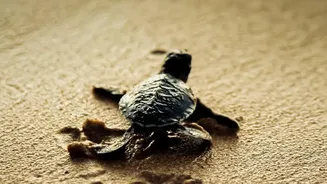
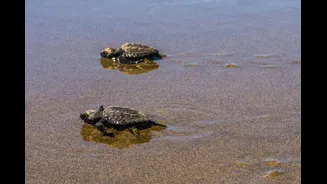
Olive Ridley turtles are a protected species, and their survival is under constant threat. Only one in a thousand hatchlings is estimated to survive to adulthood. Coastal development, light and noise pollution, and general human activity pose significant risks. Artificial lights from shacks and resorts can disorient female turtles looking for a place to nest and, more critically, lead newly hatched turtles away from the sea, where they are vulnerable to predators. Plastic waste and discarded fishing nets also present a deadly hazard. By formalising these beaches as nesting sites, the authorities can enforce measures that are crucial for giving each new generation of turtles a fighting chance.
The Impact on Tourism and Livelihoods
The proposal has understandably sparked concern among those whose livelihoods depend on beach tourism, including shack owners and traditional fishermen. They are seeking clarity on what the new rules will entail and how they will be implemented. Stakeholder groups like the Shack Owners Welfare Society have expressed that while they support conservation, they worry about the practical impact on their businesses, especially during the peak tourist season which coincides with the nesting period. Fishermen are also concerned about how the rules might affect traditional fishing practices. Proponents of the plan argue that conservation and tourism can coexist, and a collaborative framework is needed to balance environmental protection with the local economy.
What Visitors Can Do to Help
Even before any new rules are formally notified, visitors can play a crucial role in protecting these marine animals. During nesting season, it's vital to keep beaches dark and quiet at night. This means avoiding the use of flashlights or phone flashes near the shoreline. If you are lucky enough to see a nesting turtle or a hatchling, maintain a safe distance and never touch them or the nest. Respect all fenced-off areas and signs put up by the Forest Department, which often relocates vulnerable nests to protected hatcheries for safety. Finally, leaving the beach clean and free of litter is one of the simplest and most effective ways to help, as plastic and other waste are major threats to all marine life.