



The Dehydration Double-Cross
We all know that staying hydrated is the golden rule of summer survival. We drink litres of water, nimbu paani, and coconut water to keep our bodies cool and functioning. But that packet of masala chips or bowl of bhujia you’re munching on is actively
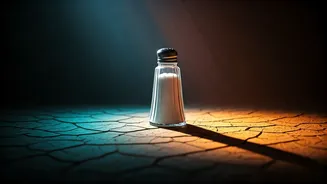
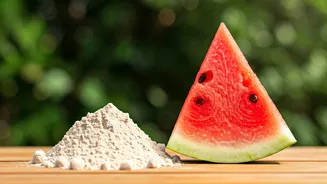
working against your best efforts. Here’s how: sodium, the primary component of salt, plays a crucial role in balancing fluids in your body. When you consume too much of it, your body needs more water to dilute the excess sodium in your bloodstream. This process pulls water out of your cells, leaving them dehydrated. This triggers a strong thirst signal, but if you’re already sweating in the summer heat, you’re starting from a hydration deficit. In essence, your favourite salty snack makes your body work overtime just to maintain its basic fluid balance, increasing your risk of dehydration when you can least afford it.
More Than Just Thirst
The problem with excess salt in summer isn't just about feeling extra thirsty. It creates a cascade of other uncomfortable effects. One of the most common is water retention and bloating. It sounds counterintuitive, but when your body senses high levels of sodium, it holds on to whatever water it has to maintain a stable internal environment. This can lead to puffiness in your hands, feet, and face — not exactly the light, energetic feeling you want on a hot day. Furthermore, a high-sodium diet is a well-known contributor to high blood pressure. In the summer heat, your cardiovascular system is already under stress as it works to regulate your body temperature. Adding the strain of elevated blood pressure from salty foods can put unnecessary pressure on your heart and blood vessels.
Identifying the Salty Culprits
Sodium is sneaky. It’s not just in the salt shaker on your table. Many of our go-to comfort foods and convenient snacks are loaded with it. Being mindful of these is the first step towards making a change. The most obvious sources are packaged snacks like potato chips, namkeen mixtures, salted nuts, and popcorn. But don't forget about processed foods, which rely heavily on salt for flavour and preservation. This includes everything from instant noodles and canned soups to frozen meals and processed meats like sausages and salami. Even seemingly healthy options like packaged sauces, ketchups, and salad dressings can contain surprisingly high amounts of sodium. Pickles (achar) and papads, beloved staples in Indian households, are also preserved with large quantities of salt and should be consumed in moderation during the hottest months.
Smarter, Hydrating Summer Swaps
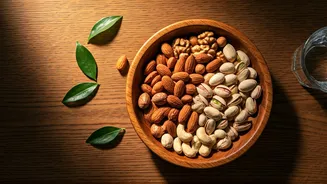
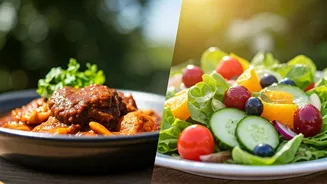
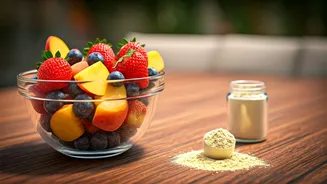
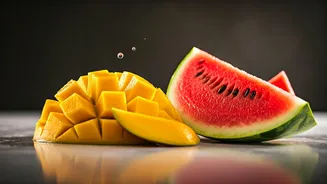
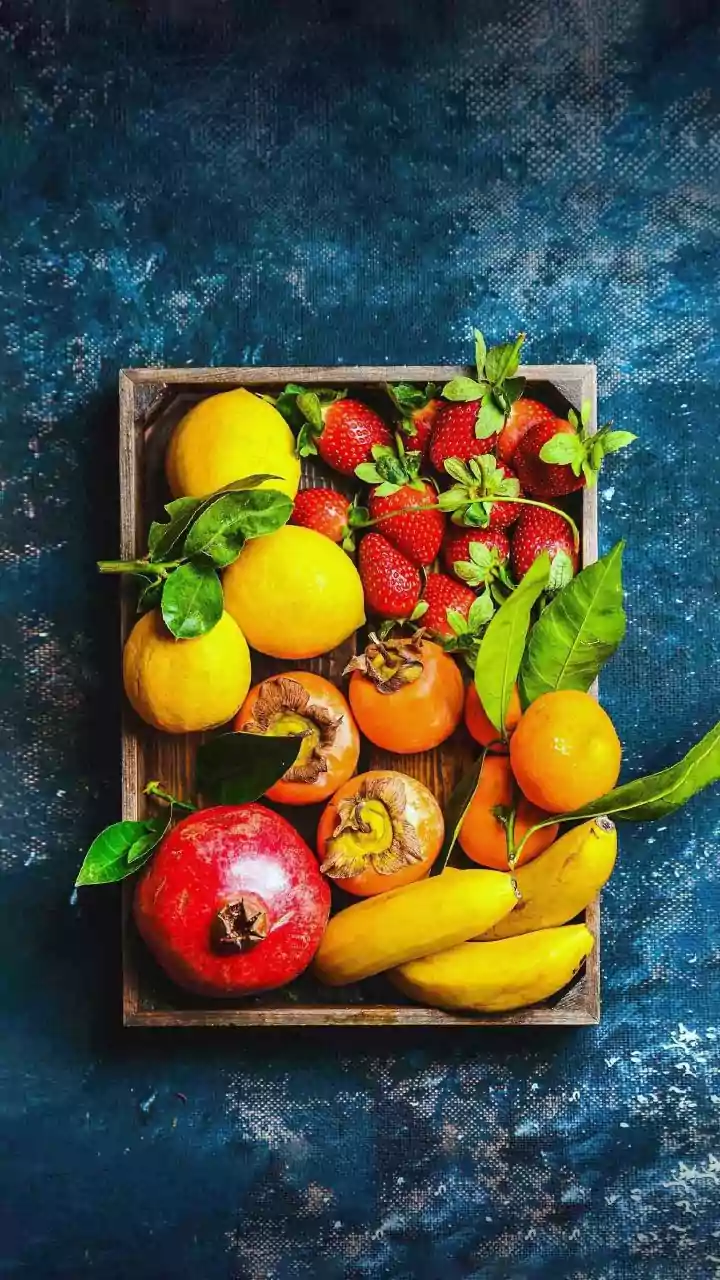
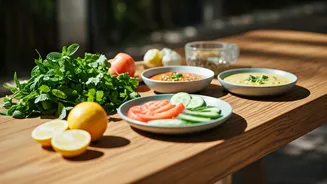
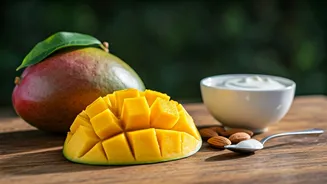
Giving up your salty habit doesn't mean you have to give up snacking. The trick is to swap high-sodium munchies for refreshing, hydrating alternatives that actually help your body cope with the heat. * **Reach for Fresh Fruit:** Watermelon, muskmelon, oranges, and pineapple are not only delicious but are also packed with water and essential electrolytes like potassium, which helps counteract sodium. * **Embrace Veggie Sticks:** Sliced cucumber, carrots, and bell peppers offer a satisfying crunch without the salt. Pair them with a homemade yogurt-based dip seasoned with herbs like mint and dill. * **Go for Unsalted Nuts:** If you love the crunch of nuts, choose raw or roasted unsalted varieties like almonds and walnuts. They provide healthy fats and protein to keep you full. * **Hydrate with Flavour:** Instead of a processed snack, have a glass of coconut water, a bowl of curd, or a cooling glass of buttermilk (chaas). These are naturally hydrating and contain beneficial nutrients.
Tips for a Low-Sodium Summer
Cutting back on salt doesn't have to be a painful process. Small, consistent changes can make a big difference. Start by reading the nutrition labels on packaged foods to become aware of their sodium content. When you cook at home, experiment with other flavour enhancers. Herbs and spices like black pepper, cumin, coriander, ginger, garlic, and a squeeze of lemon or lime can add incredible flavour to your dishes without a single grain of extra salt. Rinsing canned beans or vegetables before use can also wash away a significant amount of sodium. Most importantly, give your taste buds time to adjust. After a couple of weeks with reduced salt, you’ll start to appreciate the natural flavours of food more, and overly salty snacks might even begin to taste unpleasant.