


What Exactly Is Shoulder Season?
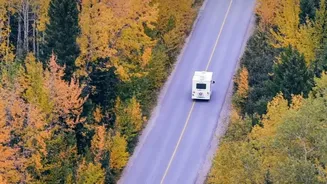
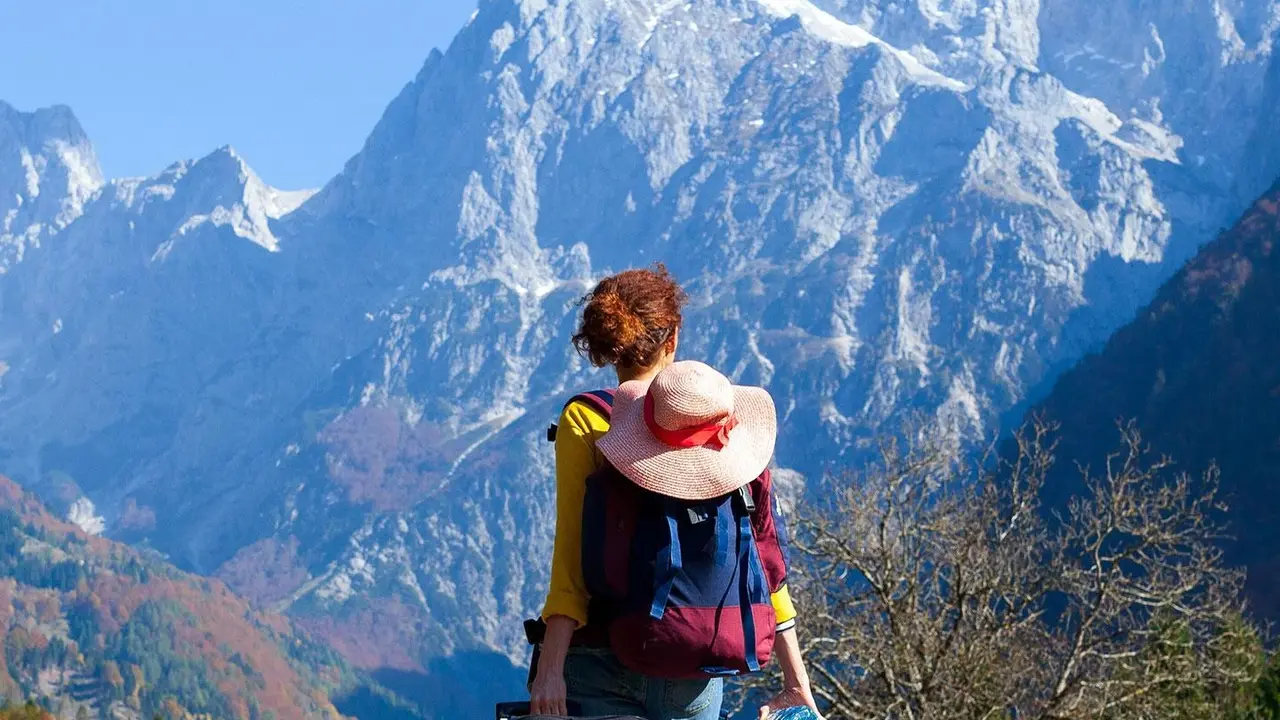
Shoulder season is the travel period between a destination's high (peak) and low (off-peak) seasons. Think of it as the time right before the main rush begins or just after it winds down. For many destinations in the Northern Hemisphere, this typically
falls in the spring (March-April) and autumn (September-October). However, the timing isn't universal; it depends entirely on the destination's climate and its main tourist attractions. For a ski resort, the shoulder season might be early spring when the snow is still good but the holiday crowds have left. For a beach town, it could be the months just outside of the main summer holidays. It’s the time when a destination lets out a collective sigh of relief, offering a more relaxed atmosphere.
The Big Wins: Why Travel in Shoulder Season?
The two biggest advantages are significantly lower costs and far fewer crowds. During shoulder months, the laws of supply and demand work in your favour. With less demand for flights and hotels, prices often drop considerably, allowing your budget to stretch further. You might be able to afford a nicer hotel or an extra activity that would be too expensive during peak season. The second major benefit is breathing room. Popular attractions that are usually swamped with tourists become more manageable. This means less time waiting in queues and more time actually enjoying the sights, leading to a more relaxed and authentic experience. The weather can also be a pleasant surprise, often providing a comfortable middle ground without the extreme heat of summer or the biting cold of winter.
Are There Any Downsides to Consider?
While shoulder season travel is fantastic, it's good to be aware of a few potential trade-offs. The biggest one is weather unpredictability. Because these periods are transitional, you might get perfect sunshine one day and chilly rain the next. The key is to pack smart with layers. Another point to consider is that some seasonal businesses might operate on reduced hours or may not be open at all. For example, a famous beach shack in Goa might be just setting up in October, or a ferry service in Greece might run less frequently than in peak summer. It's always a good idea to double-check opening times and transport schedules for any must-do activities on your list.
Finding the Shoulder Season for Popular Destinations
The timing of shoulder season varies greatly, so research is crucial. For Indian travellers, here are a few examples: Goa: While peak season is December and January, the shoulder months of October-November and March are fantastic. The weather is still beautiful, but the crowds are thinner and prices are more reasonable. Post-monsoon October, in particular, offers a lush, green Goa that many miss. Himachal Pradesh & Uttarakhand: The periods of March-April (before the summer rush) and September-October (after the monsoons) are ideal. You'll get clear mountain views without the peak season chaos of May and June. Europe: For many countries like Italy, Spain, and France, April-May and September-October are classic shoulder months. You avoid the intense summer heat and overwhelming crowds of June through August. Southeast Asia: In destinations like Thailand and Bali, the shoulder season often aligns with the periods just before or after the main monsoon season, such as April-June or September-October, but this can vary by region.
Tips for Your First Shoulder Season Trip
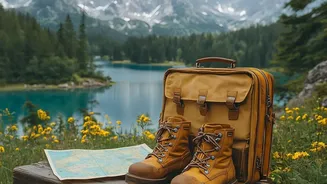
Ready to give it a try? Here are a few tips for a smooth first experience. First, be flexible with your dates if you can; this will help you snag the best deals on flights and accommodation. Second, pack layers. A light jacket, a sweater, and comfortable walking shoes are essential to handle any weather surprises. Third, while you don't need to plan every minute like you might for a peak season trip, it’s still wise to book popular tours or hotels in advance, as the best ones can still fill up. Finally, embrace a slower pace. Shoulder season travel is about enjoying the destination without the frenzy, so allow yourself the freedom to be spontaneous and discover hidden gems along the way.