



Welcome to the 'Ultra-Hot Jupiters'
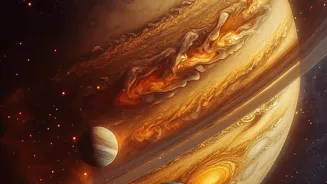
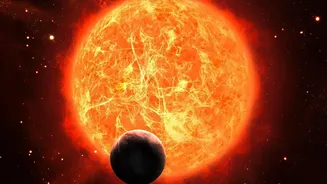
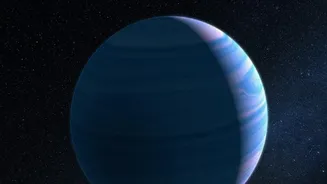
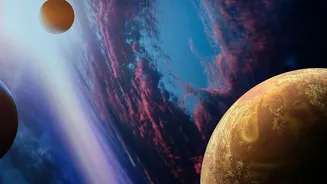
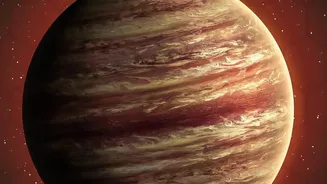
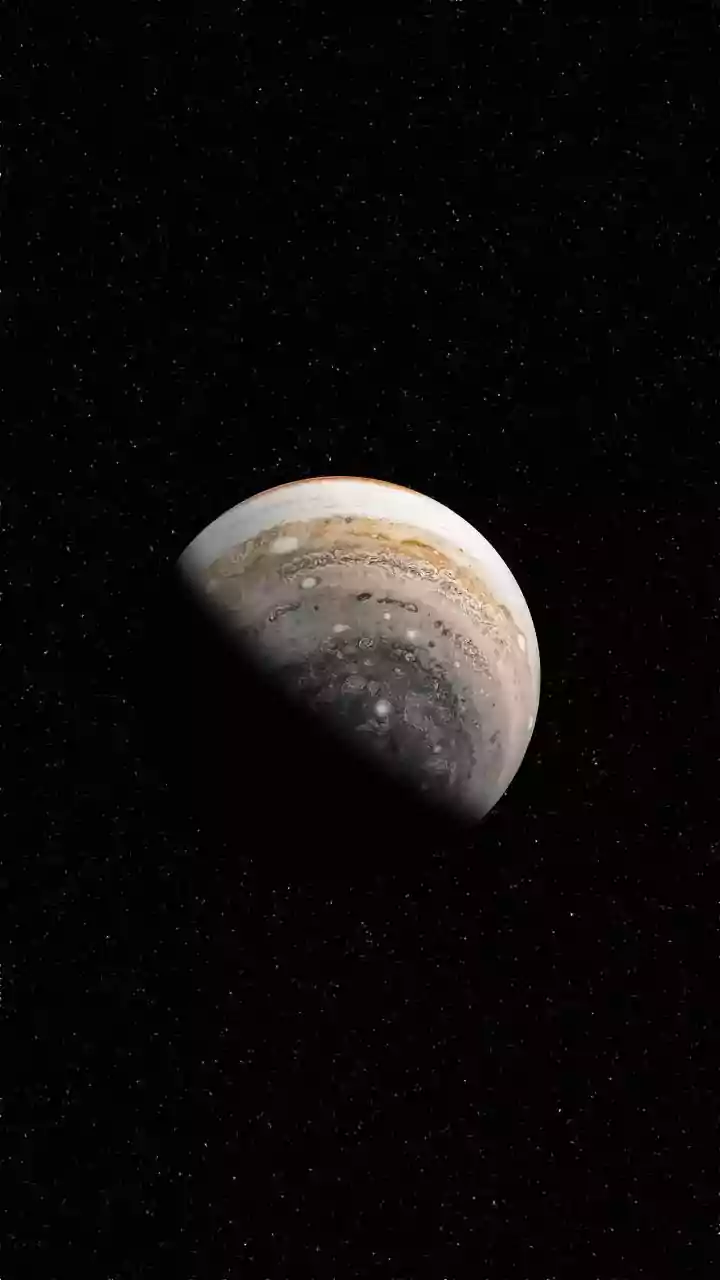
The planets where these extreme phenomena occur belong to a class known as 'ultra-hot Jupiters'. These are gas giants, similar in size to our own Jupiter, but they orbit perilously close to their parent stars. One such world, named WASP-76b, is located
about 640 light-years away in the constellation Pisces. It is 'tidally locked' to its star, meaning one side permanently faces the searing heat while the other is in perpetual darkness, much like how our Moon always shows the same face to Earth. This creates a world of two extremes. The dayside temperature on WASP-76b soars above 2,400 degrees Celsius, hot enough to vaporize metals, while the nightside is a relatively cooler 1,500 degrees.
The Science of Raining Metal
So how does it actually rain iron? On the scorching dayside of WASP-76b, the intense heat turns metals like iron into vapour. This gaseous iron is then swept towards the cooler nightside by powerful winds that whip around the planet at super-hurricane speeds. As the iron vapour reaches the planet's evening 'terminator'—the line between day and night—it encounters the much cooler environment. This sudden drop in temperature causes the iron to condense from a gas into liquid droplets. These droplets of molten iron then fall from the sky, creating a literal downpour of metal on the planet's dark side. It’s a stunning example of how chemistry and climate operate under conditions far more extreme than anything found in our solar system.
How Telescopes See Distant Weather
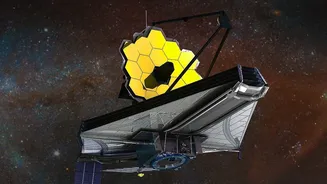
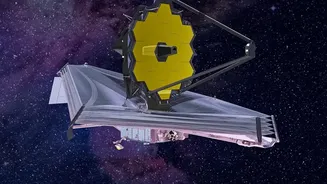
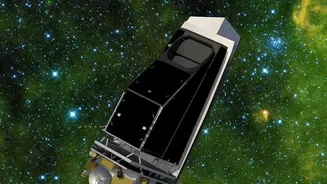
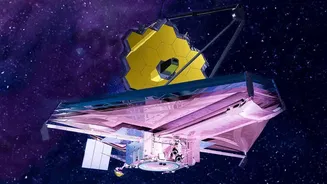
Detecting a chemical signature from hundreds of light-years away is a monumental technological feat. Astronomers achieve this using a technique called spectroscopy. When a planet like WASP-76b passes in front of its star, a tiny fraction of the starlight filters through the planet's atmosphere. Instruments on powerful telescopes can analyze this light, splitting it into a spectrum like a rainbow. Different elements and molecules absorb light at very specific wavelengths, leaving a unique 'barcode' or set of dark lines in the star's spectrum. For WASP-76b, scientists used the ESPRESSO instrument on the European Southern Observatory's Very Large Telescope in Chile. By observing the planet as it orbited, they detected a strong signature of iron vapour on the edge leading into night, but saw it disappear on the edge rotating into daylight, confirming that the iron had condensed and rained out on the nightside.
Why Mapping Alien Rain Matters
While the idea of iron rain is captivating, these findings are more than just cosmic curiosities. They provide a unique laboratory for understanding planetary atmospheres. By studying these extreme worlds, scientists can test and refine their models of climate and atmospheric chemistry, pushing them to their absolute limits. Each discovery about the weather on planets like WASP-76b or others where it might rain vaporized rock or even sapphires and rubies, helps us understand the sheer diversity of worlds that exist in our galaxy. This knowledge is a crucial piece of the puzzle in the broader search for other planets, helping scientists understand the complex processes that shape planetary environments. It's a reminder that the universe is filled with worlds more varied and bizarre than we can possibly imagine.