





Why Pollution Is Your Skin's Enemy
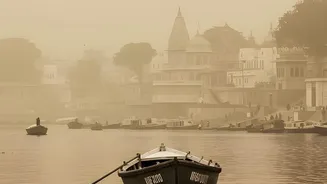
The air in Delhi during the hazy season is thick with microscopic particulate matter (PM2.5), soot, and other toxic pollutants. These particles are small enough to penetrate pores and settle deep within the skin. Once there, they generate free radicals—unstable
molecules that trigger oxidative stress. This process breaks down collagen and elastin, the proteins that keep skin firm and youthful, leading to premature wrinkles and fine lines. It also weakens the skin's natural protective barrier, a crucial shield that keeps moisture in and irritants out. A compromised barrier results in increased sensitivity, dryness, dehydration, and can worsen conditions like acne, eczema, and psoriasis.
The Instinct to Scrub Is Wrong
When your face feels grimy after a day out, the instinct is often to grab an abrasive scrub and slough it all away. However, this is one of the worst things you can do for pollution-stressed skin. Harsh physical scrubs, with ingredients like walnut shells or large granules, create micro-tears on the skin's surface. This aggressive action further damages the already weakened skin barrier, stripping away its natural oils and leaving it even more vulnerable to pollutants and bacteria. Over-scrubbing can lead to a cycle of irritation, redness, tightness, and inflammation, ultimately making your skin more reactive and less resilient. The goal is to remove impurities, not your skin's first line of defence.
Embrace the Gentle Cleansing Mindset
Gentle cleansing is about effectively removing dirt, oil, and pollutant particles without disrupting the skin's delicate balance. It starts with technique. Always use lukewarm water, as hot water can strip the skin of essential lipids. Apply your cleanser with your fingertips in soft, circular motions for about 30 to 60 seconds. Avoid rubbing or tugging at the skin. When you're done, pat your face dry with a soft, clean towel instead of rubbing it vigorously. For those living in highly polluted environments, a double-cleanse in the evening is highly recommended. Start with an oil-based cleanser to dissolve makeup, sunscreen, and the oily grime that pollutants cling to. Follow up with a mild, water-based cleanser to wash everything away, leaving your skin perfectly clean but not stripped.
How to Choose the Right Cleanser
The cleanser you choose is critical. Look for formulas labelled 'gentle', 'hydrating', and 'fragrance-free'. Steer clear of products containing harsh sulfates like Sodium Lauryl Sulfate (SLS), which create a satisfying foam but can be extremely stripping. Instead, seek out cleansers with barrier-supporting ingredients. Ceramides, glycerin, and hyaluronic acid are excellent choices as they help to hydrate and reinforce the skin's structure. Niacinamide is another hero ingredient that can help calm inflammation and support barrier function. The texture of your cleanser matters too. If your skin is dry or sensitive, a cream or milk-based cleanser will provide comfort and hydration. If you have oily or combination skin, a lightweight gel cleanser can effectively clean without causing dryness.
Build a Protective Skincare Shield
Cleansing is just the first step. To fully protect your skin from the hazy season, your follow-up routine is just as important. After cleansing, while your skin is still slightly damp, apply a moisturizer rich in barrier-repairing ingredients to lock in hydration. In the morning, an antioxidant serum containing Vitamin C or E can help neutralize the free radicals generated by pollution during the day. Finally, never skip sunscreen, even when it's grey and smoggy outside. UV rays can penetrate clouds and haze, and their damaging effects are magnified by pollution. A broad-spectrum sunscreen with at least SPF 30 is non-negotiable to protect against this double assault.