






The Science of Irresistible
Hyper-palatability is a term food scientists use to describe foods engineered to be intensely pleasurable to eat. These aren't your average home-cooked meals. They are industrial formulations that combine specific ratios of fat, sugar, sodium, and carbohydrates
to a point that bypasses the body's natural fullness signals. Think of the bliss point in a creamy dessert, the satisfying crunch of a salted crisp, or the rich combination in a cheesy snack. Food companies invest heavily in research to find these perfect combinations, creating a sensory experience that our brains find almost impossible to resist. These foods are designed to be more rewarding than anything found in nature, which typically features one dominant flavour profile, like the sweetness of fruit or the fat in nuts.
Your Brain on 'Diet' Snacks
When you eat a hyper-palatable food, it triggers the reward centre of your brain, releasing a feel-good chemical called dopamine. This is the same system activated by other pleasurable activities. The problem is, the intense reward from these engineered snacks can be so powerful that it creates a feedback loop. Your brain essentially says, "That was amazing, do it again!" This leads to what researchers call "conditioned hypereating." Over time, your brain can become desensitised, meaning you need to eat more of the snack to get the same pleasurable feeling, which is a classic feature of addictive behaviour. This biological response, not a lack of discipline, is what drives the uncontrollable urge to finish the entire packet.
The Deception of 'Healthy' Packaging
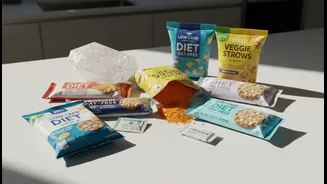
Herein lies the trap with "diet" or "healthy" snacks. Marketers are experts at using appealing language like "baked, not fried," "low-fat," "high-fibre," or "all-natural" to make a product seem like a virtuous choice. However, many of these products still fall into the hyper-palatable category. To compensate for reducing one component, like fat, manufacturers often increase others, such as sugar and sodium, to maintain that irresistible taste and texture. A low-fat granola bar might be loaded with sugar, or baked veggie crisps might have a high sodium content to make them moreish. The 'healthy' branding simply provides a permission slip to indulge, making it even harder to recognise that the product is designed to make you overeat.
How to Escape the Trap
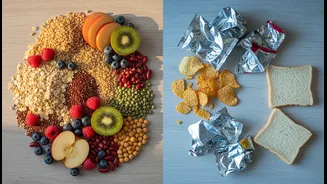
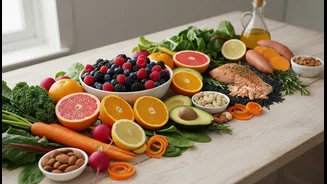
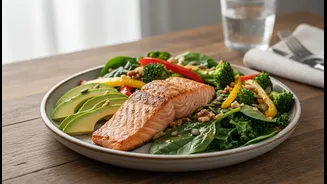
Recognising the hyper-palatability trap is the first step towards taking back control. It shifts the blame from a perceived personal failing to an understanding of food science and marketing. The most effective strategy is to prioritise whole, unprocessed foods. Unlike their packaged counterparts, apples, almonds, carrots, and yoghurt provide nutrients without being engineered to override your appetite. When you do buy packaged snacks, become a savvy label reader. Be wary of long ingredient lists with unfamiliar chemical names, and pay close attention to the levels of sugar, fat, and sodium. Another helpful trick is to practice mindful eating: eat slowly, savour each bite, and give your brain time to receive satiety signals. This helps weaken the power of the conditioned response that hyper-palatable foods are designed to create.