







The Monsoon Health Paradox
The arrival of the monsoon is a welcome relief from the scorching summer heat. But this season of rejuvenation also brings a host of health challenges. The damp, humid environment is a breeding ground for bacteria, viruses, and fungi, leading to a spike
in water-borne and food-borne illnesses like typhoid, cholera, and gastroenteritis. Our immunity often takes a slight dip, and our digestive system can become more sensitive. This is why traditional wisdom and modern science both advise a more careful approach to what we eat and drink, especially when it comes to raw foods.
Why Sprouts Are a Special Concern
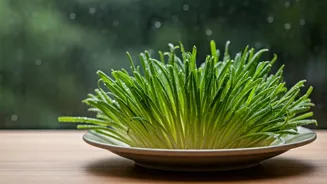
Sprouts, including popular varieties like moong, alfalfa, and radish, are universally hailed as superfoods. They are rich in protein, fibre, and enzymes. However, the very process that makes them sprout also makes them risky during the monsoon. Sprouting requires warm, humid conditions—exactly the environment that bacteria such as E. coli and Salmonella thrive in. The seeds themselves can be contaminated, and the sprouting process can multiply this bacteria count exponentially. While this risk exists year-round, the high ambient humidity and moderate temperatures of the Indian monsoon create the perfect incubator, significantly increasing the chances of contamination that can lead to severe food poisoning.
The Ayurvedic View on Raw Foods
Ayurveda, India's ancient science of life, has long advised against consuming raw foods during the rainy season, or 'Varsha Ritu'. According to Ayurvedic principles, the 'Agni', or digestive fire, is naturally at its weakest during this time. The damp and cool weather is believed to slow down our metabolism. Raw foods, especially salads and sprouts, are considered 'heavy' and difficult to digest. Consuming them can further burden the digestive system, leading to issues like bloating, gas, and indigestion. Instead, Ayurveda recommends light, warm, and well-cooked meals to support digestion and maintain balance in the body.
Cook Them: The Safest Way Forward
This doesn't mean you have to banish sprouts from your kitchen entirely. The solution is simple: cook them. Heat effectively kills harmful bacteria, making sprouts safe to eat. Instead of adding raw moong sprouts to your salad, try these methods: - **Steam:** Steam them for 5-7 minutes until they are tender but still have a slight crunch. This is one of the healthiest ways to prepare them. - **Sauté or Stir-fry:** Toss them in a hot pan with a little oil and your favourite spices. They make a great addition to a vegetable stir-fry or can be cooked into a delicious sabzi. - **Boil:** Add them to soups, dals, or curries. Boiling ensures they are thoroughly cooked and absorb the flavours of the dish. A simple 'misal pav' or a sprouted moong dal are excellent monsoon choices. By cooking them, you get all the nutritional benefits without the risk.
Smart Monsoon Protein Alternatives
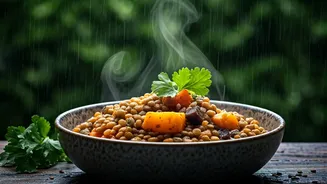
If you rely on raw sprouts as a quick protein source, the monsoon is a great time to explore other options that are both safe and nutritious. Focus on cooked protein sources that are easy on the stomach. Consider incorporating more cooked lentils and legumes into your diet—a warm bowl of dal or a hearty chana masala is perfect for a rainy day. Besan (gram flour) is incredibly versatile and can be used to make cheelas or dhoklas. For non-vegetarians, well-cooked eggs and chicken soups are excellent. Paneer, cooked into a curry or lightly sautéed, is another fantastic protein-rich alternative that is generally well-tolerated during this season.