






What Exactly Are Portable Solar Sheets?
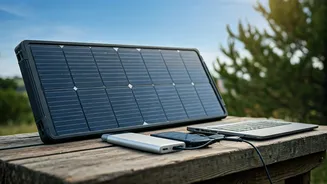
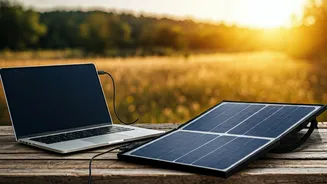
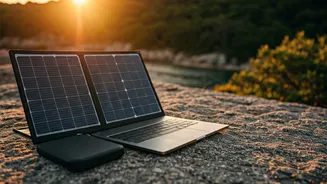
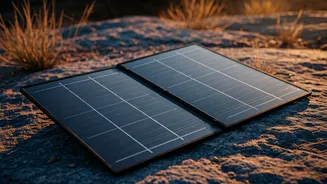
Imagine a flexible, foldable mat that you can pack in a rucksack. Unfurl it under the sun, and it starts generating electricity. That’s the magic of a portable solar sheet. Unlike the large, rigid panels on rooftops, these are designed for mobility. They
are made of lightweight photovoltaic cells woven into a durable fabric casing, often with loops to attach them to a backpack or tent. Their primary job is simple: to capture sunlight and convert it into DC power that can charge small electronic devices like smartphones, power banks, GPS units, and headlamps via built-in USB ports. They are the modern explorer's best friend, providing energy independence whether you're camping in the Western Ghats, on a long train journey, or simply facing an unexpected power outage at home.
The Key: Charging a Power Bank, Not Your Phone
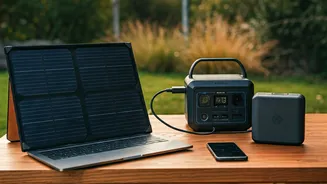
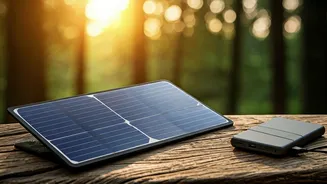
Here's the most important tip for any new user: don't plug your phone directly into the solar panel. While it seems logical, it’s inefficient and can even be hard on your phone's battery. Solar output fluctuates constantly as clouds pass or the sun's angle changes. These fluctuations can cause a phone to repeatedly start and stop charging, which is inefficient. The smarter strategy is to use the solar sheet to charge a power bank. A power bank has a battery that is designed to handle this variable input gracefully. It will patiently soak up every bit of energy the panel produces throughout the day. Then, in the evening or when you need a stable charge, you can use the fully charged power bank to quickly and safely top up your phone, camera, or other devices. Think of the panel as the harvester and the power bank as the storage silo.
What to Look For When Choosing One
Navigating the market can be confusing, but focus on four key things. First is wattage (W). A higher wattage means faster charging. For charging a power bank or a smartphone, a 15W to 25W panel is a good starting point. Anything less might be frustratingly slow. Second is portability. Check the folded size and weight. You want something that fits your travel style. Third is durability. Look for panels with a rugged, water-resistant canvas backing and laminated cells. An IP rating (e.g., IP65) indicates its resistance to dust and water. Finally, check the output ports. Modern panels should have at least one USB-A port, and higher-end models will offer a USB-C port with Power Delivery (PD) for faster charging of compatible devices.
Maximising Your Solar Harvest
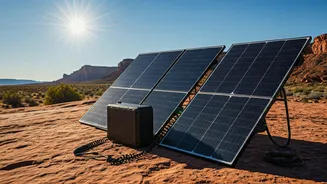
Owning a solar panel is one thing; using it effectively is another. Success depends on the sun. You need direct, bright sunlight for optimal performance. Overcast skies will produce a trickle of power, if any. The angle of the panel to the sun is critical. For best results, position the panel so it's perpendicular to the sun's rays. This might mean adjusting it every hour or so as the sun moves across the sky. Many users prop their panels up with rocks or hang them from a branch to achieve the perfect angle. Keep the surface clean; dust, dirt, and even water droplets can reduce efficiency. A quick wipe with a soft cloth can make a noticeable difference in the power you generate.
Managing Your Expectations
Portable solar is a game-changer, but it’s not a wall socket. It’s important to have realistic expectations. The charging times advertised by manufacturers are usually based on perfect, lab-like conditions: clear skies, midday sun, and perfect panel orientation. In the real world, it will almost always take longer. A 20W panel might take a full day of good sun to charge a 10,000mAh power bank. These sheets are also not designed for high-power devices. While they are perfect for phones, GPS units, and smartwatches, they will struggle to charge a laptop. For that, you would need a much larger, heavier, and more expensive setup with a dedicated portable power station. Their strength lies in keeping your small, essential communication and navigation devices alive when no other option exists.