

Start With a Plan, Not Just a Plant
Before you head to the nursery, take a moment to assess your space. Good indoor plant design starts with understanding your room's conditions. Notice where the light falls throughout the day. Does a corner get bright, indirect sun, or is it mostly in low
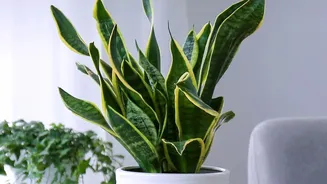
light? This will determine which plants will thrive. Consider the function of the room. A busy living room requires different plant placements than a quiet bedroom. Starting with a small collection of easy-care plants like the Snake Plant, ZZ Plant, or Money Plant (Pothos) can help you build confidence. The goal is to choose plants that work with your room's light, scale, and style, not against them.
Think Vertically to Save Space
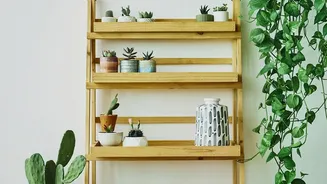
One of the most effective ways to add greenery without cluttering your floor is to go vertical. Using hanging planters, wall-mounted shelves, or trellises draws the eye upward and makes a room feel more dynamic. Trailing plants like Pothos or Philodendrons are perfect for this, as their cascading vines add a soft, organic element. You can frame a window with hanging baskets or create a living wall feature on an empty stretch of wall. This strategy not only saves precious floor space in smaller rooms but also adds a captivating visual layer that feels intentional and stylish.
Create a Statement with a Focal Point
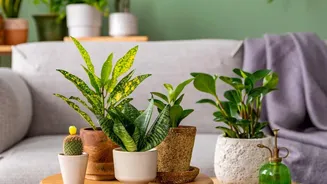
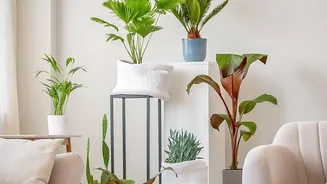
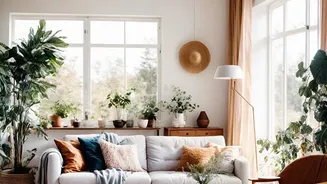
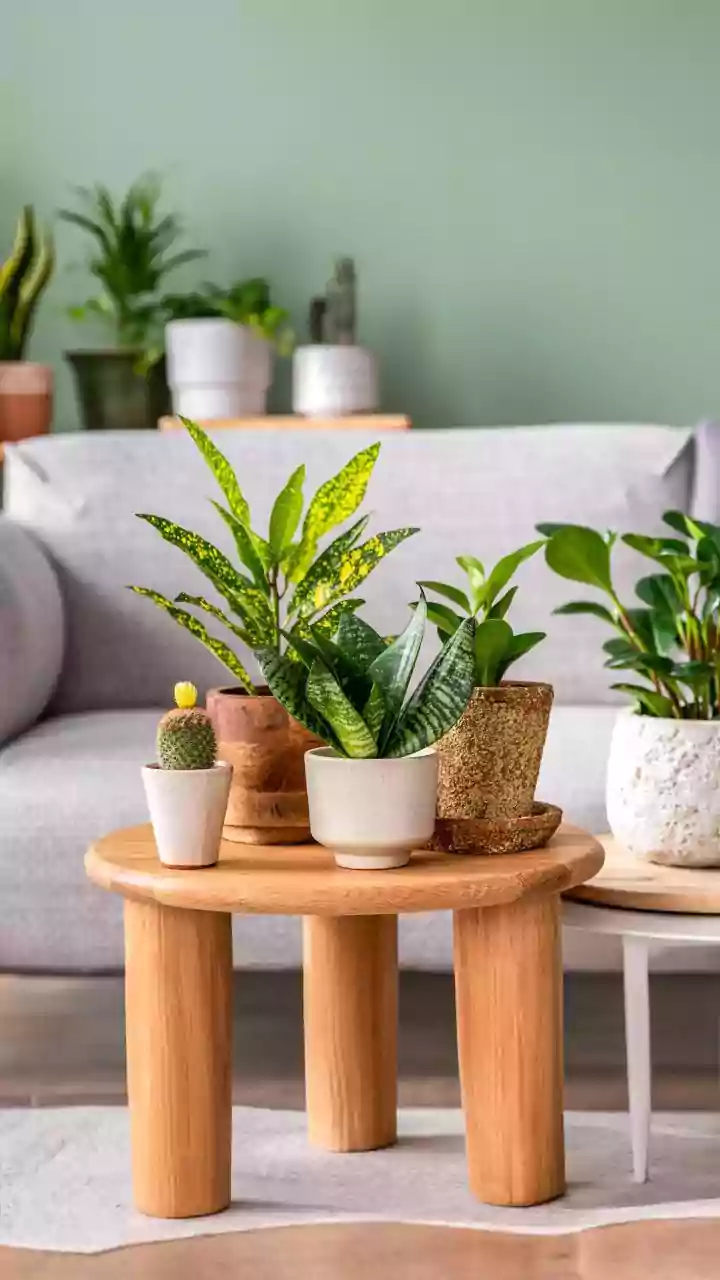
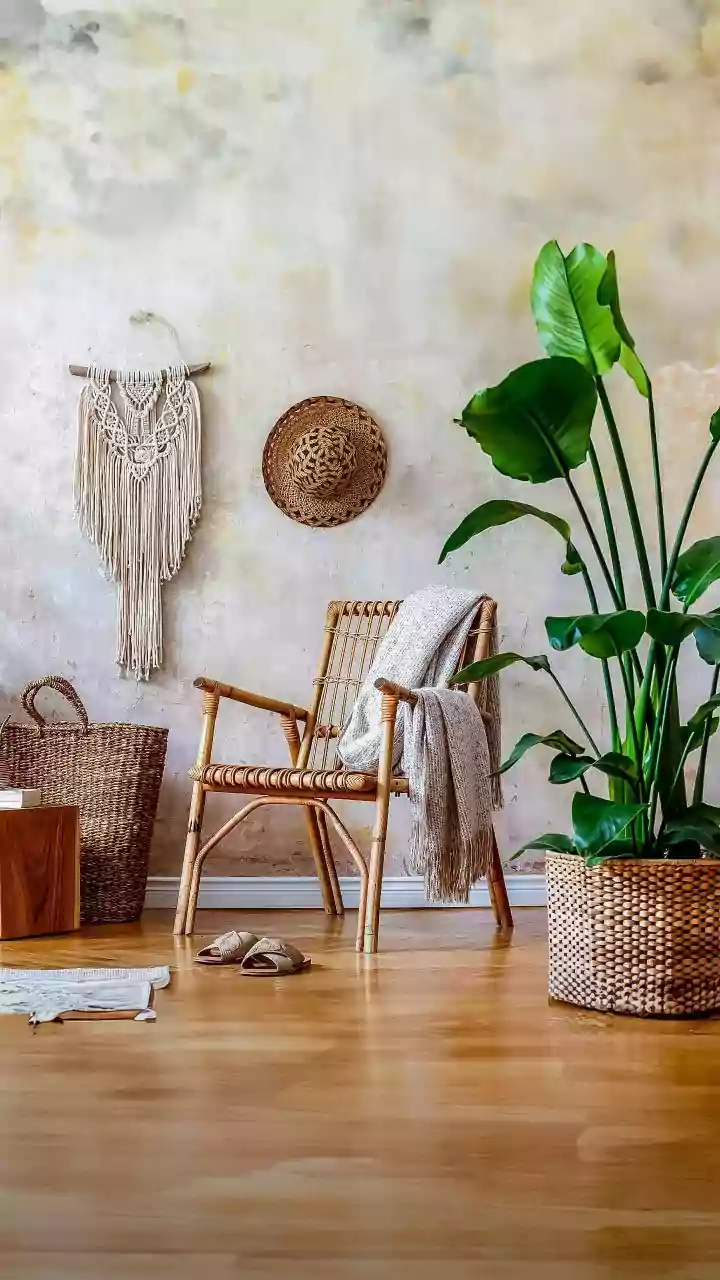
A single, large plant can have more impact than a dozen small ones scattered around. Placing a tall specimen like a Fiddle Leaf Fig, a Bird of Paradise, or an Areca Palm in an empty corner can instantly anchor the room and create a powerful focal point. These 'statement plants' act like living sculptures, adding drama and a sense of completeness. Alternatively, you can create a focal point by grouping several plants of varying heights and textures together. An odd number, like three or five, is often most visually appealing. This cluster can fill a bare corner, sit beside a sofa, or define a small area like a reading nook.
Play with Pots and Planters
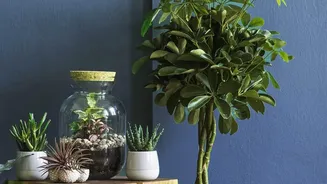
The container your plant lives in is a crucial part of the decoration. Don't overlook the power of a good pot. You can create a cohesive, unified look by using planters of the same colour or material, such as terracotta. For a more eclectic, bohemian vibe, mix and match pots of different colours, shapes, and textures. Think of planters as decorative accents that tie into your room's existing style. Leaving a plant in its plastic nursery pot can be practical, but dropping it into a more stylish decorative planter instantly elevates the look. This simple swap is a low-effort way to add a touch of personality.
Use Plants with Purpose
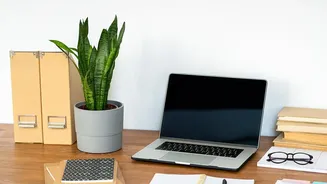
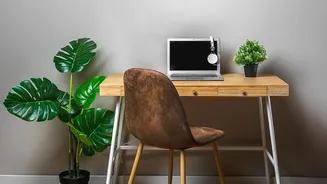
Beyond just looking pretty, plants can serve a functional design purpose. A row of tall plants on a shelf or a large plant can act as a natural room divider in an open-plan space, creating a sense of separation without blocking light. Have an awkward corner with unsightly wires? A lush floor plant can hide them perfectly. In a home office, a few small plants on the desk can create a more pleasant and creative work environment. In a bathroom, humidity-loving plants like ferns or Peace Lilies can evoke the feeling of a luxurious spa. By thinking about what you want a plant to 'do' in a space, you can make smarter, more impactful decorating choices.
The Right Plant for Indian Homes
Choosing plants that thrive in typical Indian climates is key to long-term success. For living rooms, options like the Areca Palm, Snake Plant, and Money Plant are popular for their resilience and air-purifying qualities. The Snake Plant and ZZ Plant are particularly great for bedrooms or lower-light areas, as they are tough and require minimal care. The Peace Lily, with its elegant white flowers, also does well indoors and signals when it needs water by drooping slightly. For smaller spaces like a desk or shelf, a compact Jade Plant or Lucky Bamboo can add a touch of green without taking up much room.