



The Science of Heat: Conductivity vs. Retention
Before comparing materials, it helps to understand two key ideas: heat conductivity and heat retention. Heat conductivity is how quickly a material heats up and transfers that heat to your food. Materials with high conductivity, like copper and aluminum,
heat up fast and respond quickly to temperature changes. Heat retention is how well a material holds onto heat once it gets hot. Materials with high retention, like cast iron, take longer to heat up but stay hot for a long time, providing steady, even heat. The ideal pan depends on balancing these two properties for the specific dish you're making.
Stainless Steel: The Versatile Workhorse
Stainless steel is a durable and non-reactive material, making it a favourite in both home and professional kitchens. It's excellent for getting a great brown sear on meats and vegetables, and because it's not non-stick, it allows flavourful browned bits (or 'fond') to form, which are perfect for making pan sauces. On its own, stainless steel isn't a great heat conductor. That's why high-quality stainless steel pans have a core of a more conductive metal, like aluminum or copper, sandwiched between layers of steel. This 'cladding' provides the best of both worlds: the durability and non-reactive surface of steel with the even heating of aluminum or copper. They are great all-rounders for sautéing, frying, and boiling.
Cast Iron: The Champion of Heat Retention
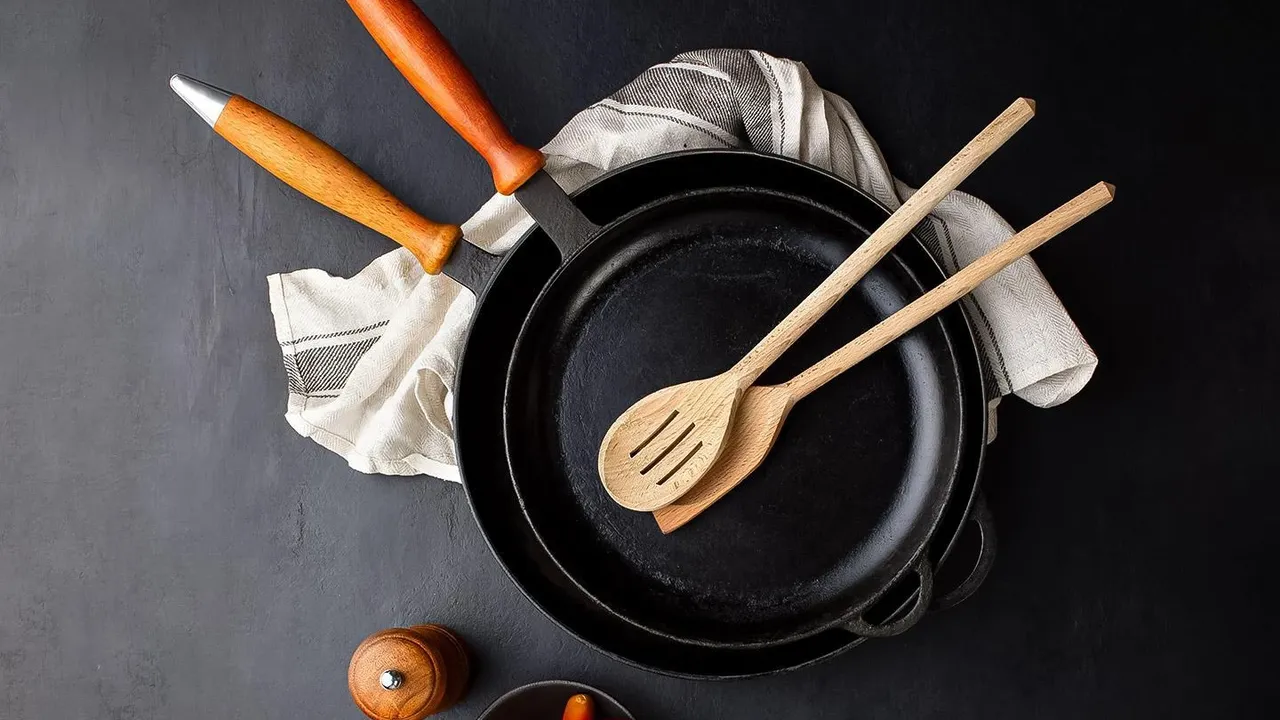
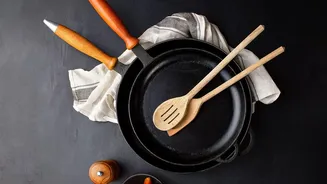
When it comes to holding heat, nothing beats cast iron. Though it's slow to heat up, once it reaches temperature, it stays incredibly hot, providing the consistent, powerful heat needed for a perfect sear on a steak or a crispy crust on cornbread. This excellent heat retention also makes it ideal for slow-cooking stews and braises, as it maintains a steady simmer without much fuss. Bare cast iron requires some maintenance—it needs to be 'seasoned' with oil to create a natural non-stick surface and must be hand-washed and dried thoroughly to prevent rust. Its main drawbacks are its heavy weight and its reactivity with acidic foods like tomatoes, which can strip the seasoning and impart a metallic taste.
Enameled Cast Iron: The Best of Both Worlds
Enameled cast iron offers the same fantastic heat retention as its bare counterpart but comes with a major advantage: a smooth, non-reactive coating of enamel. This glass-like layer is fused to the iron, making the pot easy to clean and eliminating the need for seasoning. The enamel coating also means you can safely cook acidic dishes like tomato sauces or wine-based braises without worrying about the metal reacting with your food. It's perfect for slow simmering, braising, and baking bread, moving seamlessly from stovetop to oven. While the enamel can be chipped with rough handling, it provides the benefits of cast iron without the high-maintenance care routine.
Non-Stick: For Delicate Foods and Easy Cleanup
Non-stick pans, typically made from aluminum with a special coating, are prized for their convenience. The slick surface allows for cooking with little to no oil, making them perfect for delicate items like eggs, pancakes, and fish fillets that are prone to sticking. Because aluminum is an excellent heat conductor, these pans heat up very quickly. However, most non-stick coatings are not designed for high-heat cooking, which can cause the coating to degrade over time. They are not the best choice for searing meat, as they don't promote the browning that builds deep flavour. Think of them as specialists for low-to-medium heat tasks and easy cleanup.
Copper: The Precision Professional
Copper is the ultimate material for heat conductivity, heating up almost instantly and responding immediately to changes in temperature. This gives the cook incredible control, which is why copper pans are prized by professional chefs for delicate tasks like making caramel, candy, or complex sauces that can easily burn. However, this performance comes at a high price, and copper requires significant maintenance to keep its shine. Pure copper is also reactive, so most modern copper cookware is lined with a non-reactive material like stainless steel. Its high cost and maintenance make it a luxury item for most home kitchens.