



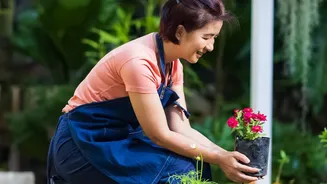

Choosing Your Monsoon Champions
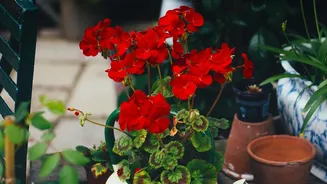
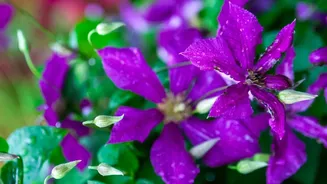
The key to a thriving monsoon balcony garden is selecting plants that love the humidity and moisture of the season. You don't need a large space to enjoy vibrant colours. Consider classics like Balsam (Gul Mehendi), which produces beautiful pink and purple
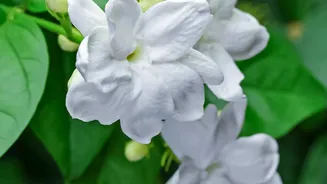
flowers and thrives in moist conditions. Marigolds are another fantastic choice; they are hardy, add a splash of bright yellow and orange, and even help repel common garden pests. For a touch of tropical elegance, Hibiscus plants produce large, stunning blooms during this time. If you love fragrance, the scent of Jasmine (Mogra) after a fresh spell of rain is an unmatched experience. And for a magical surprise, plant some Rain Lily bulbs; they famously sprout delicate flowers almost immediately after a good shower. These plants are well-suited to the Indian monsoon and can bring life to even the smallest of spaces.
The Foundation: Pots and Soil
The single most important factor for monsoon gardening is drainage. Continuous rain can easily lead to waterlogged soil, which suffocates roots and causes them to rot. To prevent this, ensure every pot has at least one, preferably more, drainage holes at the bottom. Terracotta or clay pots are often better than plastic as their porous nature allows excess moisture to evaporate. It's also a good idea to elevate your pots slightly off the ground using pot feet, bricks, or even broken tile pieces. This small gap prevents the drainage holes from getting blocked and ensures water can flow out freely. When preparing your soil, use a well-aerating mix. Instead of using heavy garden soil alone, mix it with coco peat or coarse sand to lighten the texture and improve its drainage capabilities.
Smart Watering and Monsoon Care
A common mistake is assuming that you don't need to water your plants at all during the monsoon. While the rain will do much of the work, there can be dry spells. Always check the soil before watering. The best way is to stick your finger an inch or two into the soil; if it feels dry, it's time to water, but if it's moist, you should wait. High humidity also creates a favourable environment for fungal diseases and pests. To combat this, ensure there is good air circulation between your plants by not overcrowding them. Regularly prune any yellowing leaves or spent flowers to maintain plant health and encourage new growth. A preventive spray of neem oil solution every couple of weeks can also help keep common pests and fungal issues at bay.
Beyond Flowers: Edibles and Foliage
Your monsoon balcony doesn't have to be limited to just flowers. The season is perfect for growing a variety of herbs and leafy greens that thrive in the weather. Consider planting a pot of mint (pudina) or coriander (dhania) for fresh additions to your kitchen. These herbs grow quickly in the humid conditions. Leafy greens like spinach also do very well. For purely decorative greenery, many foliage plants experience a growth spurt during the monsoon. Ferns, Money Plants, and Syngoniums love the high humidity and will add lush, dense texture to your green corner. Even some indoor plants like Peace Lilies and Philodendrons can be moved to a sheltered balcony spot to enjoy the fresh air and ambient moisture.
Creating a Relaxing Atmosphere
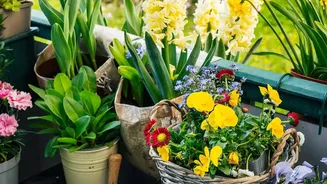
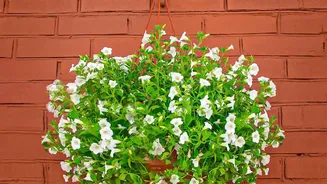
The final step is to arrange your green space to be a true corner of relaxation. Think vertically to save floor space. Use railing planters, hanging baskets for trailing plants like Money Plant, and tiered shelves to create layers of green. Arrange plants of different heights and textures together to create a more natural, garden-like feel. Place a comfortable, weather-resistant chair or a few floor cushions in a dry spot. You can also add small touches like wind chimes or a few solar-powered fairy lights for the evening. The goal is to create a personal oasis where you can sit with a cup of tea, enjoy the petrichor, and watch the rain fall on your own flourishing garden.