






The Science of Staying Cool
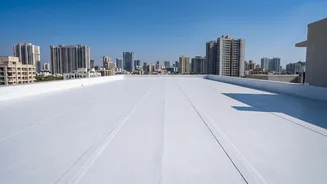
The concept behind a 'cool roof' is brilliantly simple. Traditional roofs, especially dark-coloured ones made of asphalt or concrete, absorb a huge amount of sunlight and convert it into heat. This heat not only warms up the building underneath but also
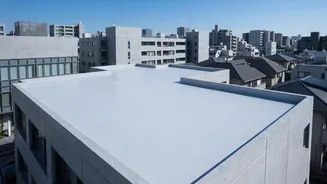
radiates back into the surrounding air, contributing to the 'urban heat island' effect that makes cities several degrees hotter than nearby rural areas. A cool roof does the opposite. By using a coating with high solar reflectance, it acts like a mirror, bouncing a majority of the sun's radiation back into the atmosphere before it can be absorbed. These coatings also have high thermal emittance, meaning they efficiently release what little heat they do absorb. The result is a roof surface that stays dramatically cooler throughout the day.
The Five-Degree Difference: A Reality Check
The headline claim of reducing room heat by up to five degrees is ambitious but achievable under the right conditions. It is crucial to distinguish between surface temperature and indoor air temperature. The temperature of the roof surface itself can drop by as much as 30°C compared to a conventional roof. This drastic reduction on the surface means less heat is transferred into the building. Studies and real-world applications have shown that this can lead to a reduction in indoor ambient temperatures, typically in the range of 2°C to 5°C. For instance, a scientific trial in Ahmedabad found that cool roofs reduced indoor temperatures, making homes more comfortable. The exact reduction depends on factors like building insulation, ventilation, and roof material, but even a two or three-degree drop provides significant relief during a blistering heatwave.
More Than Just Comfort: The Ripple Effects
The benefits of cool roofs extend far beyond just feeling more comfortable. For households with air conditioning, a cooler building means the AC unit doesn't have to work as hard, leading to significant energy savings. Studies suggest cool roofs can cut peak cooling demand by 11–27%, which translates directly into lower electricity bills. This reduced energy consumption also eases the strain on the city's power grid, especially during peak summer demand, helping to prevent brownouts. Furthermore, by lowering ambient temperatures, widespread adoption of cool roofs can help mitigate the larger urban heat island effect, making the entire city more liveable. They also protect the roof itself from UV damage and extreme temperature fluctuations, extending its lifespan.
The Indian Context: From Ahmedabad to Hyderabad
Indian cities are at the forefront of the battle against extreme heat, and cool roofs are emerging as a key weapon. Following a deadly heatwave in 2010, Ahmedabad became a pioneer, implementing a Heat Action Plan that includes a major cool roofs initiative. The city has focused on its most vulnerable populations, applying reflective coatings to thousands of homes in slum communities and on public buildings. Residents reported not only feeling cooler but also seeing a drop in their electricity bills. The success in Ahmedabad has inspired other cities. Hyderabad, for instance, has launched its own cool roof policy, aiming to mandate and encourage the use of reflective roofing materials across the city to combat rising temperatures. These initiatives show a growing recognition of cool roofs as a practical, scalable, and cost-effective strategy for climate adaptation in India.
Challenges and the Path Forward
While the benefits are clear, there are practical considerations. The performance of a cool roof depends on its cleanliness; dust and pollution can reduce its reflectivity over time, so periodic cleaning may be required. There is also an initial cost for the coating material and application, though this is often offset by energy savings in the long run. In colder regions, a 'heating penalty' could occur in winter, as the reflective roof would not absorb the sun's warmth, but for most of India's hot climate, the summer cooling benefits far outweigh any winter drawbacks. The key to success lies in supportive municipal policies, public awareness campaigns, and making these coatings affordable and accessible. By integrating cool roofs into building codes for new constructions and promoting retrofitting for existing buildings, Indian cities can take a significant step towards a cooler, more sustainable future.