




The Real Culprit: Poor Drainage
Before you rush to buy a larger container, consider a more common and sinister issue: poor drainage. When water cannot escape, the soil becomes waterlogged. This suffocates the plant's roots, depriving them of the oxygen they need to function. Healthy
roots are essential for absorbing water and nutrients; without air, they begin to decay, leading to a condition known as root rot. This creates a breeding ground for fungus and bacteria, which can quickly kill a plant. Ironically, a plant suffering from root rot often looks wilted, mimicking the signs of being thirsty. This can trick well-meaning gardeners into watering it even more, worsening the problem. Proper drainage isn't just about letting water out; it's about maintaining a healthy balance of moisture and air that allows roots to thrive.
Reading the Warning Signs
Your plant will tell you when it’s struggling with waterlogged soil. The key is to know what to look for. One of the most common indicators is yellowing leaves, especially the lower ones. You might also notice stunted growth, where the plant seems to have stopped producing new leaves entirely. If the soil surface has a musty smell, or you see mold or a persistent swarm of tiny fungus gnats, it's a clear sign that conditions are too wet. Another tell-tale symptom is when the plant wilts even though the soil feels damp to the touch. This happens because the rotting roots can no longer transport water to the leaves. If you notice any of these signs, it's time to investigate the drainage situation.
How to Diagnose a Blockage
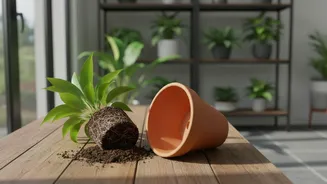
Diagnosing a drainage problem is simpler than it sounds. First, stop watering the plant to let the soil dry out slightly. Next, gently tip the pot on its side to get a clear view of the drainage hole at the bottom. The most critical requirement for any container is that it must have at least one hole for water to escape. Sometimes, this hole can become clogged. Compacted soil, a dense mat of roots, or even a single pebble can create a blockage. Use a skewer or a thin stick to gently poke into the hole from the outside. If it feels blocked or compacted, you've likely found the source of your problem. If water starts to seep out as you clear the obstruction, you are on the right track. If the pot has no drainage hole at all, that is your primary issue, and you will need to either drill a hole or repot the plant into a suitable container immediately.
Simple Fixes for Better Flow
Once you've identified a blockage, fixing it is straightforward. After clearing the drainage hole with a skewer, you can take further steps to prevent it from happening again. If the soil has become very dense and compacted, gently aerating it with the skewer can help create air pockets. For a more permanent solution, consider repotting the plant with a fresh, well-draining potting mix. Look for mixes containing ingredients like perlite, coconut coir, or pine bark, which improve airflow and prevent compaction. It’s a common myth that adding a layer of gravel or rocks to the bottom of a pot improves drainage; in reality, this can make things worse by creating a perched water table that keeps water trapped right at root level. The best approach is to use a quality potting mix throughout the entire container and ensure the drainage hole remains clear.
When Is a Bigger Pot the Answer?
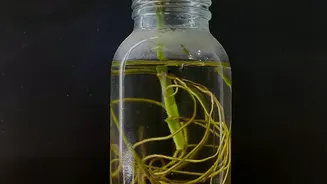
Of course, there are times when the container size is genuinely the problem. A plant that is "root-bound" has completely filled its pot with roots, leaving little room for soil. You can identify this if you see a dense network of roots circling the root ball or growing out of the drainage holes. A root-bound plant often dries out extremely quickly after watering and may become top-heavy and unstable. In these cases, moving up to a new pot that is just one to two inches wider in diameter is the correct solution. Repotting into a container that is too large can also cause issues, as the excess soil will hold too much moisture and can lead to root rot—bringing you right back to a drainage problem. Most houseplants only need to be repotted every one to three years, so it's not a frequent necessity.