



A Tradition Rooted in Belief
The practice of pre-festive cleaning, particularly for major festivals like Diwali, is deeply embedded in cultural and spiritual beliefs. It is widely believed that Goddess Lakshmi, the purveyor of wealth and prosperity, only graces homes that are clean and pure.
This transforms the act of scrubbing and sorting from a mere chore into a sacred act of preparation, a way of making the home a worthy vessel for divine blessings. The kitchen, considered the heart of the home and the seat of abundance, receives special attention. Cleaning it is a symbolic gesture to purify the space where nourishment is created, ensuring the festive period begins with positive energy and grace.
Making Way for the Culinary Marathon
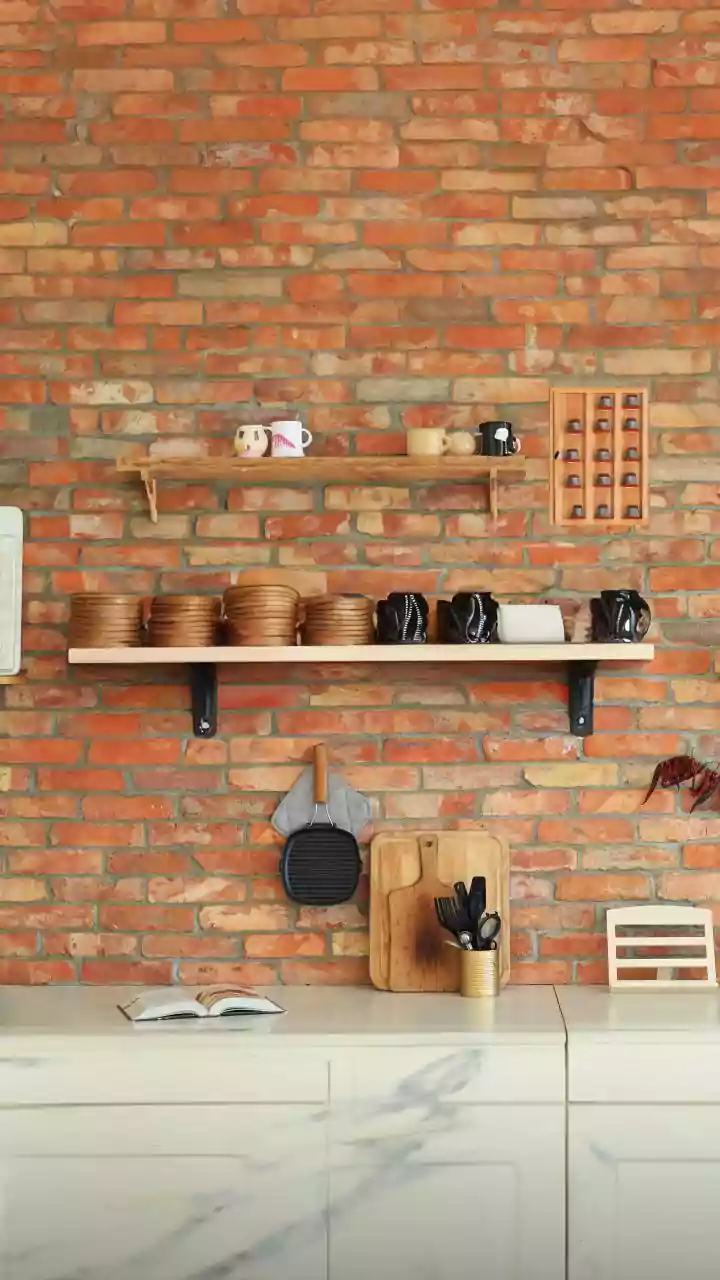
Beyond the spiritual significance lies a powerful practical driver: the sheer scale of festive cooking. Indian festivals are synonymous with feasting. Kitchens become bustling factories churning out elaborate meals, sweets, and snacks for family and guests. Decluttering is a strategic necessity. A cleared countertop provides space for chopping mountains of vegetables and rolling out dough for puris and mathris. An organised pantry means you can find the cardamom when you need it, not after the kheer has already been served. This process is about creating an efficient workflow, where every spice, utensil, and appliance is easily accessible, preventing chaos during the peak cooking frenzy.
The Great Pantry and Utensil Reset
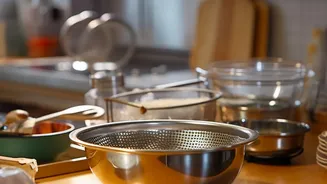
Pre-festive decluttering is the perfect opportunity for a complete inventory check. This is the time when old, expired spices are discarded and restocked with fresh, aromatic ones. Bags of flour, lentils, and rice are checked and replenished. It also involves taking stock of utensils. The special serving dishes, the large kadai for deep frying, and the shiny thalis that are reserved for special occasions are brought out, cleaned, and polished. Any broken or chipped items that are no longer useful are discarded. This 'great reset' ensures that the kitchen is not only clean but also fully equipped for the culinary demands of the days ahead.
A Psychological Fresh Start
The act of cleaning and organising has profound psychological benefits. Transforming a cluttered space into an orderly one provides a tangible sense of accomplishment and control. Many people report a feeling of mental clarity and renewed optimism after a thorough home cleaning. It’s a physical manifestation of “wiping the slate clean” and letting go of the old to make way for the new. This ritual allows households to shed the stresses of the past year and prepare their minds, not just their homes, for the joy and positivity of the upcoming celebrations. It’s an act of self-care disguised as a household chore.
Modern Trends Meet Timeless Traditions
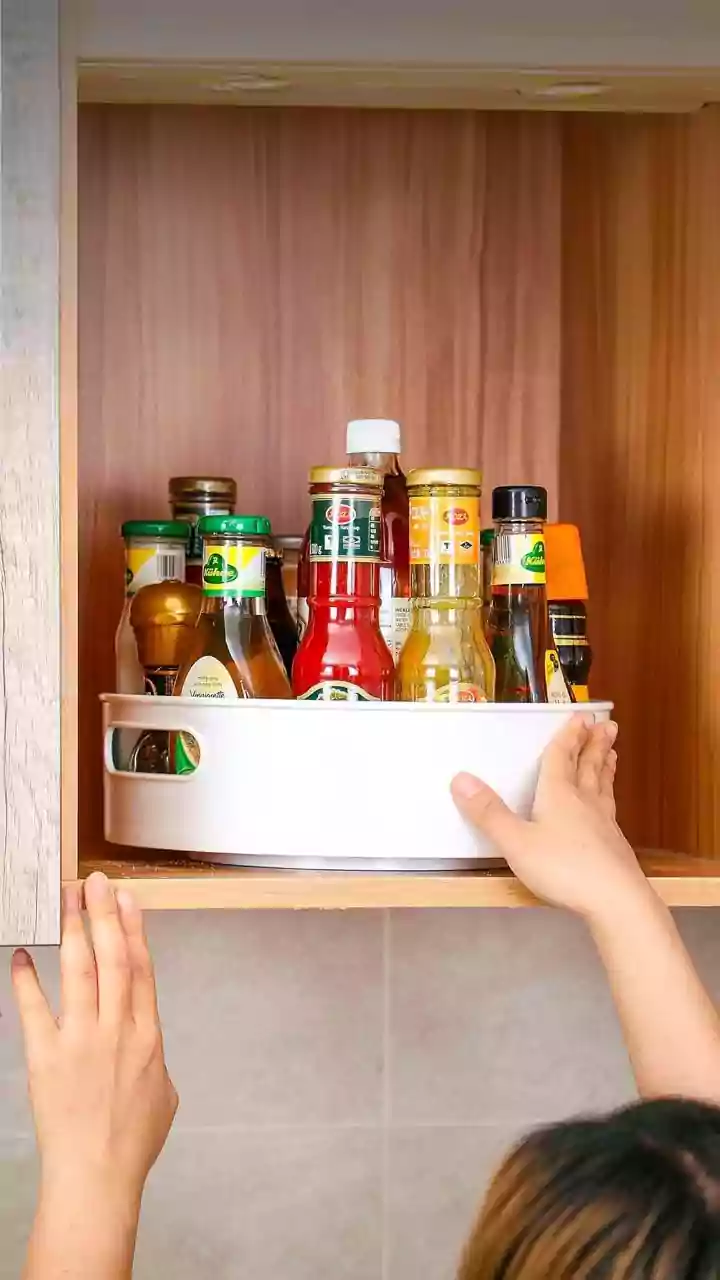
While the tradition of ‘Diwali Safai’ is age-old, it is constantly evolving with modern influences. Today’s households are incorporating contemporary organizing principles, inspired by global trends. This includes using clear, stackable containers for pantry goods, drawer dividers for utensils, and smart storage solutions to maximise space in smaller urban kitchens. Families often adopt a methodical, room-by-room or zone-by-zone approach to make the task less overwhelming. This fusion of timeless tradition with modern efficiency ensures that the spirit of the pre-festive clean remains strong, even as the methods adapt to contemporary lifestyles.