

The Winter Price Pinch
During the colder months, the supply chain for fresh produce often gets disrupted. Unseasonal rains or colder temperatures in growing regions can lead to smaller harvests and higher transportation costs. This directly impacts the price you pay at the market
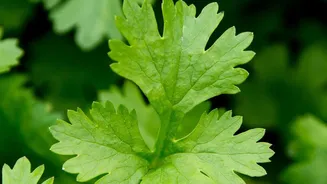
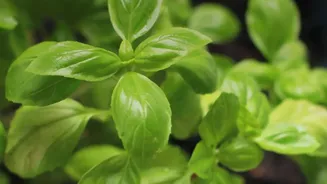
for staples like coriander (dhaniya), mint (pudina), and holy basil (tulsi). You might find yourself paying a premium for herbs that are less than fresh, having travelled long distances. A simple home solution sidesteps this entire issue, ensuring you have a steady supply without the fluctuating market prices.
Your Own Fresh, Organic Supply
The most significant advantage of a windowsill garden is access to ultimate freshness. Store-bought herbs often wilt within a day or two, leading to waste. When you grow your own, you snip off exactly what you need, minutes before you cook. This means more flavour and more nutrients in your food. Homegrown herbs are also inherently organic, as you control the soil, water, and pest control, ensuring no harmful pesticides make it to your plate. This constant availability not only saves money but also reduces food waste, as you'll no longer throw away half-used, forgotten bunches of herbs from the fridge.
Getting Started Is Surprisingly Affordable
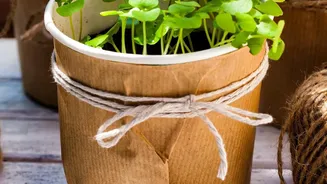
Setting up a windowsill herb garden doesn't require a large investment. You can start for as little as ₹100-₹200. Instead of buying fancy pots, you can repurpose old plastic bottles, takeaway containers, or buckets. All they need are a few drainage holes at the bottom. A small bag of potting mix and seeds for coriander or cuttings for mint are all you need to begin. This small, one-time cost can provide you with a continuous harvest for months, quickly paying for itself when compared to weekly herb purchases.
How to Grow Coriander (Dhaniya)
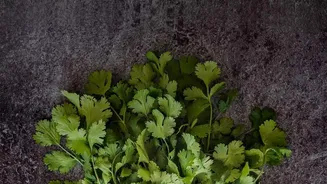
Coriander is a cool-weather herb, making it ideal for an indoor winter garden. To start, take whole coriander seeds from your kitchen spice box and gently split them into two halves. You can do this by rubbing them lightly. Sow these seeds about a centimetre deep in a pot with well-draining soil. Place the pot on a cool windowsill that receives around 4-6 hours of sunlight. Keep the soil consistently moist but not waterlogged. You should see sprouts in about a week or two, and you can start harvesting leaves once the plant is a few inches tall. For a continuous supply, sow a new batch of seeds every few weeks.
Mastering Mint (Pudina)
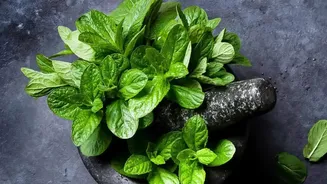
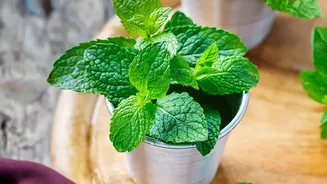
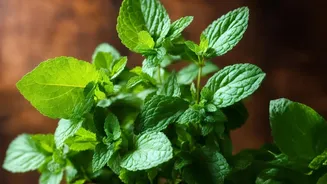
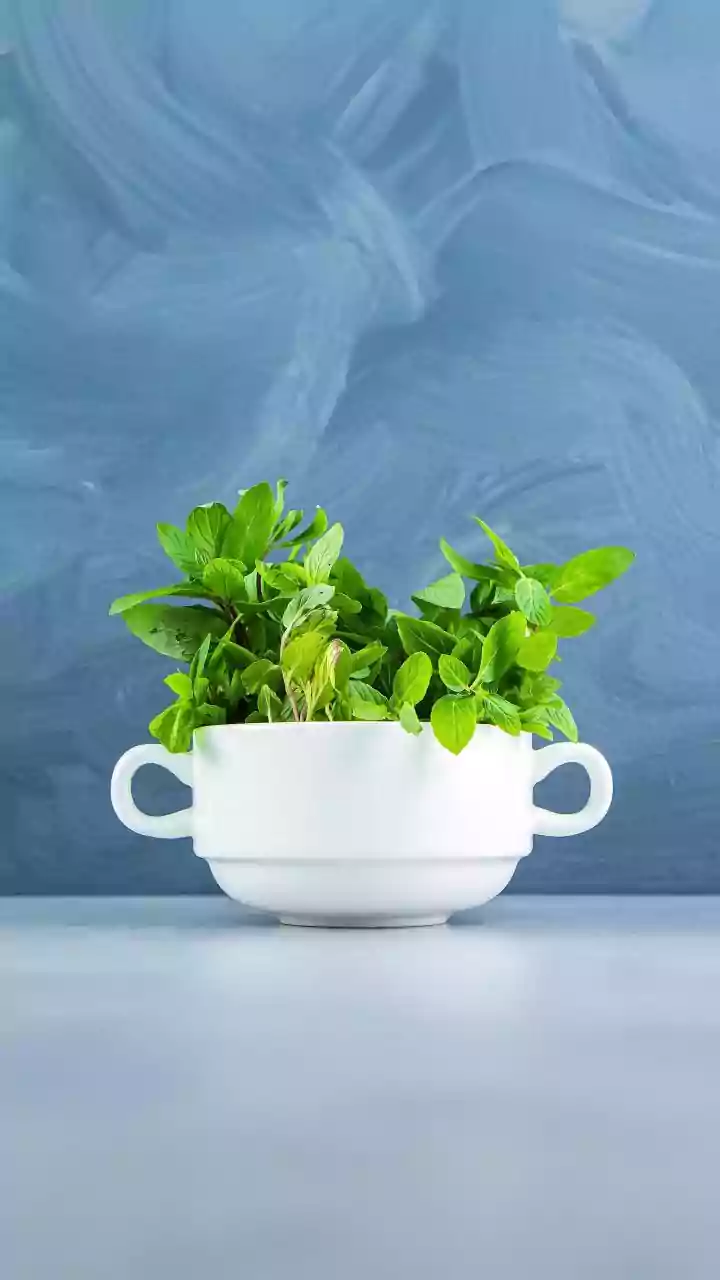
Mint is one of the easiest herbs to grow and is best propagated from cuttings. Simply take a few healthy stems from a bunch of mint you've purchased. Snip a 4-inch piece just below a leaf node. Remove the lower leaves and place the stems in a glass of water. In about a week, you'll see small white roots appear. Once the roots are a bit developed, you can plant them in a pot with soil. Mint loves moisture and some sunlight. It grows vigorously, so one or two pots are usually enough to supply a whole family.
Nurturing Holy Basil (Tulsi)
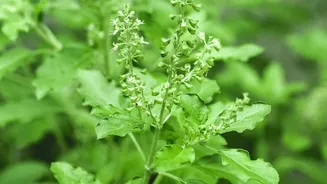
Tulsi is a staple in many Indian homes for its medicinal and spiritual significance. While it loves warmth, it can be successfully grown indoors during winter. The key is to protect it from cold drafts and frost. Place your Tulsi pot near a south-facing window where it can receive at least 4-6 hours of sunlight daily. Be careful with watering; the soil should be allowed to dry out slightly between waterings to prevent root rot. If natural light is very low, you can supplement with a grow light. Bringing Tulsi indoors for the winter ensures you have fresh leaves for your morning chai or for remedies against common colds.
More Than Just Monetary Savings
The benefits extend far beyond your wallet. The flavour of freshly picked herbs is far more potent and aromatic than anything you can buy in a store. It elevates everyday dishes, from simple dals and chutneys to elaborate curries. Furthermore, the simple act of tending to plants can be a relaxing and rewarding hobby. It's a small way to connect with nature, even in a bustling city apartment. Having fresh, fragrant greenery in your kitchen also adds a touch of beauty and vitality to your home.