




Understanding Modular Furniture
At its core, modular furniture is a system of individual, often pre-assembled, units that you can combine in various ways. Think of it like building blocks for your home. Unlike traditional furniture that comes in a fixed size and shape, modular pieces
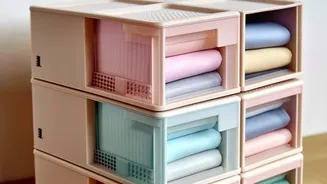
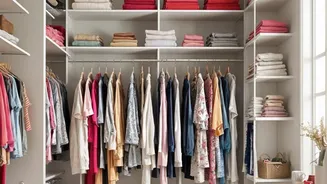
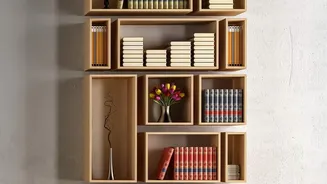
are designed for flexibility. A sofa can be split into separate seats, a shelving unit can grow taller or wider, and a wardrobe can have new drawers added as needed. This approach allows you to create a custom layout that perfectly fits your space and can evolve as your lifestyle changes, offering long-term value and convenience.
Maximising Every Square Metre
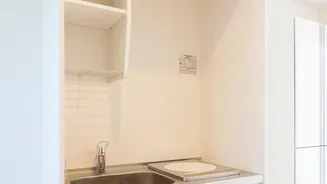
The most significant advantage of modular design in a small apartment is its incredible space efficiency. These pieces are designed to make every inch count. A key strategy is thinking vertically. When floor space is limited, tall bookcases, wall-mounted cabinets, and floor-to-ceiling wardrobes draw the eye upward and keep surfaces clear. Another trick is choosing multi-functional furniture. A sofa that converts into a bed, an ottoman with hidden storage, or a coffee table that extends to become a dining surface are game-changers in compact homes. These hybrid pieces reduce the need for multiple items, freeing up valuable floor space and preventing a cluttered feel.
Creating Zones Without Walls
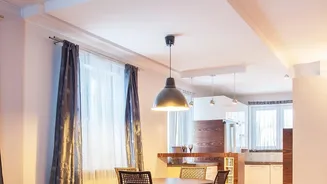
Studio and 1BHK apartments often struggle with a lack of definition between living, sleeping, and working areas. Modular furniture is an elegant solution for creating these distinct zones. An L-shaped modular sofa can create a natural boundary for a living area, separating it from a dining nook. Similarly, an open-backed shelving unit can act as a room divider, providing storage and separation without blocking light or making the space feel closed off. By strategically placing furniture, you can give each part of your home a clear purpose, making the entire apartment feel more organised and intentional.
Furniture That Adapts With You
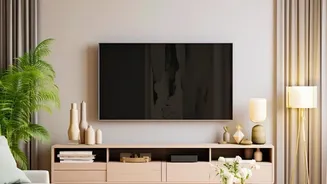
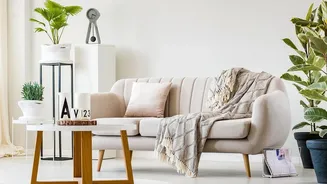
Life isn't static, and your furniture shouldn't be either. Modular pieces are perfect for the modern, evolving household. Perhaps you're working from home more often, or your family is growing. With a modular system, you can reconfigure your setup without needing to buy all-new furniture. That two-seater sofa can have a chaise added, or your small media unit can be expanded with additional cabinets. This adaptability is not only cost-effective but also sustainable, as it encourages you to modify rather than replace. It's a future-proof approach to furnishing that ensures your home keeps up with your life.
How to Plan Your Modular Layout
Getting started with modular furniture requires a bit of planning. First, measure your space carefully, noting the dimensions of the room and any tricky corners or alcoves. Next, assess your primary needs. Do you need more storage, a dedicated workspace, or a flexible seating area for guests? Choose pieces with clean lines and versatile finishes that complement your overall style. Start with an essential anchor piece, like a modular sofa or a storage system, and build from there. Remember, the beauty of modular design is that you don't have to get it all at once; you can add pieces over time as your needs and budget allow.