







The Rise of the Food-First Itinerary
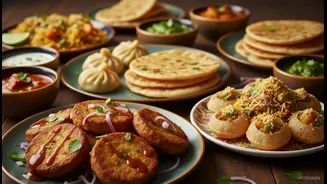
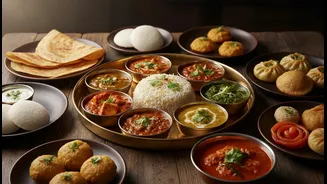
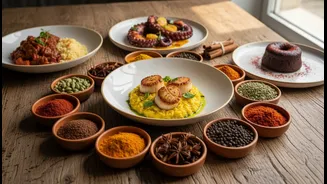
For a growing number of Indian travellers, the question is no longer “What should we see?” but “What should we eat?” This evolution marks the rise of gastronomic tourism, where the main purpose of a trip is to experience a destination's unique food culture.
Recent reports from travel industry insiders show that this is not just a niche trend. According to data from travel platform Pickyourtrail, nearly 40% of Indian travellers now consider food and local cuisine a major factor when planning overseas holidays. Food-led travel requests have surged by 35% year-on-year, signalling a powerful change in priorities. Food has officially moved from being an afterthought or a simple line item in the budget to the central theme of the entire vacation. The souvenir is no longer a miniature Taj Mahal, but a rare spice, a local cheese, or the recipe for the perfect ramen.
What's Driving This Culinary Shift?
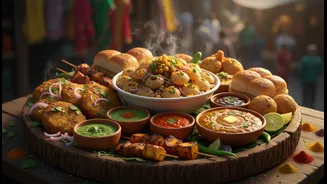
Several factors are converging to put food at the top of the travel agenda. The most visible driver is social media. Platforms like Instagram and YouTube have turned food into a highly visual and shareable experience, with 90% of travellers reporting these platforms influence their destination choice. The quest for the perfect “food reel” is a real motivator, especially for travellers in the 22-40 age bracket who are leading this trend. Beyond the digital world, there's a deeper craving for authenticity. Travellers are seeking more meaningful connections with the places they visit, and food is a universal language. It offers a direct entry point into a region's history, agriculture, and daily life. This desire for genuine experiences is pushing tourists away from generic hotel buffets and towards bustling local markets, hidden street food stalls, and family-run eateries that tell a story with every dish.
More Than Just a Meal
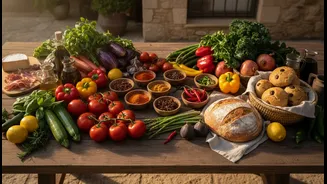
Culinary travel today is far more interactive than simply booking a table at a famous restaurant. It’s about hands-on engagement. Indian tourists are now eagerly signing up for pasta-making classes in Italy, sushi-making workshops in Japan, and guided street-food tours through the vibrant lanes of Vietnam and Thailand. The experience extends to so-called 'grocery tourism', where visiting a local supermarket becomes an adventure in itself, offering insights into what people eat every day. Even family holidays and honeymoons are being redesigned around food. Reports show that up to half of all honeymoon packages now include curated dining experiences like private vineyard lunches or exclusive chef's table dinners. Families, meanwhile, are booking chocolate-making workshops and farm-to-table tours as a way to create shared memories that are both fun and educational.
Hotspots on the Global Menu
So where are these food-focused travellers headed? While the rich culinary diversity of Indian states like Kerala, Rajasthan, and Punjab continues to attract domestic tourists, the international palate is expanding rapidly. Japan and South Korea have seen a nearly 40% spike in interest, fuelled by the global popularity of their cuisines and pop culture. Travellers are planning entire trips around ramen tastings, exploring Seoul's famous food markets, and perfecting the art of Korean BBQ. Perennial European favourites like Italy and Spain remain popular for their rich traditions of pasta, wine, and tapas. In Southeast Asia, the street food cultures of Thailand and Vietnam are a massive draw for those seeking bold flavours and authentic, on-the-go dining. While many travellers, especially those in multi-generational groups, still appreciate the comfort of an Indian meal abroad, the overwhelming preference is now for authentic local cuisine.
The New Pillars of Travel Planning
The travel industry is taking note of this seismic shift. Food is now being recognized as one of the three key pillars of travel planning, standing shoulder-to-shoulder with accommodation and sightseeing. Travel agencies and tour operators are designing specialized culinary packages, and tourism boards are highlighting their gastronomic heritage in marketing campaigns. This trend is not just about indulgence; it's about a more immersive and rewarding way to see the world. It acknowledges that a place's identity is intrinsically linked to its flavours, and that understanding a culture can be as simple—and as profound—as sharing a meal.