

The Living Magic of Fermentation
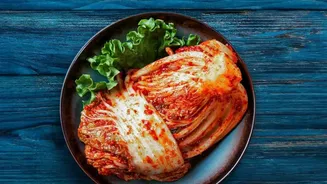
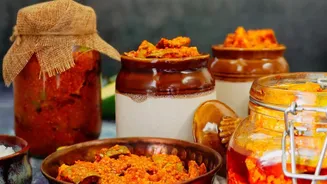
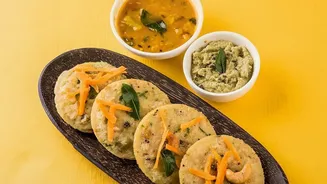
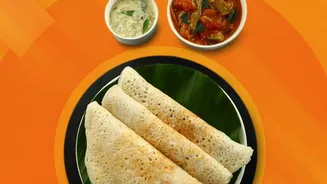
Long before probiotics became a wellness buzzword, Indian kitchens were masters of fermentation. This age-old process, where microorganisms like bacteria and yeast break down starches and sugars, was a cornerstone of daily cooking. Think of the fluffy
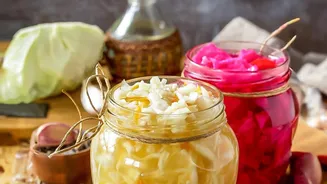
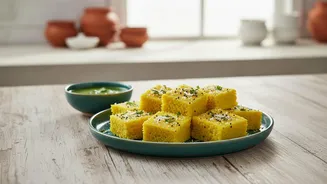
idli, the crisp dosa, or the spongy dhokla; these are not just dishes but the delicious results of a controlled, natural transformation. The batter, typically a mix of rice and lentils, is left to sit for hours, allowing beneficial microbes to work their magic. This process does more than just create a tangy flavour and airy texture; it pre-digests the food, making it easier on the stomach. Fermentation also unlocks a wealth of nutritional benefits, breaking down anti-nutrients and increasing the body's ability to absorb essential minerals like iron and calcium. It enhances B vitamin levels, turning a simple meal into a gut-friendly powerhouse that supports digestion and immunity.
The Humble Genius of One-Pot Meals
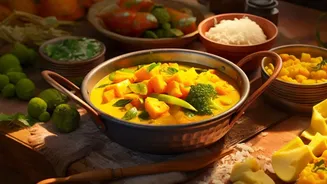
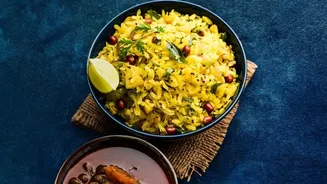
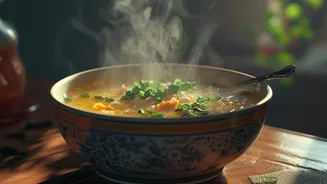
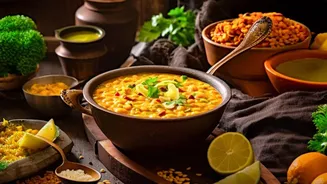
In parallel to the quiet science of fermentation is the practical brilliance of one-pot cooking. Long before it became a trendy hashtag, the concept of cooking an entire meal in a single vessel was a way of life in India. The most iconic example is Khichdi, a comforting mix of rice and lentils simmered with spices like turmeric and ginger. Considered by some to be India's unofficial national dish, Khichdi is the ultimate balanced meal, combining carbohydrates and protein in one easily digestible form. But the tradition extends far beyond Khichdi. From the flavourful Bisi Bele Bath of Karnataka, which combines rice, lentils, vegetables, and a special spice blend, to Bengal's festive Bhoger Khichuri, one-pot cooking is a testament to resourcefulness. These dishes save fuel, reduce cleanup, and most importantly, allow flavours to meld together in a way that separate cooking cannot achieve. They are a perfect union of convenience and culinary depth.
Ancient Wisdom for the Modern Kitchen
So why is there a renewed focus on these seemingly simple, everyday techniques? The answer lies in their alignment with modern health and lifestyle goals. The global conversation around gut health has put a spotlight on fermented foods, with science now validating the benefits that Indian households have known for centuries. The probiotics naturally present in dishes like dahi (yogurt), idli, and dosa are now recognised for their role in maintaining a healthy gut microbiome, which is linked to everything from stronger immunity to better mental health. Similarly, one-pot meals like Khichdi are being celebrated not just for their comfort-food status but for their inherent efficiency and nutritional completeness. In a world of busy schedules and a growing desire for sustainable living, these meals offer a practical solution for wholesome, home-cooked food without the fuss. Chefs and home cooks alike are looking back to these traditions, not as historical relics, but as a blueprint for a healthier, more flavourful future.