






Tackling an Overwhelming Demand
The Mumbai-Ahmedabad corridor is one of the most commercially vital and passenger-dense routes in the country. Connecting India's financial capital with a major industrial and commercial hub in Gujarat, the demand for travel is relentlessly high throughout
the year. This traffic isn't just limited to business travelers; it swells significantly during festive seasons like Diwali and Navratri, holidays, and long weekends, putting immense pressure on the existing railway infrastructure. Regular train services often run at full capacity, with waitlists stretching into the hundreds, forcing many to seek more expensive or less convenient alternatives like buses and flights. This persistent gap between supply and demand is the core problem that Indian Railways continually seeks to manage on this critical route.
The Strategic Role of Special Trains
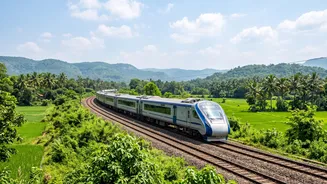
To address this passenger rush, Western Railway has extended the services of its special trains between Mumbai Central and Ahmedabad until late November 2026. Specifically, Train No. 09087 from Mumbai to Ahmedabad and Train No. 09088 from Ahmedabad to Mumbai will continue their weekly runs, providing much-needed capacity. These "special trains," identifiable by train numbers starting with '0', are a flexible tool used by railways to clear extra passenger traffic. They are deployed on high-demand routes during peak seasons and are not part of the regular, year-round timetable. While they sometimes operate with slightly higher "special fares," they provide a crucial service by offering more confirmed berths and preventing the complete breakdown of the reservation system during periods of overwhelming demand.
What It Means for the Everyday Passenger
On a practical level, this extension is a significant boon for travelers. It directly translates to thousands of additional seats being available in the run-up to the busy end-of-year festive and holiday period. For families planning trips, business professionals on last-minute assignments, or students returning home, this means a better chance of securing a confirmed ticket without paying exorbitant prices for flights. The continued service provides reliability and allows for better travel planning on a route where ticket availability is a constant concern. By absorbing some of the excess demand, these special services also help alleviate the pressure on regular trains, potentially making the travel experience slightly more manageable for everyone on the corridor.
A Bridge to a High-Speed Future
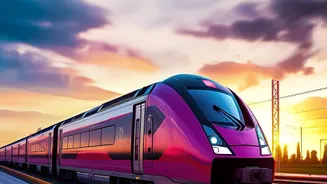
This reliance on special trains is not just a short-term fix; it's a necessary stopgap measure while a more permanent solution is underway. The Mumbai-Ahmedabad corridor is the site of India's first high-speed rail project, popularly known as the bullet train. With construction progressing and the first trial coaches ready, the project promises to slash travel time between the two cities to just over two hours. However, with the full corridor expected to be operational closer to 2029, existing infrastructure must handle the load for several more years. The frequent deployment of special trains underscores the urgent need for the capacity upgrade the bullet train will bring. These services are essentially bridging the gap, managing today's traffic while the infrastructure for tomorrow's high-speed travel is being built.