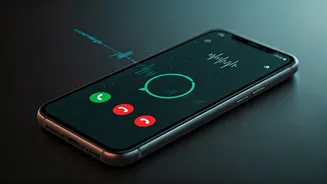










The Callback Confirmation
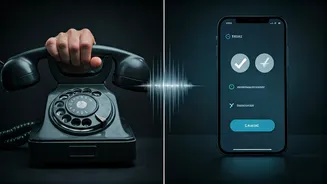
The most powerful defence against a voice-cloning scam is also the simplest: hang up and call back. Scammers rely on creating a bubble of urgency and emotion, keeping you on their line where they control the narrative. A fraudulent call, no matter how
convincing, cannot survive a callback. If you receive a frantic call from a loved one asking for money, stay calm. Tell them, “Let me call you right back on your usual number.” A legitimate family member in trouble will understand. A scammer will create excuses, insisting you stay on the line or claiming the phone they’re calling from is the only one that works. These are major red flags. By hanging up and dialling a number you have saved in your own contacts, you re-establish control. You are initiating a call to a trusted, known contact point, bypassing whatever spoofed or temporary number the scammer is using. This single action defeats the vast majority of these scams instantly. Real emergencies can withstand a 30-second verification.
The 'Out-of-Wallet' Question
Scammers are skilled researchers. Through data breaches and public social media profiles, they can find names, locations, and family connections. An effective verbal check is to ask a question that can’t be answered by googling or hacking an email account. This is often called an “out-of-wallet” question because the answer isn’t in a stolen wallet, either physically or digitally. It relies on shared memories. Ask something only the real person would know. Don't ask for a birthdate or mother’s maiden name; that data is often available online. Instead, ask something personal and specific: “What was the name of our first pet?” or “What’s the silly nickname uncle gave you when you were a kid?” or “Remind me, what was that ridiculous dish we tried on our trip to Goa?” A scammer, relying on a script, will falter. They will try to deflect, increase the pressure, or get angry. A real loved one, even in a stressful situation, can likely answer a simple question from your shared past. The key is to make the question easy for them, but impossible for an outsider.
The Proactive Safe Word
The most secure method requires a little preparation but is nearly foolproof: establish a family safe word. This is a pre-arranged word or phrase, known only to your immediate family, that can be used to verify identity in an emergency. It works for voice scams just as it does in other situations where someone needs to prove they are a trusted messenger. Sit down with your family and choose a word that is easy to remember but not obvious. Avoid common names, pet names, or anything easily guessable. An inside joke or a funny, unique word works best. Instruct every family member that if they ever receive an urgent, unexpected call asking for help or money, they must ask the caller for the safe word. Conversely, if they ever need to make such a call, they should offer the safe word to prove it’s them. If the caller cannot provide the word instantly, it’s a scam. Hang up. This proactive step removes all ambiguity and is your family’s private key, unlocking trust in a world where hearing is no longer believing. A recent survey showed that 47% of Indian adults have encountered AI voice cloning scams, making such preparation essential.