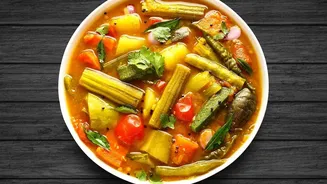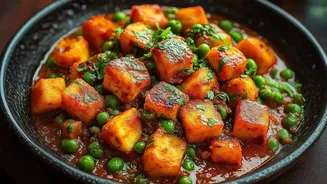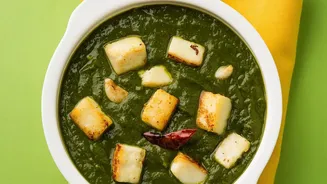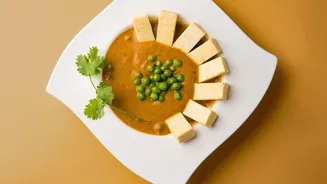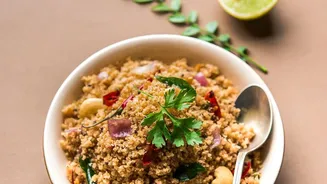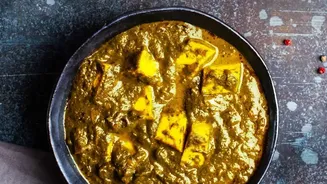



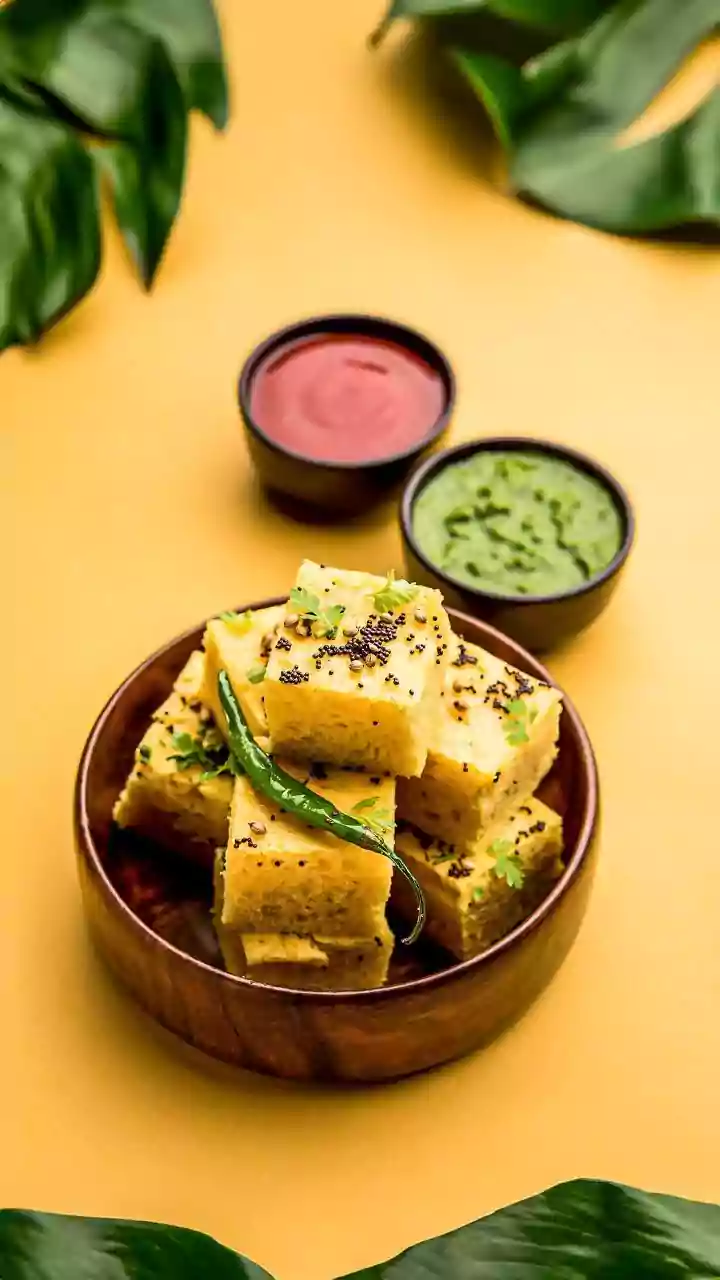

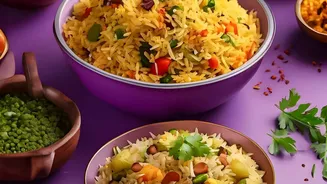


It’s a universally acknowledged truth: leftover curry often tastes better the next day. This isn’t just your imagination; it’s a delicious result of food science. The hours after cooking are when the real magic happens, as chemistry takes over.
The Great Flavour Exchange
When a
curry is first cooked, its many ingredients have distinct, individual flavours. You can taste the sharp bite of ginger, the sweetness of onions, and the heat of chillies as separate notes. The resting period allows for a process food scientists call flavour equilibration or melding. During this time, the complex flavour molecules from dozens of spices, aromatics, and vegetables begin to migrate and intermingle. Think of it as a conversation between ingredients; they stop shouting over each other and start creating a harmonious whole. This slow dance results in a more rounded, cohesive, and complex flavour profile that simply can't be achieved in a freshly cooked dish.
The Science of Spice and Fat
Many of the aromatic compounds that give Indian spices their incredible flavour are fat-soluble, not water-soluble. During cooking, these compounds are released from the spices and dissolve into the ghee or oil. However, this process doesn't stop when the heat is turned off. As the curry cools and rests, these flavour-infused fats continue to disperse throughout the gravy. This ensures that the warm, earthy notes of cumin, the floral hints of coriander, and the pungency of mustard seeds are distributed evenly, making every spoonful a complete sensory experience rather than a random collection of tastes.
Mellowing the Harsh Edges
Certain ingredients, particularly aromatics like garlic, ginger, and onions, as well as acidic elements like tomatoes or tamarind, can have a harsh or aggressive taste right after cooking. Time is the perfect antidote. As the curry rests, these pungent and acidic notes mellow significantly. Chemical reactions continue to occur slowly at cooler temperatures, breaking down the sharp-tasting compounds and allowing the inherent sweetness of ingredients like onions to come forward. The fiery heat from chillies also integrates more smoothly into the background instead of hitting you upfront, resulting in a balanced warmth rather than a sharp burn.
Texture and Tenderness Improve Too
The resting period isn't just about flavour; it also has a profound effect on texture. For meat-based curries, the muscle fibres, which tighten during cooking, begin to relax as they cool. This allows them to reabsorb the flavourful juices of the surrounding gravy, making the meat more tender and succulent. Similarly, ingredients like potatoes, lentils, and chickpeas act like sponges, soaking up the sauce and becoming infused with flavour to their very core. Furthermore, starches released from ingredients and gelatin from meat bones continue to work, thickening the gravy and giving it a richer, more velvety consistency upon reheating.