



Defining the Styles: Soft vs. Bold
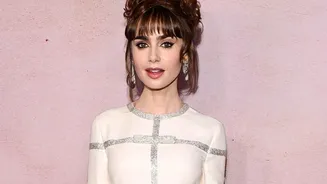
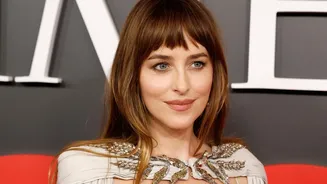
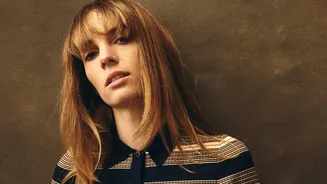
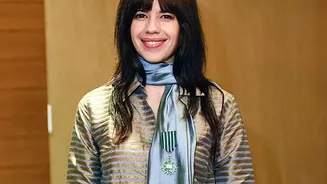
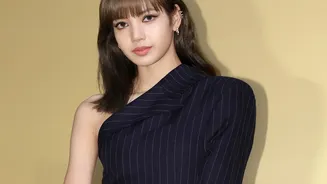
Before diving into versatility, it’s important to understand what makes each style unique. Soft layered bangs are longer, often grazing the eyebrows or cheekbones, and feature feathery, textured ends. They are designed to blend seamlessly into the rest
of your hair, creating a soft, flowing look. Styles like curtain bangs, which part in the middle and sweep outward, fall under this category. In contrast, micro-bangs (also called baby bangs) are cut much shorter, sitting high on the forehead well above the eyebrows. They are intentionally bold and graphic, creating a strong, fashion-forward statement rather than a soft frame. The look is precise and architectural, immediately drawing attention to the eyes and brows.
The Flexibility Factor
The core difference lies in styling options. Soft layered bangs offer immense flexibility. Because they are longer and blended, they can be styled in numerous ways: swept to the side for a classic look, parted down the middle for a trendy curtain effect, or even pinned back discreetly when you don't want them on display. This adaptability makes them feel less like a permanent commitment and more like a versatile accessory. Micro-bangs, by their very nature, are a fixed statement. Their ultra-short length means they can't be swept to the side or easily hidden. While you can play with texture—making them piecey or sleek—you can't change their fundamental shape or position. They are always present and always bold, which is part of their appeal but also their primary limitation.
Face Shape and Hair Texture
A hairstyle's success often depends on how well it suits your features. Soft layered bangs are famously forgiving and tend to flatter most face shapes. For round or square faces, the soft, sweeping lines of curtain bangs can add length and soften strong jawlines. For heart-shaped faces, they balance a wider forehead. Micro-bangs can be trickier. While they can look stunning on oval and heart-shaped faces, they can sometimes emphasize the width of a round face or the sharpness of a square jawline. Hair texture also plays a significant role. Layered bangs work well with straight, wavy, and even curly hair, as the layers add movement. Micro-bangs require more consideration for curly hair, as shrinkage can dramatically alter the length, and they often demand smoother textures to maintain their sharp, graphic line.
Upkeep and the Grow-Out Phase
Maintenance is another crucial point of comparison. To maintain their precise, high-fashion look, micro-bangs require very frequent trims, often every three to four weeks. Any amount of growth is immediately noticeable and can throw off the entire style. Layered bangs are far more low-maintenance in this regard. Because they are designed to blend in, they grow out much more gracefully. Trims can be stretched to every six weeks or longer, and the growing-out process is less awkward; they simply evolve into longer, face-framing layers. The grow-out for micro-bangs, however, can be notoriously difficult, involving a lengthy and often frustrating phase before they're long enough to be styled differently.
The Aesthetic and Overall Vibe
Ultimately, the choice comes down to the aesthetic you want to project. Soft layered bangs create a relaxed, romantic, and effortlessly chic vibe. They are approachable and versatile, fitting just as well with a casual weekend look as they do with something more polished. Micro-bangs communicate a different message entirely. They are edgy, artistic, and confident. It’s a look that says you are bold and intentional with your style choices. It’s less about soft framing and more about making a strong, memorable impact.