







The Quest for Authenticity
Commercialised mountain resorts, from Shimla to Manali, were once the default getaway. Today, they are often characterised by traffic jams, inflated prices, and a tourist experience that can feel manufactured. For a growing number of backpackers, the goal
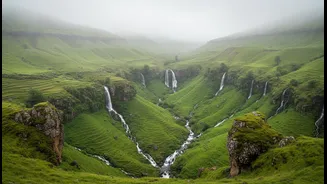
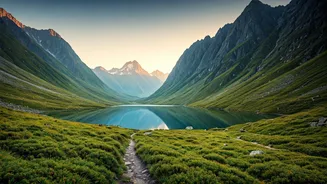
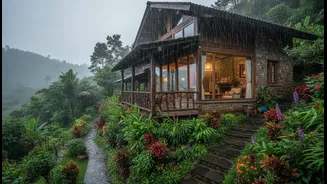
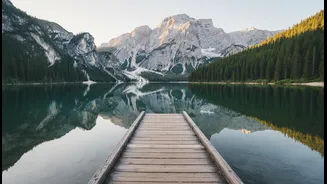
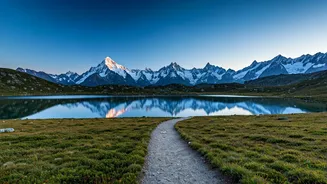
is no longer just to see a place, but to experience it authentically. This means seeking genuine interactions and cultural immersion, which are more readily found on the quieter trails leading to a remote Himalayan lake or in a village homestay. The preference is shifting from a curated vacation to a meaningful journey, where the experience isn't commodified for mass consumption.
The Economics of the Open Road
A major driver for this trend is simple economics. Independent backpacking is often rooted in budget-conscious travel. In heavily commercialised hill stations, the cost of accommodation, food, and activities can quickly escalate. Corporate hotels and tourist-trap cafes dominate the landscape. In contrast, offbeat lake trails offer a more affordable alternative. Backpackers can often stay in budget-friendly hostels or local homestays, eat at small dhabas, and spend their days hiking, with nature providing the entertainment for free. This allows them to travel for longer and support the local economy more directly.
Solitude Over Social Scenes
The very definition of a holiday is changing. For many living in crowded cities, the last thing they want is to trade one crowd for another. Commercial mountain towns can be noisy and chaotic, especially during peak season. Offbeat travel offers an escape from this sensory overload. The appeal of a remote lake trail lies in its tranquility. It’s an opportunity for solitude, self-reflection, and a deep connection with nature—qualities increasingly sought by a generation accustomed to constant digital noise. The journey becomes less about social validation and more about personal peace.
Adventure in the Unpredictable
There's a certain thrill that comes with navigating the unknown. For the independent backpacker, the journey is as important as the destination. Reaching a remote lake like Bhrigu or Roopkund involves a trek, navigating local transport, and a degree of unpredictability that commercial resorts are designed to eliminate. This element of adventure is a core value. While a resort offers comfort and predictability, an offbeat trail provides challenges that build resilience, confidence, and stories worth telling. It's the difference between a passive holiday and an active, engaging adventure.
A Lighter Footprint
There is a growing consciousness among young travellers about their environmental and social impact. Overtourism in popular hill stations has led to significant strain on local infrastructure, from waste management crises to water shortages and deforestation. Many backpackers are now actively choosing destinations that are less burdened. By opting for offbeat trails, they can disperse the economic benefits of tourism to more remote communities and minimise the negative environmental effects associated with mass travel, aligning their journey with principles of sustainable and responsible tourism.