







The Science of Natural Air-Conditioning
Plants are nature's own air coolers, employing a two-pronged strategy to beat the heat. The most obvious is providing shade, which can dramatically lower surface temperatures of floors and walls that would otherwise absorb and radiate heat. But the real
magic happens through a process called evapotranspiration. Plants draw water from the soil through their roots and release it as cool water vapour through tiny pores in their leaves. This process actively pulls heat from the surrounding air, creating a microclimate that can feel several degrees cooler. The more leaf surface area you have, the greater the cooling effect.
Climbers and Creepers: Your First Line of Defence
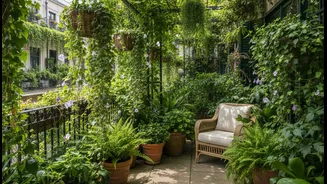
To create an effective heat barrier, start with climbers and creepers. These plants grow vertically, forming a living curtain that shields your walls and railings from the harsh sun. For the Indian climate, fast-growing and hardy varieties are ideal. Bougainvillea is a classic choice, exploding in vibrant colour while thriving in full sun with minimal water. Rangoon Creeper (Madhumalti) is another favourite, known for its fragrant, colour-changing flowers and vigorous growth. For quick coverage, consider the Railway Creeper, which can rapidly create a dense green screen. Passionflower and Betel Leaf vines are also excellent choices for creating dense foliage and providing natural shade on pergolas and grilles.
Potted Plants: Creating a Cool Microclimate
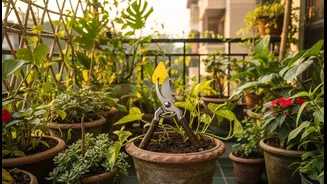
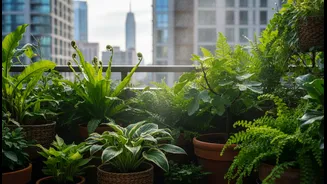
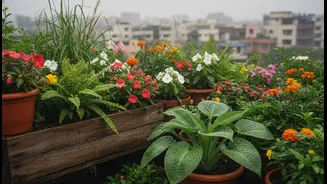
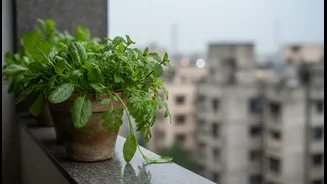
While climbers block the sun, a collection of potted plants helps cool the air at ground level. The key is to group them. When placed close together, plants create a humid, cool microclimate as they transpire, effectively protecting each other from the heat. Heat-tolerant plants are a must for sunny terraces. The Areca Palm adds a lush, tropical feel and is great for creating pockets of greenery. Hibiscus is another sun-lover that adds beautiful blooms to your space. For fragrance and utility, consider growing Mogra (Jasmine) and Tulsi (Holy Basil); Tulsi, in particular, is often planted in clusters to enhance its cooling effect. Other hardy options that withstand Indian summers include Spider Plants and Ferns, which release plenty of moisture into the air.
Vertical Gardens: The Smart Solution for Small Spaces
If you have limited floor space, think vertically. A vertical garden, or living wall, allows you to maximise your green cover without cluttering your balcony. These systems are perfect for growing a high density of plants, which enhances the cooling effect through combined evapotranspiration. They act as a layer of natural insulation for the wall they cover, helping to regulate the temperature of your home. Lightweight and easy-to-care-for plants like Spider Plants, Money Plants (Pothos), and various succulents are excellent choices for vertical setups. They not only cool the air but also purify it by absorbing pollutants, turning a bare wall into a functional, beautiful feature.
Supporting Your Green Oasis
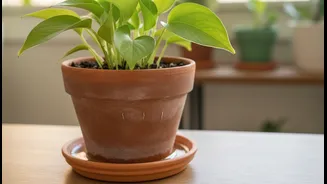
The right plants are the foundation, but a few other elements can boost their cooling power. Use light-coloured pots, as dark ones absorb more heat. Earthen or terracotta pots are a great choice as they are porous and help keep the roots cool. Mulching the topsoil in your pots with a layer of cocopeat or dry leaves can reduce water evaporation, keeping the soil moist and cool for longer. Ensure good drainage to prevent waterlogging, especially during monsoons. Proper and consistent watering, preferably early in the morning, is crucial. Dry plants can't transpire effectively, which diminishes their cooling ability.