




Sesame Oil’s Hidden Gems: Sesamol and Sesamolin
At the heart of sesame oil’s celebrated health benefits are powerful lignans, a type of antioxidant. Among the most important are sesamol and sesamolin. These compounds are not just buzzwords; they are bioactive warriors known for their impressive properties.
Studies have shown they possess anti-inflammatory and antioxidant effects, which help protect the body's cells from damage caused by free radicals. This cellular protection is linked to reducing the risk of various chronic conditions and supporting overall wellness. Sesamolin, in particular, has been noted for its potential anti-inflammatory and antihypertensive effects. Together with sesamin, another key lignan, these antioxidants are what make sesame oil a staple in traditional medicine systems like Ayurveda, where it's valued for everything from heart health to skin vitality.
The Gentle Art of Wooden-Ghani Milling
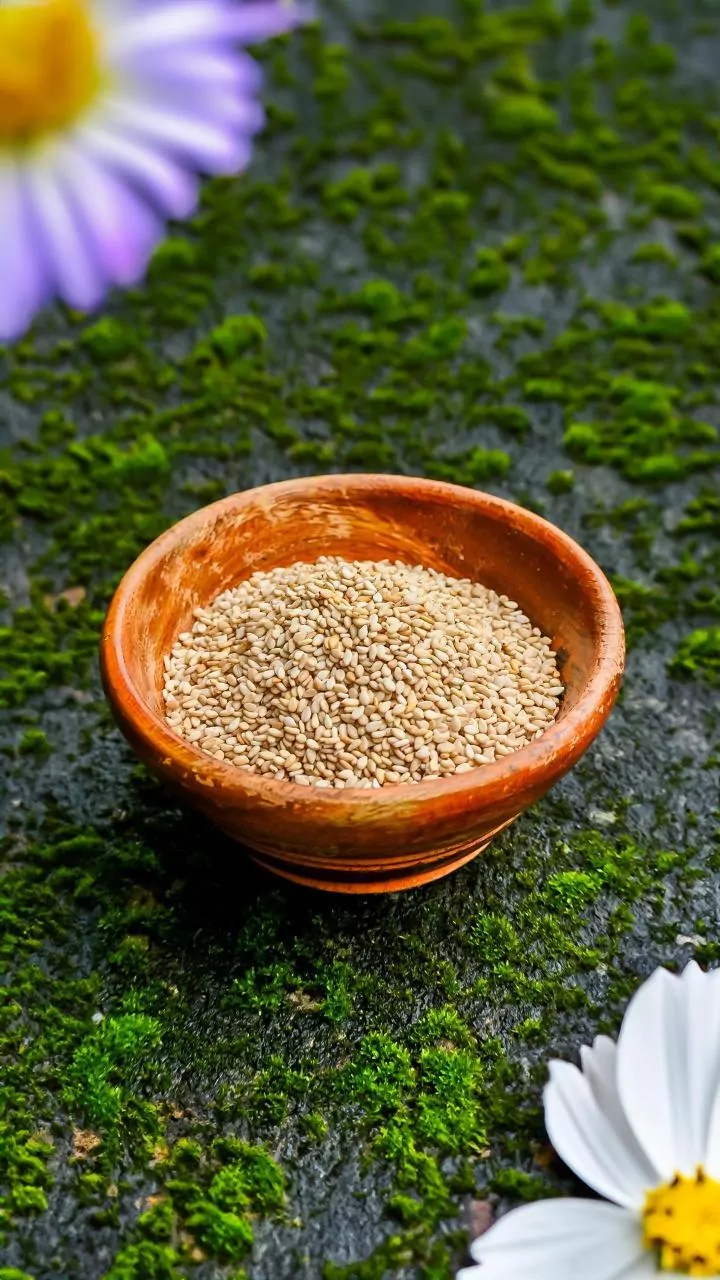
The secret to preserving these delicate antioxidants lies in the extraction method. Traditional wooden-ghani milling, known as 'chekku' or 'kolhu' in different parts of India, is an age-old technique that dates back millennia. The process involves crushing sesame seeds in a large wooden mortar with a rotating wooden pestle. The key here is the material and the speed. The wooden press rotates very slowly, ensuring that minimal friction is generated. Because wood is a poor conductor of heat, it naturally absorbs what little friction heat is produced, keeping the overall temperature of the oil below 40-45°C. This is true cold-pressing, a stark contrast to modern industrial methods. No chemical solvents, high temperatures, or refining agents are used, resulting in a pure, unadulterated oil that is rich in its natural components.
Why Low Temperature is So Crucial
Heat is the enemy of nutrition when it comes to edible oils. Many beneficial compounds, including vitamins and antioxidants like sesamol and sesamolin, are heat-sensitive. When oil is exposed to high temperatures, these molecules can degrade or be destroyed entirely. The low-temperature environment of the wooden ghani ensures that these valuable lignans remain intact, passing from the seed to the oil you consume. Research has shown that as extraction or roasting temperatures increase, the levels of sesamin and sesamolin in the resulting oil can gradually decline. By keeping the process cool, the wooden ghani effectively locks in the full antioxidant potential of the sesame seeds, delivering a nutritionally superior product.
Modern Refining: A Trade-Off for Nutrition
In contrast, most commercially available refined oils are produced with a focus on yield, speed, and long shelf life, not nutritional integrity. Industrial extraction often uses high-heat expeller presses or chemical solvents like hexane to extract as much oil as possible. The crude oil is then subjected to further high-temperature processes, including bleaching to remove color and deodorizing to create a neutral taste and smell. These steps, which can involve temperatures exceeding 200°C, effectively strip the oil of its natural goodness, destroying the very antioxidants—sesamol and sesamolin—that make it so healthy. What's left is often a nutritionally depleted product that may even require synthetic preservatives to compensate for the natural ones that were lost.
Beyond Antioxidants: The Full-Bodied Benefit
Preserving sesamol and sesamolin is just one part of the story. The gentle ghani method also helps retain the oil's natural flavour, nutty aroma, and a host of other micronutrients, including Vitamin E and healthy fatty acids. This makes wood-pressed sesame oil not just a healthier choice but a more flavourful one, adding a distinct, aromatic character to dishes that refined oils simply cannot match. From its use in Ayurvedic oil pulling for oral health to its role in South Indian 'tadkas', the richness of traditionally pressed oil enhances both the culinary experience and the wellness benefits, proving that sometimes the old ways are indeed the best.