







The Impostor: What Is Fungal Acne?
First things first: fungal acne isn't actually acne. Its proper medical name is Malassezia folliculitis or Pityrosporum folliculitis. Unlike traditional acne (acne vulgaris), which is caused by bacteria clogging pores, fungal acne is an infection of the
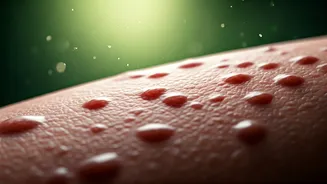
hair follicles caused by an overgrowth of a yeast called Malassezia. This yeast naturally lives on everyone's skin, usually without causing any trouble. However, under certain conditions, its population can explode, leading to inflammation and the characteristic breakout of small, often itchy, uniform bumps. These bumps frequently appear in clusters on the chest, back, shoulders, and forehead—areas where sweat and oil tend to accumulate.
Why The Monsoon Makes It Worse
If you've noticed these bumps flare up as soon as the rains begin, you're not imagining it. The high humidity of the Indian monsoon creates the perfect storm for Malassezia yeast to thrive. This yeast feeds on the oils (sebum) on our skin. When the air is heavy with moisture, sweat doesn't evaporate easily, creating a warm, damp environment that this yeast loves. This, combined with increased oil production and clogged pores, turns your skin into an ideal breeding ground. Habits common during the rainy season, like wearing damp clothes, synthetic fabrics that trap moisture, or heavy, occlusive skincare products, can further worsen the condition by trapping heat and sweat against the skin.
Fungal Acne vs. Regular Acne
One of the main reasons fungal acne is so persistent is that it's often mistaken for regular bacterial acne and treated incorrectly. Using standard acne treatments can sometimes even make it worse. There are a few key ways to tell them apart. Bacterial acne typically presents a mix of blackheads, whiteheads, and inflamed pimples of various sizes, which can be painful. Fungal acne, on the other hand, appears as clusters of small, uniform bumps, all roughly the same size, and they are characteristically itchy. While regular acne can feel tender or painful, itching is the hallmark symptom of a Malassezia overgrowth.
Your Anti-Fungal Action Plan
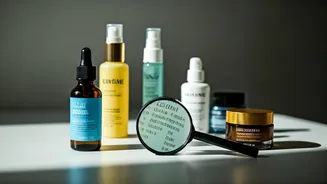
The good news is that managing fungal acne is straightforward once you know what you're dealing with. The key is to reduce the yeast on the skin. A surprisingly effective and widely recommended trick is to use an anti-dandruff shampoo as a body or face wash. Look for shampoos containing antifungal ingredients like ketoconazole or selenium sulfide. Lather the product on the affected areas and let it sit for five to ten minutes before rinsing. Adjust your skincare routine by swapping heavy, oil-based creams for lightweight, gel-based, or oil-free moisturizers. Look for products labelled "non-comedogenic" and consider those with ingredients like hyaluronic acid or glycerin for hydration without feeding the yeast. Lastly, simple lifestyle changes like showering immediately after sweating, wearing loose, breathable cotton clothing, and changing out of damp clothes quickly can make a huge difference.
When To See a Dermatologist
While at-home care can be very effective, it's wise to consult a dermatologist if the condition doesn't improve after a few weeks of consistent treatment, or if the diagnosis is unclear. It can be difficult to distinguish between fungal and bacterial acne, and sometimes both can occur at the same time. A professional can provide an accurate diagnosis, sometimes through a skin scraping or swab, and prescribe stronger treatments if needed. These may include prescription-strength topical creams or oral antifungal medications like fluconazole or itraconazole to effectively clear the infection from within the hair follicles.